Easy Teriyaki Sauce
Store-bought teriyaki sauce is too sweet, too salty, and has a vague “canned” aftertaste. Easy teriyaki sauce takes ten minutes to make, tastes exponentially better, and you control every ingredient. Soy sauce umami plus mirin sweetness plus ginger aroma equals real Japanese teriyaki flavor — not the American-Chinese “sugar water with soy sauce” version.
This sauce is the master recipe for teriyaki chicken, teriyaki salmon, teriyaki tofu, and teriyaki meatballs. Make a batch, keep it in the fridge, and brush it on anything. The sauce thickens as it cooks and forms that signature glossy coating that makes teriyaki dishes look as good as they taste.
Why You’ll Love This Recipe
- Ten minutes, one pan. All the ingredients go into a small saucepan and simmer for 5 minutes until thickened. No fermentation, no waiting, no special equipment. A small milk pan and a whisk are all you need.
- Authentic Japanese teriyaki flavor. Soy sauce savoriness plus mirin sweetness plus sugar caramelization plus ginger aroma equals real teriyaki. Not the version that is only sweet and salty — this has layers and depth.
- One sauce, ten dishes. Brush it on chicken thighs for teriyaki chicken, drizzle it over salmon for teriyaki salmon, toss it with tofu for teriyaki tofu, use it as a dipping sauce for meatballs. One batch unlocks a dozen meals.
- So much better than store-bought. Store-bought teriyaki sauce is generally too sweet (corn syrup is the first ingredient), too salty, and has a processed aftertaste. This version uses real mirin and soy sauce — the flavor is clean, layered, and genuinely good.
- 1/2 cup low-sodium soy sauce
- 1/4 cup mirin (Japanese sweet cooking wine)
- 1/4 cup sake (or substitute with 2 tablespoons rice vinegar plus 1 tablespoon water)
- 2 tablespoons granulated sugar (or honey)
- 1 teaspoon fresh ginger, minced
- 1 clove garlic, minced
- 1 teaspoon cornstarch plus 2 tablespoons water (optional, for thickening)
Ingredients You’ll Need
Mirin cannot be skipped. Mirin is the soul ingredient of Japanese cooking — it provides a unique sweetness that sits between sugar and wine, and it cannot be replaced by sugar alone. Mirin is available in the Asian food section of most grocery stores. One bottle lasts for months. If you truly cannot find mirin, substitute with 2 tablespoons white wine plus 1 tablespoon sugar — the flavor is close but not identical.
How to Make Easy Teriyaki Sauce
Step 1: Prepare the Protein (Optional, If Making a Complete Dish)
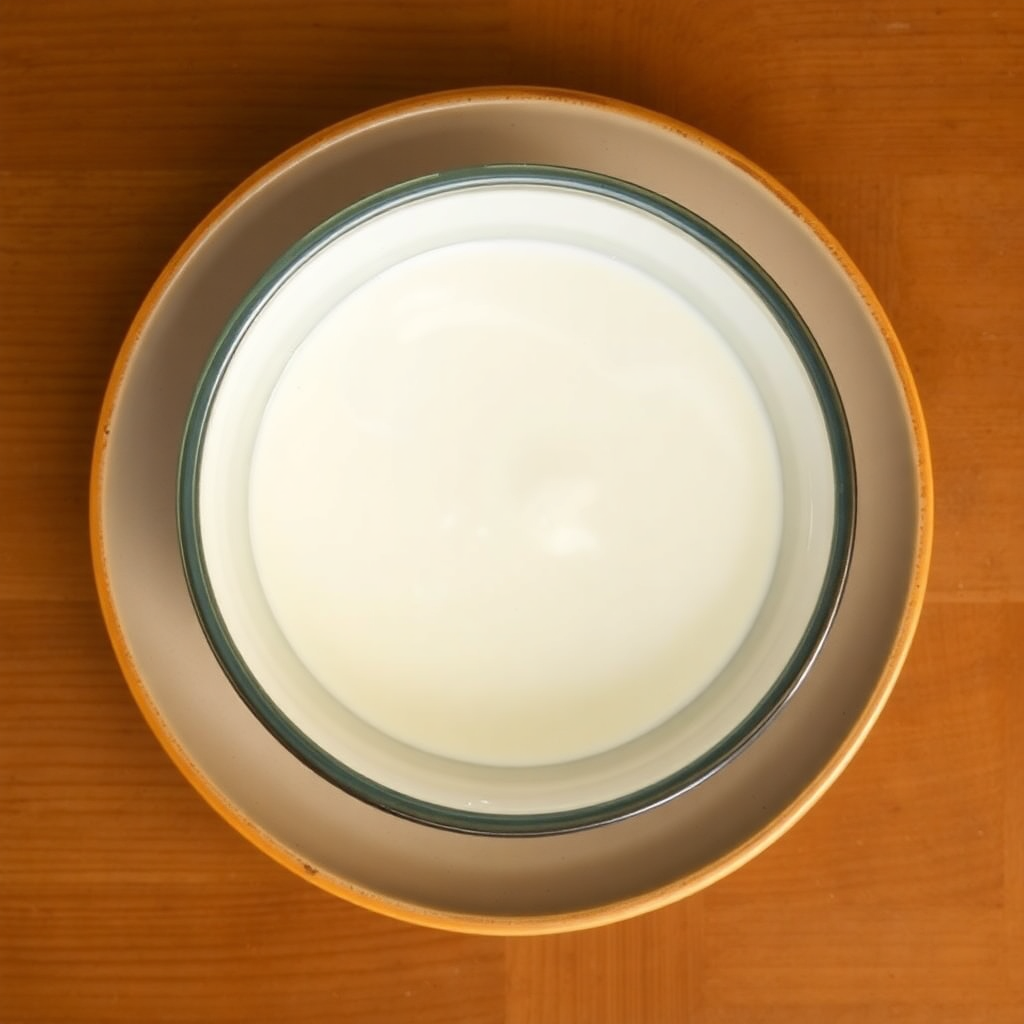
Teriyaki sauce is usually made as part of a complete dish. Start by preparing the protein — slice chicken breast, cube salmon, or cube tofu. If using chicken, sprinkle with a little salt and black pepper and let it sit for 5 minutes. This step is only needed if you are making a complete teriyaki dish, not if you are only making the sauce.
Step 2: Mix the Sauce Base
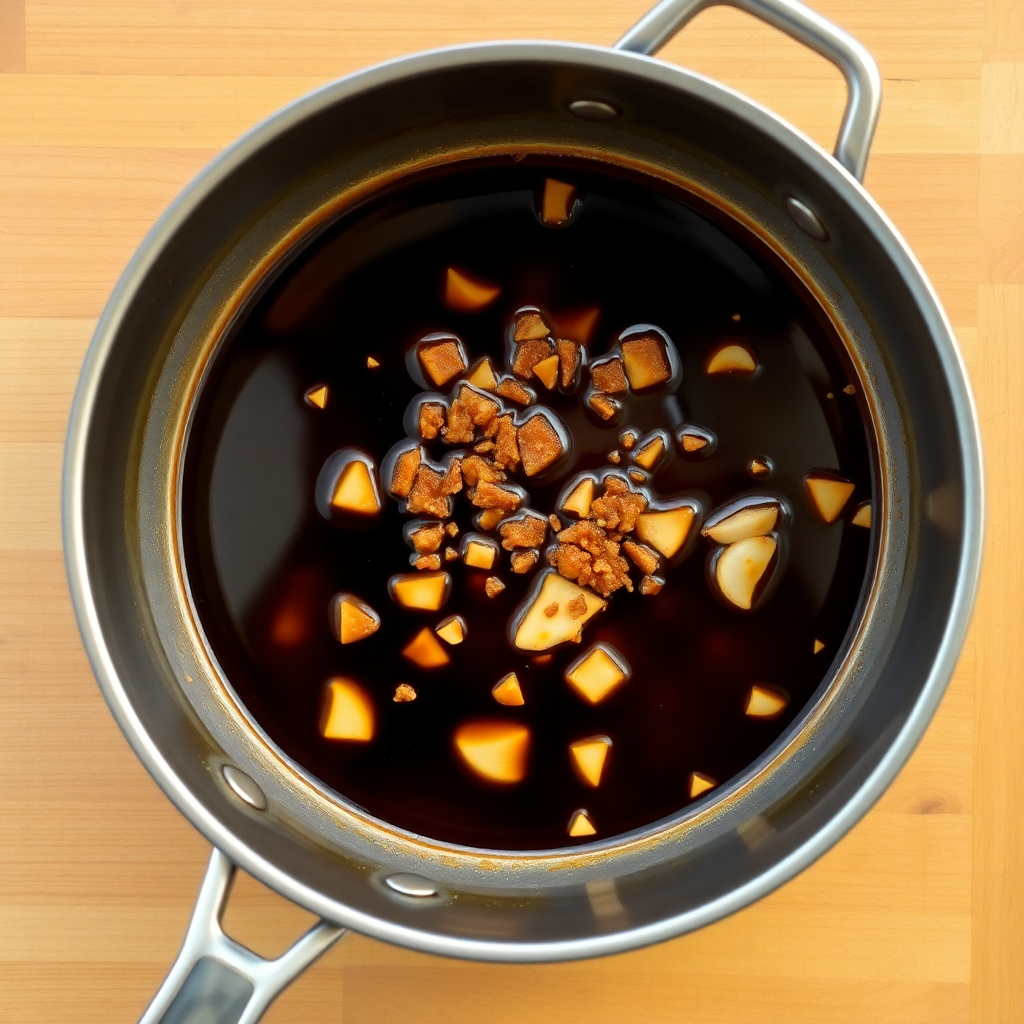
In a small bowl, combine the soy sauce, mirin, sake (or substitute), sugar, ginger, and garlic. Stir until the sugar is completely dissolved. This is the teriyaki base — not cooked yet, just mixed and ready to use. Making the sauce separately first ensures the flavors are evenly distributed before heating.
Step 3: Sear the Protein Until Golden
Heat a little oil in a skillet over medium-high heat. Add the protein and cook until golden brown on both sides — about 3 minutes per side for chicken, 2 minutes per side for salmon, 2 minutes per side for tofu. The goal is to develop a browned crust — the sauce will cling to the crust later instead of sliding off.
Step 4: Add the Sauce and Simmer
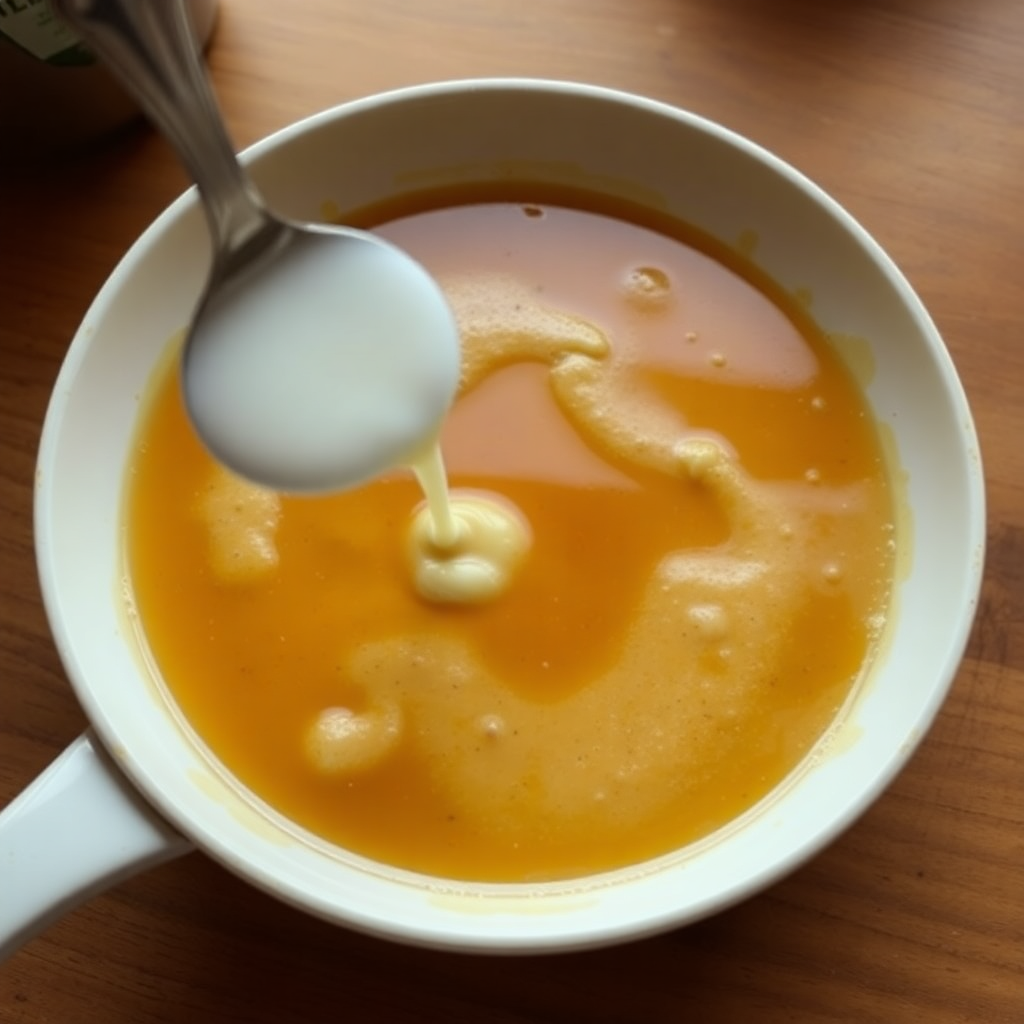
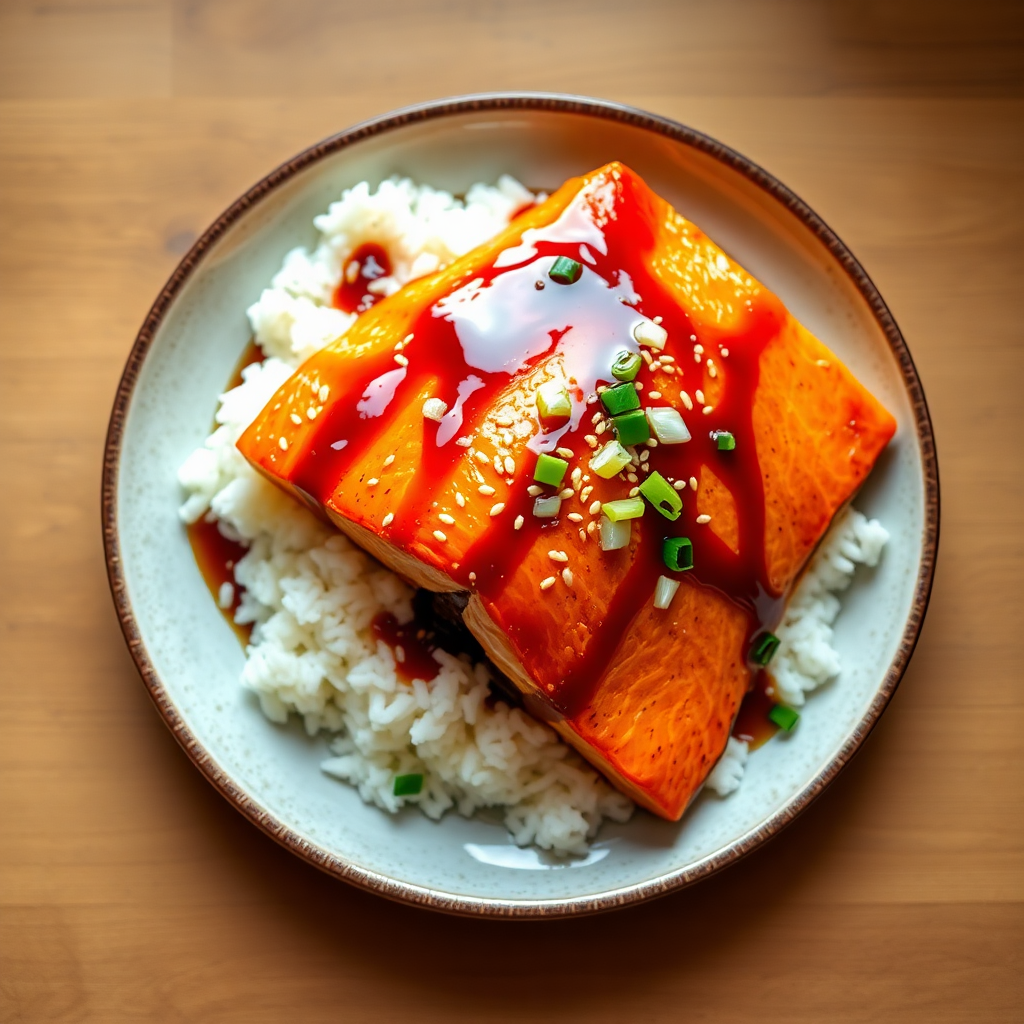
Pour the mixed teriyaki sauce into the pan (give it a quick stir if it has been sitting). Turn the heat to medium and simmer for 2 to 3 minutes. The sauce will bubble, begin to thicken, and gradually coat the protein. You will see the liquid transform from “watery” to “glossy and syrupy” and the protein will be coated in an amber glaze.
Step 5: Plate and Sprinkle Sesame Seeds
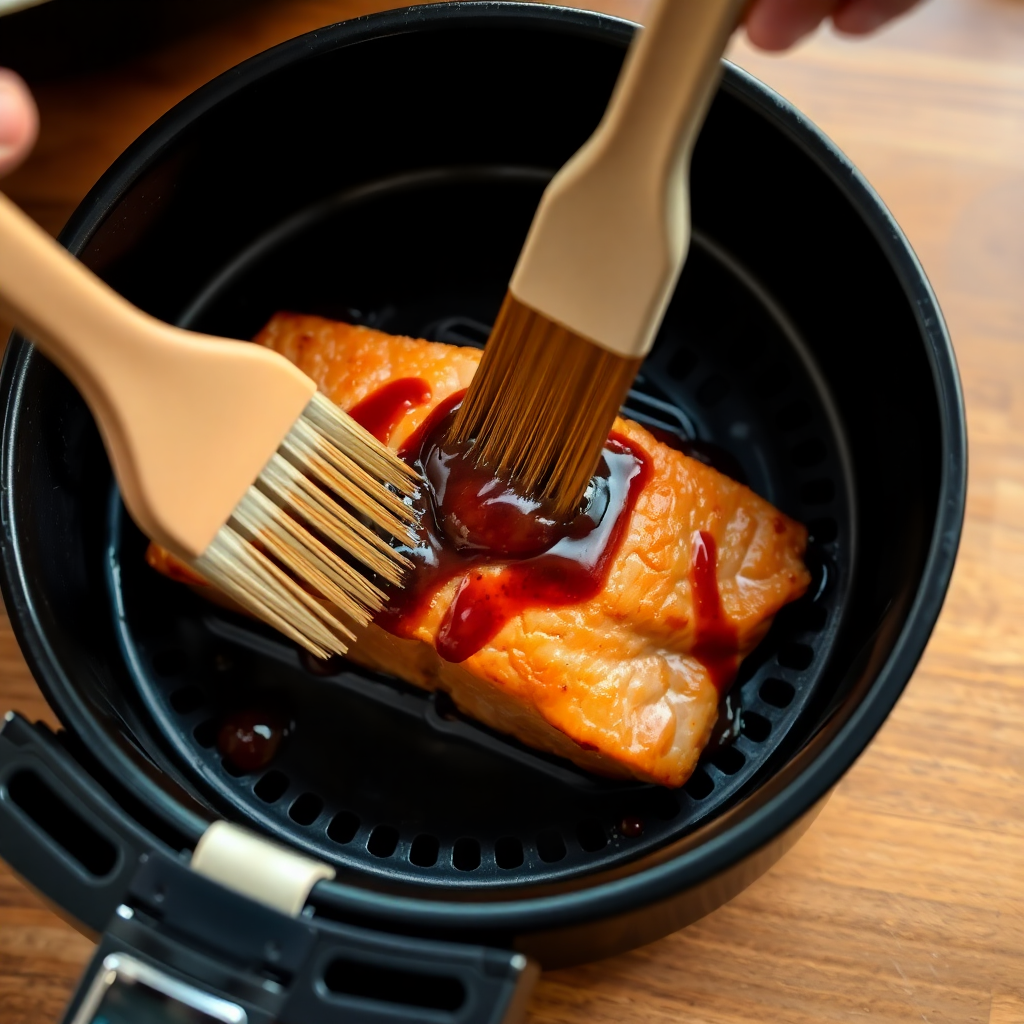
When the sauce is thick enough to coat the food and no longer runs like water, turn off the heat. Plate the protein, sprinkle with white sesame seeds and sliced scallions, and drizzle any remaining sauce from the pan over the rice. Serve with steamed rice — pour the sauce over the rice too, not just the protein.
Pro Tips for the Best Results
Mirin vs. sugar. Mirin provides more than sweetness — it contains alcohol and amino acids that create complex Maillard reactions when heated, forming the “teriyaki gloss” that plain sugar cannot replicate. This is why authentic teriyaki has a shiny coating and “fake teriyaki” made with only sugar has a dull surface. One bottle of mirin costs about $5 and lasts 6 months — it is a worthwhile investment.
Reducing the sauce is the key step. The transformation from “liquid” to “glossy coating” is called “reduction” — water evaporates, sugar concentrates, and viscosity increases. The sign of proper reduction: lift a spoonful of sauce and it should drip slowly, not run quickly like water. If it reduces too much, add 1 tablespoon of water to adjust.
Don’t add the sauce before searing. The protein must be seared first to develop a crust, then the sauce is added. If you simmer raw protein in the sauce from the beginning, the protein releases water, dilutes the sauce, and never develops a crust — you get “soy sauce boiled meat” instead of “teriyaki.” Sear first, sauce second = crispy outside, tender inside, sauce that clings.
Cornstarch is optional. If you want a thicker sauce (like the glaze on takeout teriyaki), add 1 teaspoon of cornstarch mixed with 2 tablespoons of water at the end of reducing and stir for 30 seconds. The sauce thickens instantly. But without starch, sugar reduction alone also creates a nicely thickened sauce — it just takes 1 to 2 extra minutes of simmering.
Teriyaki sauce variations. Beyond the base recipe: add 1 tablespoon yuzu juice for yuzu teriyaki (brighter flavor), add 1 teaspoon chili paste for spicy teriyaki, add 1 tablespoon miso for miso teriyaki (deeper umami), or use honey instead of sugar for honey teriyaki (better gloss and milder flavor).
Frequently Asked Questions
What if I don’t have mirin and sake?
The closest substitutes: 2 tablespoons white wine plus 1 tablespoon sugar for mirin, and 1 tablespoon rice vinegar plus 1 tablespoon water for sake. The flavor isn’t identical but it works. If you don’t have white wine either, use 2 tablespoons Sprite plus 1 tablespoon sugar for mirin — the citric acid and bubbles in Sprite provide a similar sweet-tart profile to mirin.
The sauce is too sweet. How do I fix it?
Reduce the sugar — start with 1 tablespoon instead of 2. Or add 1 teaspoon of extra soy sauce to increase the saltiness and balance the sweet. Authentic teriyaki is “sweet-salty balanced” — it should not taste only sweet. If it tastes too sweet, you likely added too much sugar or too much mirin.
Can I make a batch and store it?
Yes. The sauce alone (without cornstarch) keeps in a sealed jar in the fridge for up to 2 weeks. When ready to use, pour the needed amount into a small pan and heat, then add cornstarch at the end to thicken. Sauce with cornstarch added doesn’t keep well in the fridge for more than 3 days — the starch separates and thins out.
What is the difference between teriyaki sauce and stir fry sauce?
The main differences are sweetness and texture. Stir fry sauce is savory and thin (thickened with cornstarch). Teriyaki sauce is sweet and thick (thickened by sugar reduction). Stir fry sauce is for high-heat Chinese stir frying. Teriyaki sauce is for medium-heat Japanese pan-frying. Don’t swap them — teriyaki sauce in a stir fry will be too sweet, stir fry sauce as teriyaki will be too salty and not glossy.
Nutrition Information (Per Serving, about 2 tablespoons of sauce)
| Nutrient | Amount |
|---|---|
| Calories | 45 kcal |
| Protein | 1 g |
| Fat | 0 g |
| Carbohydrates | 9 g |
| Sugar | 8 g |
| Sodium | 480 mg |
Data source: USDA FoodData Central
More Quick Meals You’ll Love
- Homemade Stir Fry Sauce — The Chinese master sauce
- Homemade Pasta Sauce — The Italian master sauce
- Garlic Butter Shrimp — A seafood dinner with a different sauce profile
- 10-Minute Lunch Ideas — Five quick lunches including teriyaki rice bowls