Garlic Butter Shrimp
Sometimes you want a dinner that looks impressive but is actually simple. Garlic butter shrimp is that dish. Plump shrimp, golden garlic, rich butter, bright lemon, and fresh parsley — five ingredients that create a dish that looks like a restaurant entrée but takes fifteen minutes from fridge to plate. It is elegant enough for guests and easy enough for a random Tuesday.
The magic is in the timing. Shrimp cooks in 3 to 4 minutes total — 2 minutes per side. Any longer and it turns rubbery. The garlic butter sauce comes together in the same pan in the last minute, and then dinner is ready. One pan, fifteen minutes, restaurant-quality results.
Why You’ll Love This Recipe
- Fifteen minutes to the table. From rinsing the shrimp to plating the finished dish, the entire process takes fifteen minutes. That is faster than delivery would arrive, but the plating looks like a proper dinner.
- Four core ingredients. Shrimp, butter, garlic, lemon. That is the backbone. Parsley is optional for color. There is not a single ingredient on that list that requires a special shopping trip.
- One pan, minimal cleanup. One skillet handles the entire recipe. Garlic sizzles in butter, shrimp sear in the garlic butter, lemon juice goes in at the end. No side pots, no extra pans, no pile of dishes. Wash one pan and one plate and you are done.
- High protein, low effort. Shrimp delivers 24 grams of protein per 3.5 ounces and fewer than 100 calories. This is high-protein eating at its most efficient. Serve it with bread to dip in the garlic butter sauce and it is Mediterranean-style; serve it over rice and it is Japanese-style.
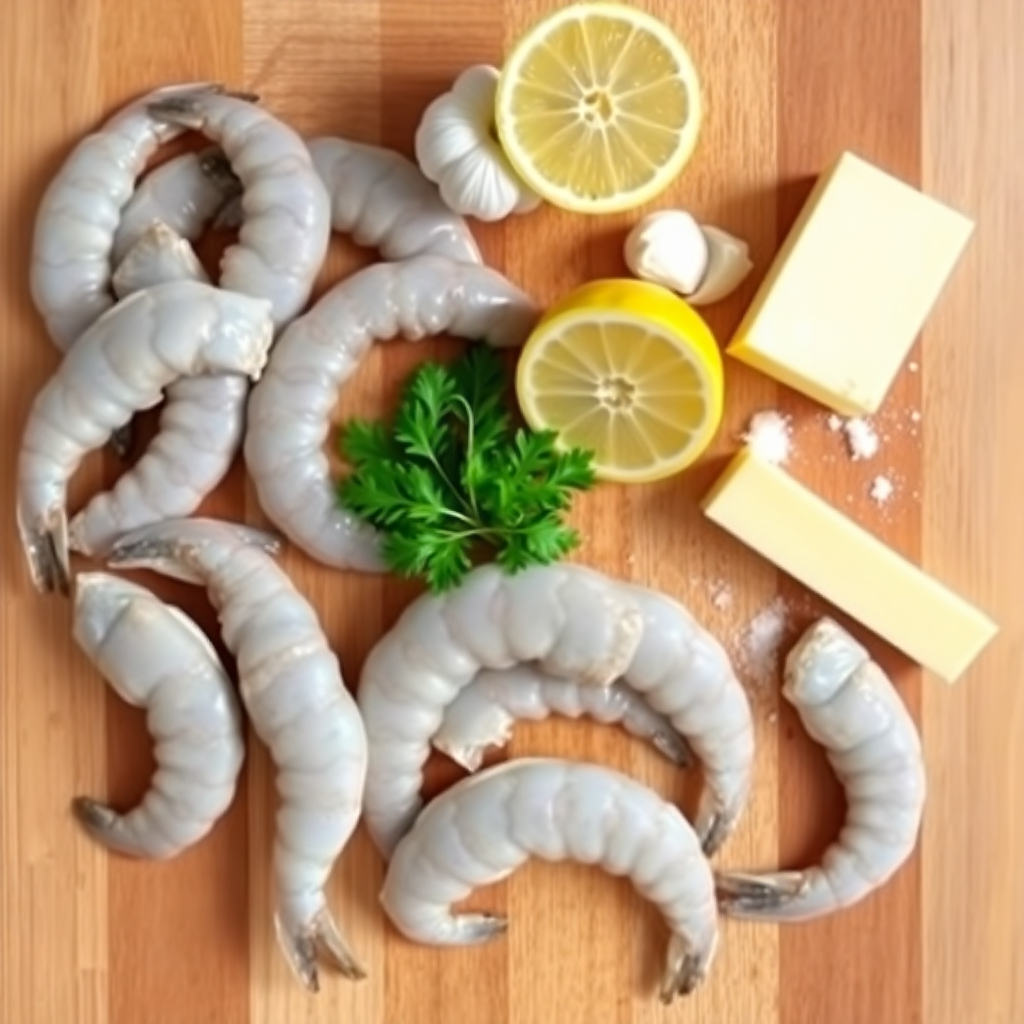
- 14 ounces medium or large shrimp, peeled and deveined (tail-on is fine)
- 3 tablespoons unsalted butter, divided
- 5 cloves garlic, minced
- 1 lemon (juice of half, wedges from the other half for serving)
- 2 tablespoons fresh parsley, chopped (or 1 teaspoon dried parsley)
- 1/4 teaspoon salt
- 1/4 teaspoon black pepper
- Optional: 1/4 teaspoon red pepper flakes
Ingredients You’ll Need
Pat the shrimp dry — this matters. Frozen shrimp must be thawed and then patted completely dry with paper towels. Moisture on the shrimp causes the butter to dilute and the shrimp to steam instead of sear. The difference between “garlic butter shrimp” and “boiled shrimp in garlicky water” is the drying step. Don’t skip it.
How to Make Garlic Butter Shrimp
Step 1: Pat the Shrimp Completely Dry
If using frozen shrimp, thaw completely (overnight in the fridge or 15 minutes in cold water). Remove the shells and devein if needed. Lay the shrimp out on paper towels and pat the top and bottom until no moisture remains. This step is critical — wet shrimp will not sear, they will steam, and the butter will become watery instead of rich.
Step 2: Sizzle the Garlic in Butter
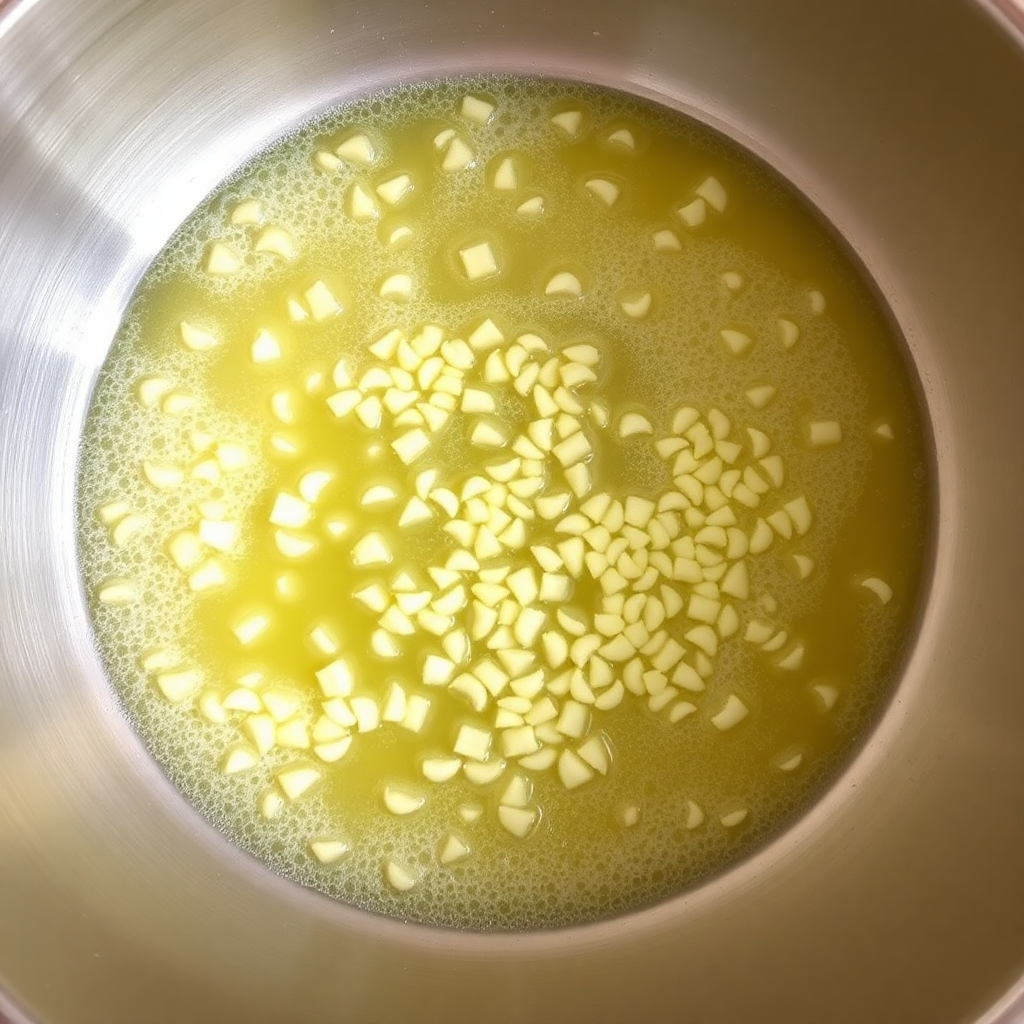
Heat a skillet over medium heat. Add 2 tablespoons of butter. When the butter melts and starts to bubble, add the minced garlic (and red pepper flakes if using). Sauté for 30 to 60 seconds until the garlic is fragrant and just beginning to turn a pale gold. Do not let the garlic brown — browned garlic is bitter and will ruin the sauce.
Step 3: Sear the Shrimp
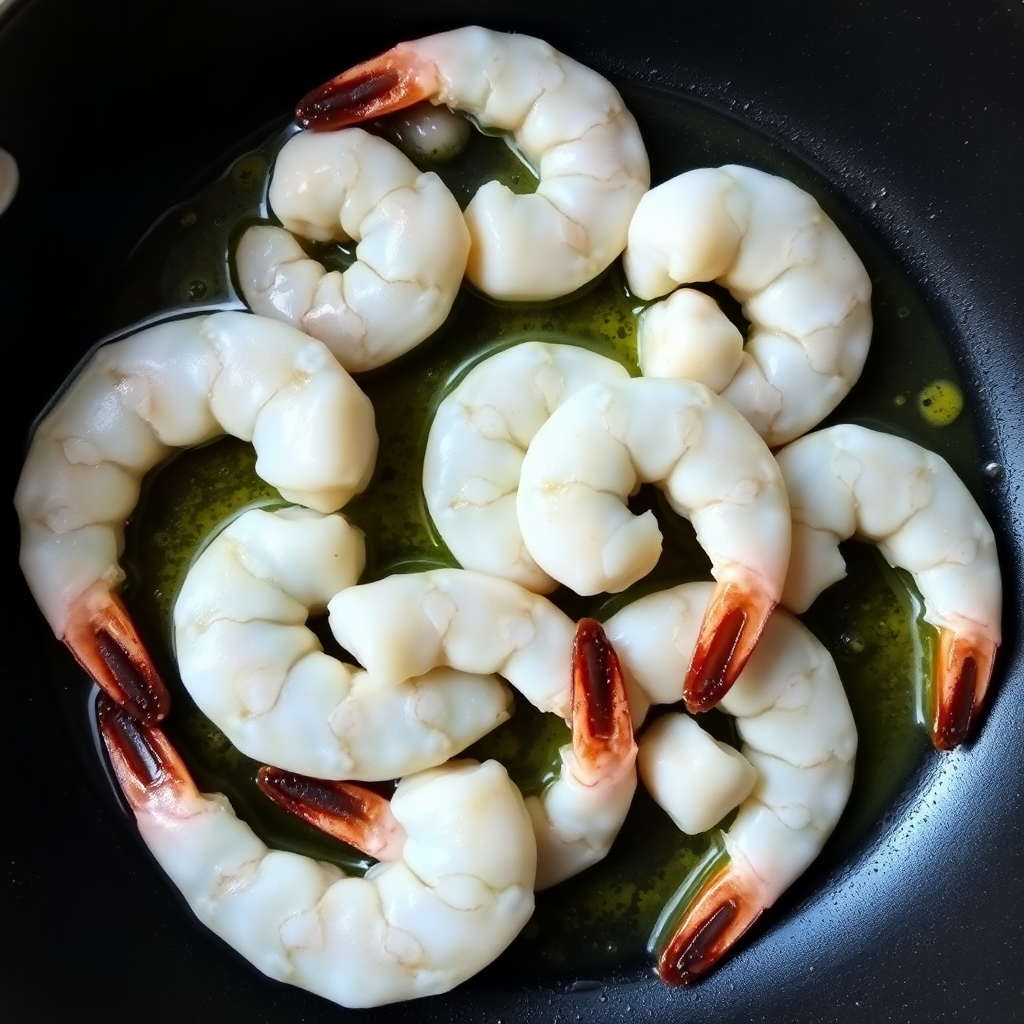
Arrange the dried shrimp in the skillet in a single layer. Sprinkle with salt and black pepper. Let them sear for 2 minutes without moving them — you want the bottom to turn pink and opaque and the edges to curl slightly. Don’t stir or flip too early. The sear develops flavor.
Step 4: Flip, Add Butter and Parsley
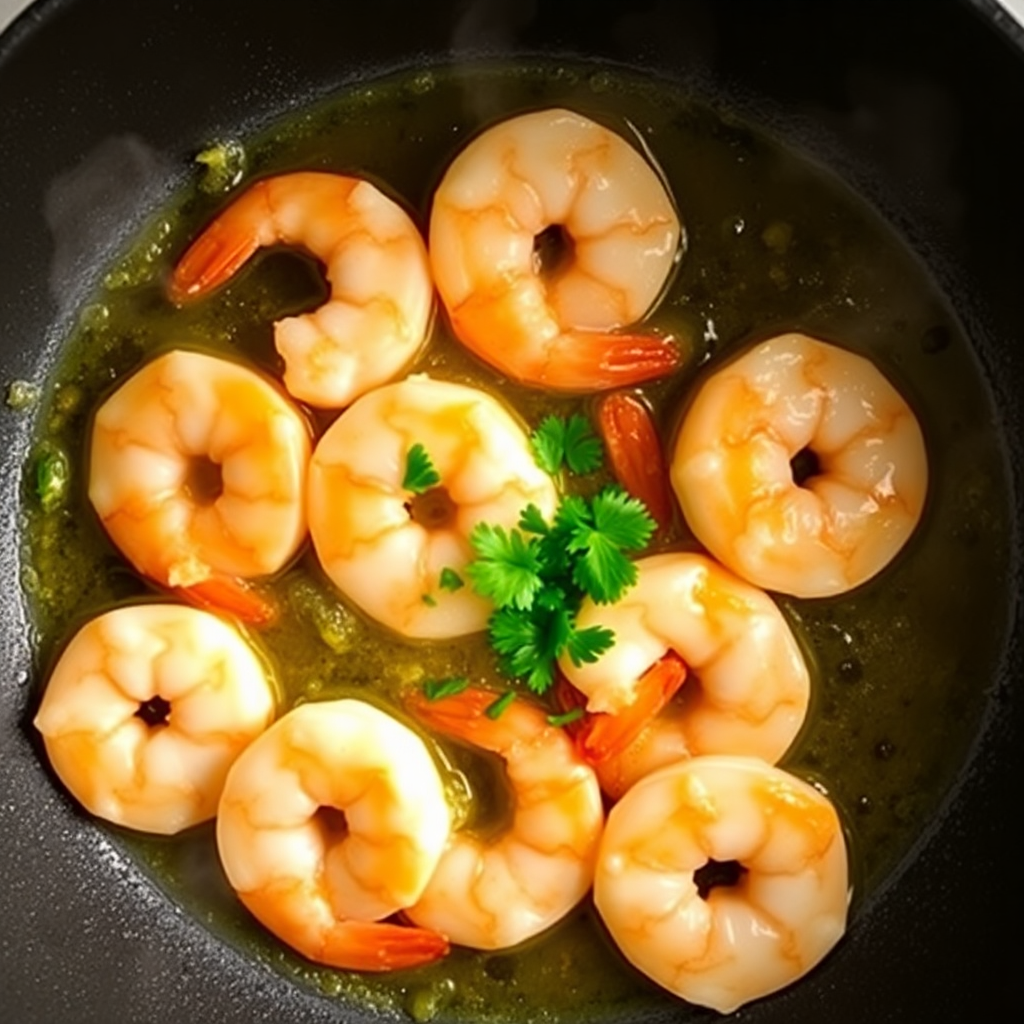
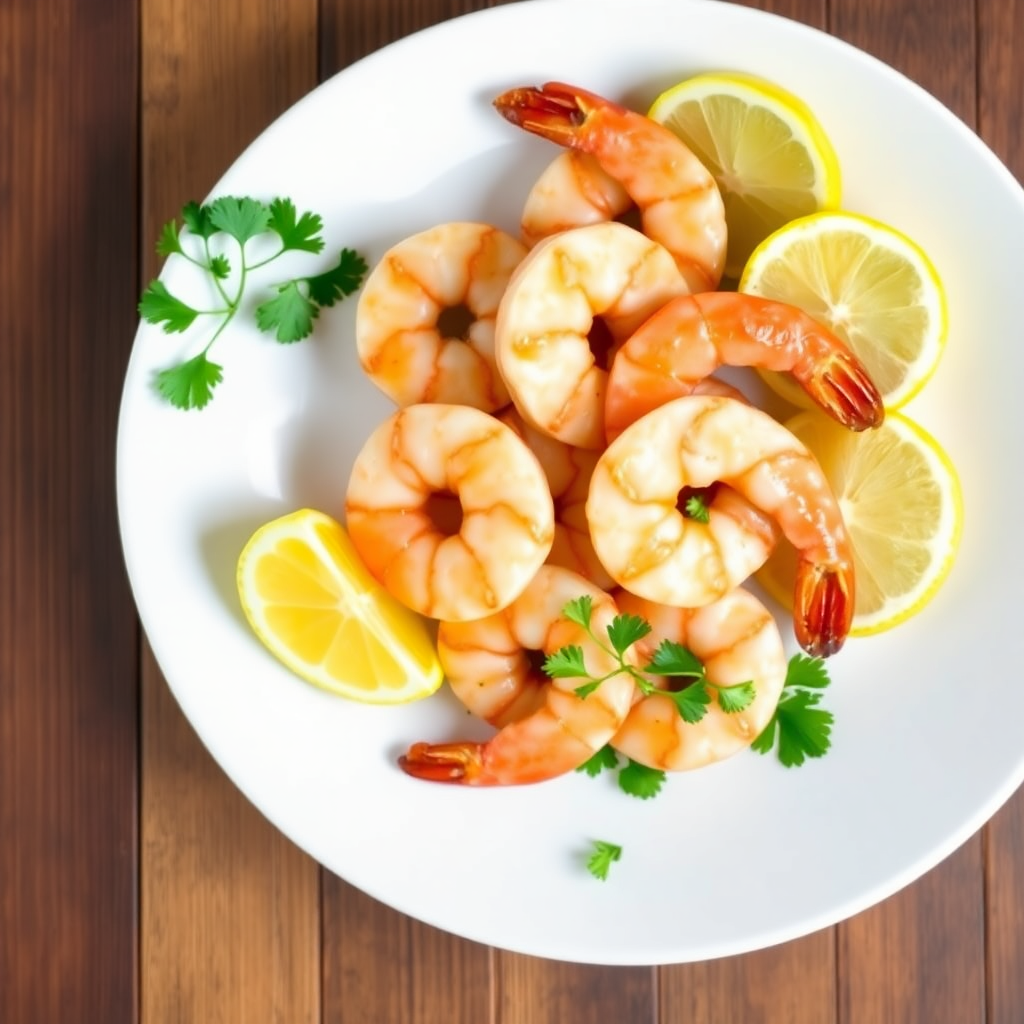
After 2 minutes, flip each shrimp. Add the remaining 1 tablespoon of butter and the chopped parsley. The butter melts into the pan and combines with the garlic to create a rich sauce. Cook for another 1 to 2 minutes until the shrimp are fully opaque, pink all over, and curved into a “C” shape.
Step 5: Add Lemon Juice and Serve
Turn off the heat. Squeeze the juice of half a lemon over the shrimp — the lemon juice hits the hot butter and creates a slight emulsion that thickens and brightens the sauce. Plate immediately, spoon the garlic butter sauce from the pan over the shrimp, and serve with lemon wedges on the side and extra parsley for color.
Pro Tips for the Best Results
Don’t overcook the shrimp — this is the #1 rule. Shrimp goes from translucent to opaque in 3 to 4 minutes, and one minute more turns it rubbery. The test: when the shrimp curves into a “C” shape, it is perfectly done. If it curls into a tight “O” shape, it is overcooked. Undercook by 30 seconds rather than overcook — residual heat finishes the cooking.
Add the butter in stages. Two tablespoons go in first to sauté the garlic — the milk solids in the butter help release the garlic’s aroma. One tablespoon goes in when flipping the shrimp — this freshens the fat and makes the sauce richer. Adding butter in stages gives better flavor than adding it all at once.
Dry shrimp = seared shrimp = good shrimp. Moisture on the surface of the shrimp causes the pan temperature to drop and the shrimp to steam. Steamed shrimp has no sear, no flavor, and a watery texture. Press the shrimp between layers of paper towels until completely dry. This one step separates good shrimp from bad.
Mince the garlic, don’t use garlic powder. Minced garlic releases essential oils into the butter and creates visible golden bits that cling to the shrimp — flavor and texture. Garlic powder dissolves into the butter and provides only flavor, no texture. Mincing takes one minute and the difference is visible on the plate.
Add lemon juice at the very end. Lemon juice turns bitter when heated (citric acid breaks down under heat and creates bitter compounds). Add lemon juice after turning off the heat — the residual warmth emulsifies the lemon and butter without heating the acid enough to turn bitter. This one timing detail makes the difference between bright sauce and bitter sauce.
Frequently Asked Questions
Can I use shrimp with the shell on?
Yes, and shell-on shrimp actually have more flavor — the shells release umami into the butter as they cook, making the sauce richer. The downside is that guests need to peel the shrimp at the table, which is messy. The compromise: use tail-on shrimp (peeled except for the tail) — the tail shell adds flavor during cooking and the meat pulls out easily when eating.
What if I don’t have butter?
Olive oil works as a substitute, but the flavor profile is completely different — butter version is rich French-Mediterranean style, olive oil version is light Italian style. If you only have olive oil, add 1 teaspoon of heavy cream or half-and-half at the end to partially mimic the richness of butter.
The shrimp turned out rubbery. Can I fix it?
Once shrimp is rubbery (over-coagulated protein), there is no fix. The protein structure has already tightened too much. Next time: reduce cooking time, make sure the shrimp are patted dry (wet shrimp take longer to sear and overcook by the time they brown), and use a thermometer to confirm the pan isn’t too hot.
What should I serve with this?
Crusty bread is the classic pairing — tear off a piece and dip it in the garlic butter sauce, which is honestly the best part of the dish. Rice makes it a Japanese-style set meal. Pasta turns it into garlic shrimp pasta. A simple green salad makes it a lower-carb option. A chilled glass of Sauvignon Blanc is the perfect wine pairing.
Nutrition Information (Per Serving, about 1/3 of recipe)
| Nutrient | Amount |
|---|---|
| Calories | 220 kcal |
| Protein | 24 g |
| Fat | 12 g |
| Saturated Fat | 7 g |
| Carbohydrates | 3 g |
| Sodium | 380 mg |
Data source: USDA FoodData Central
More Quick Meals You’ll Love
- 15-Minute Chicken Stir Fry — A chicken version of the 15-minute dinner
- Creamy Mushroom Pasta — A rich pasta for seafood lovers
- 10-Minute Lunch Ideas — Five quick lunches including shrimp rice bowls
- Homemade Stir Fry Sauce — A master sauce for quick dinners