One-Pot Chicken and Rice
If you love the kind of meal where you “dump everything in a pan and let it figure itself out,” one-pot chicken and rice was made for you. Chicken thighs and rice cook together in the same pan, the chicken juices seep into the rice, and the rice absorbs all that savory flavor. One pan, thirty minutes, a complete dinner that tastes like comfort food.
This is the kind of recipe that makes your kitchen smell amazing. As the rice simmers, the chicken skin crisps up, the onions sweeten, and the whole thing comes together into a meal that is greater than the sum of its parts. It is budget-friendly, kid-friendly, and makes excellent leftovers for lunch the next day.
Why You’ll Love This Recipe
- One pan to the table. The entire recipe — searing the chicken, toasting the rice, simmering everything together — happens in one deep skillet or Dutch oven. Cook, plate, and serve directly from the pan. Wash one pan, one spoon, and one measuring cup. That is the kind of cleanup math everyone can get behind.
- Thirty minutes, mostly hands-off. Five minutes to sear the chicken, two minutes to toast the rice, twenty minutes to simmer, three minutes to rest. The simmering time is hands-off — you can clean the kitchen, help with homework, or scroll your phone while dinner cooks itself.
- Chicken flavor in every grain of rice. Bone-in chicken thighs release juices and fat as they simmer, and that savory richness seeps down into the rice. The rice ends up tasting like it was cooked in homemade chicken stock (because it basically was). You could eat the rice plain and it would be delicious.
- Extremely budget-friendly. Four chicken thighs plus one cup of rice plus vegetables equals a family-of-four dinner for about $4-5 total. The cost per serving is under $1.50. This is the best value meal in the rotation.
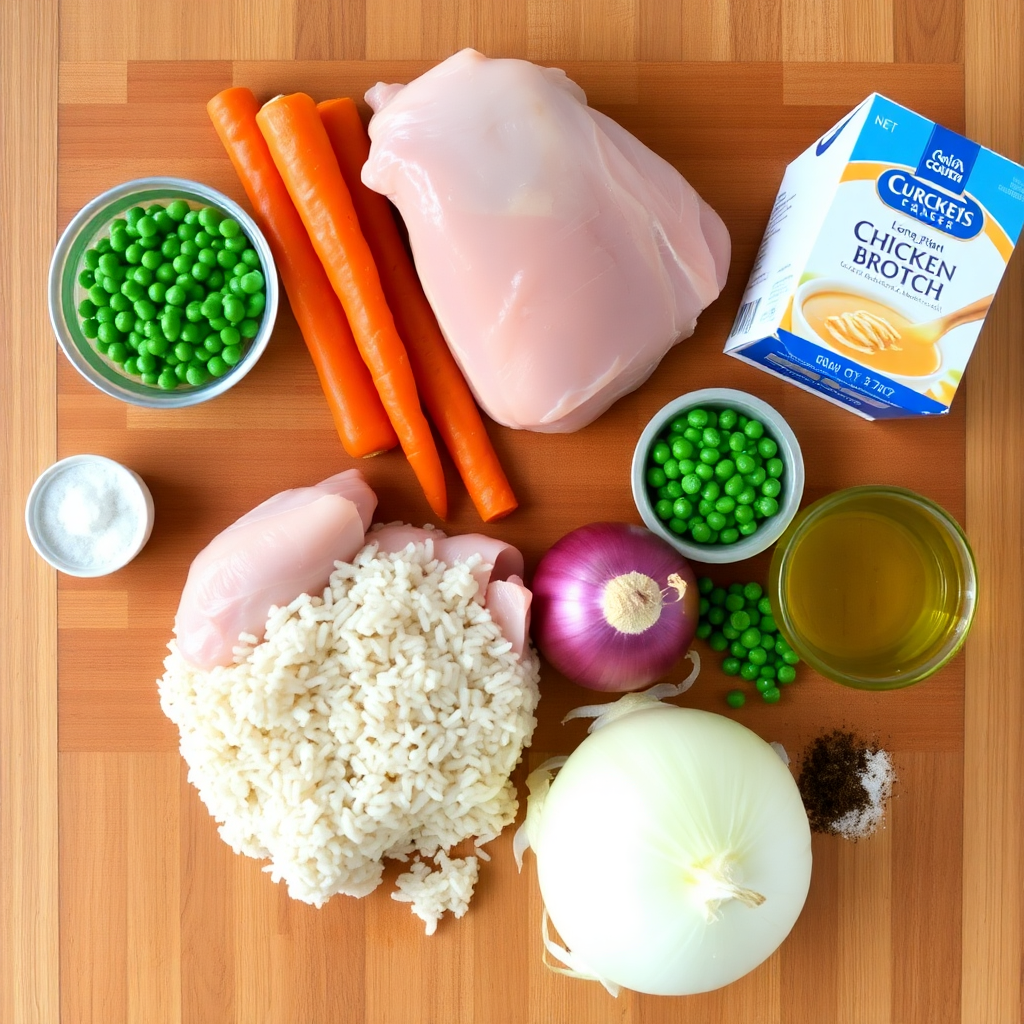
- 4 bone-in, skin-on chicken thighs (about 7 ounces each), at room temperature
- 1 cup long-grain rice (jasmine or basmati), rinsed and drained
- 2 cups chicken broth (homemade is best, boxed is fine)
- 1 medium onion, diced
- 2 cloves garlic, minced
- 1 cup frozen mixed vegetables (peas, corn, carrots)
- 1 teaspoon salt
- 1/2 teaspoon black pepper
- 1/2 teaspoon garlic powder
- 2 tablespoons cooking oil
Ingredients You’ll Need
Use long-grain rice only. Long-grain rice (jasmine or basmati) stays separate and fluffy after cooking. Short-grain rice (sushi rice) or medium-grain rice (Calrose) has more starch and turns sticky when simmered. If you only have short-grain rice, reduce the broth to 1.5 cups and don’t stir — stirring releases more starch and makes the rice gummy.
How to Make One-Pot Chicken and Rice
Step 1: Season the Chicken Thighs
Pat the chicken thighs dry with paper towels on both sides. Sprinkle salt, black pepper, and garlic powder evenly over both sides. Press the seasoning in with your hands so it adheres. Dry skin = crispier skin when seared, which is the goal of step 2.
Step 2: Sear the Chicken Until Golden
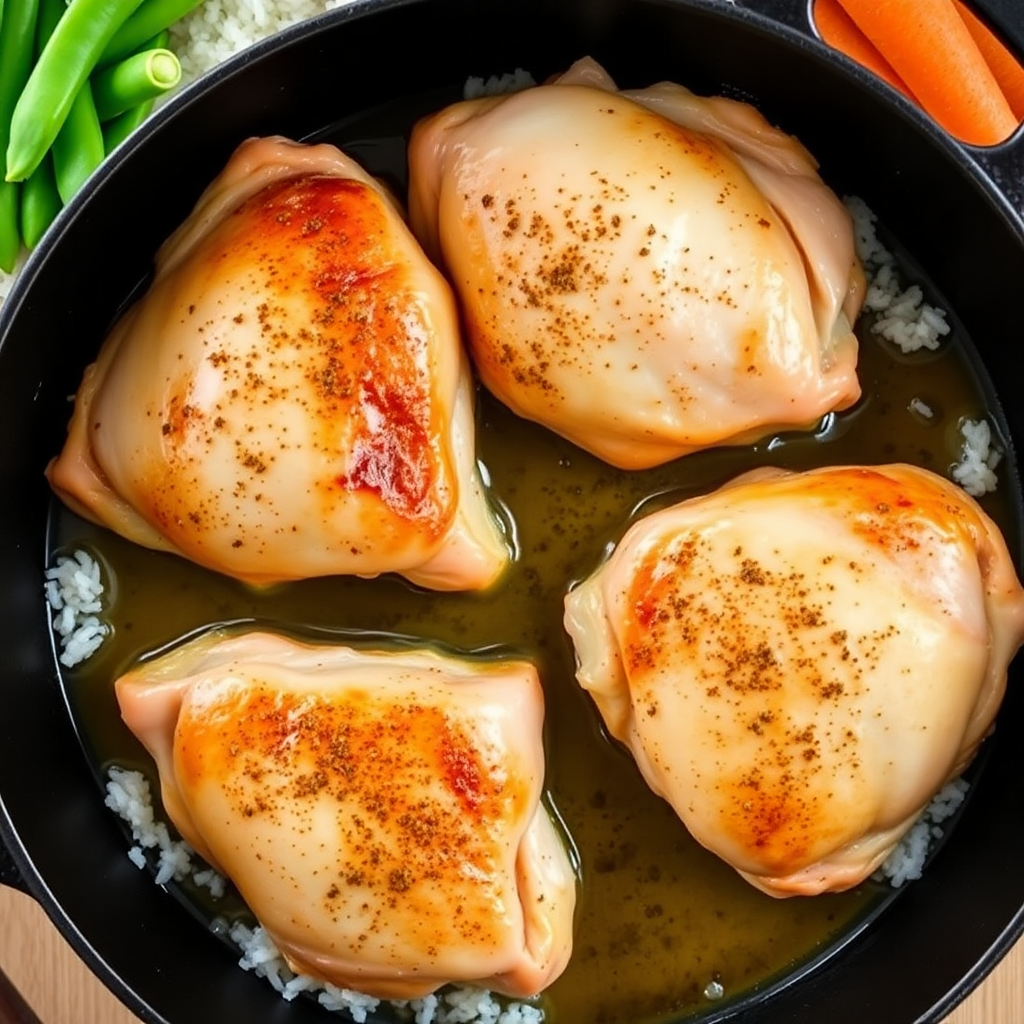
Heat a deep skillet or Dutch oven (with a lid) over high heat. Add 1 tablespoon of oil. When the oil shimmers, place the chicken thighs skin-side down. Sear for 3 minutes without moving until the skin is golden and crispy. Flip and sear for 2 more minutes. The chicken doesn’t need to be fully cooked — it finishes later. Remove the chicken to a plate. The chicken fat left in the pan is pure flavor — don’t wash it out.
Step 3: Toast the Rice with Onion and Garlic
In the same pan (chicken fat still there — that is the flavor base), add 1 tablespoon of oil if needed, then add the diced onion and minced garlic. Sauté for 2 minutes until the onion is translucent. Add the rinsed and drained rice and stir for 1 minute so every grain gets coated in oil. This step is called “toasting the rice” — it makes the rice nutty and helps it stay separate instead of sticky.
Step 4: Add Broth, Vegetables, and Chicken — Then Simmer
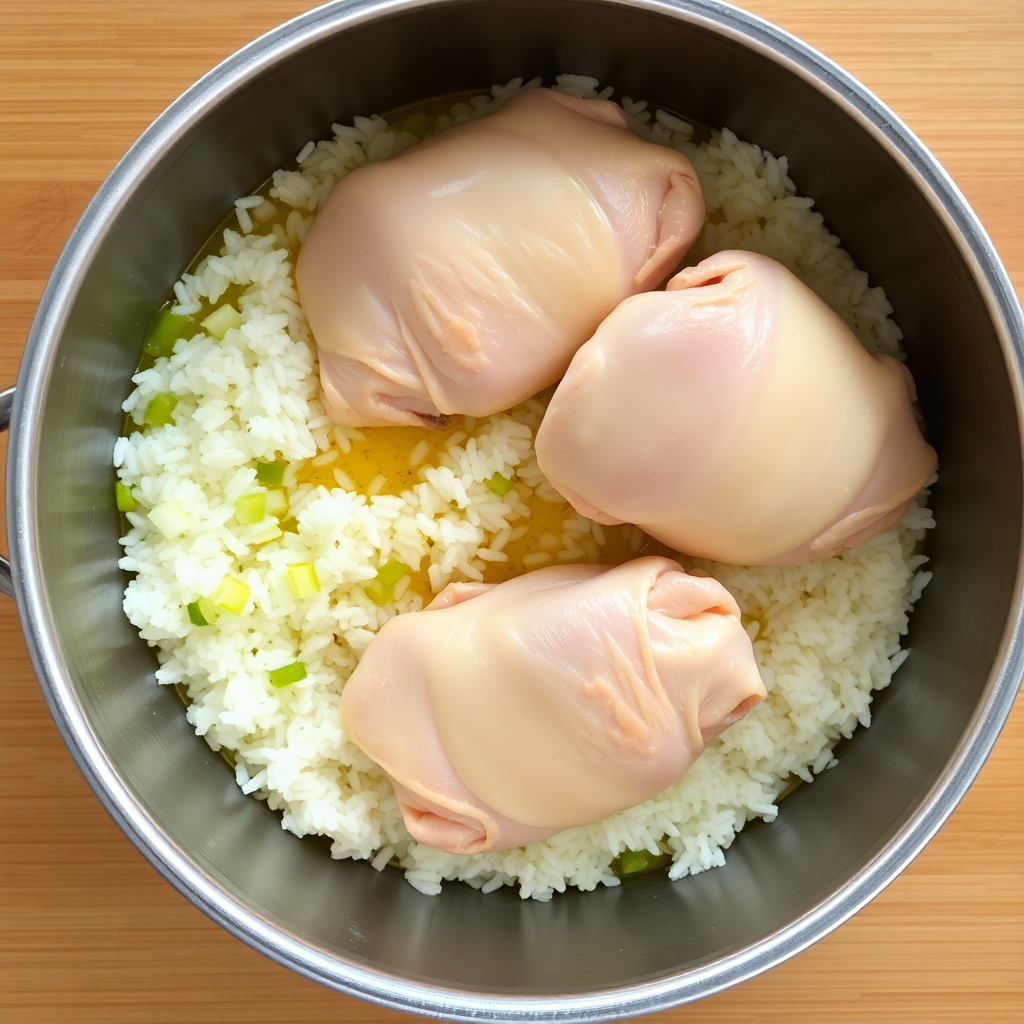
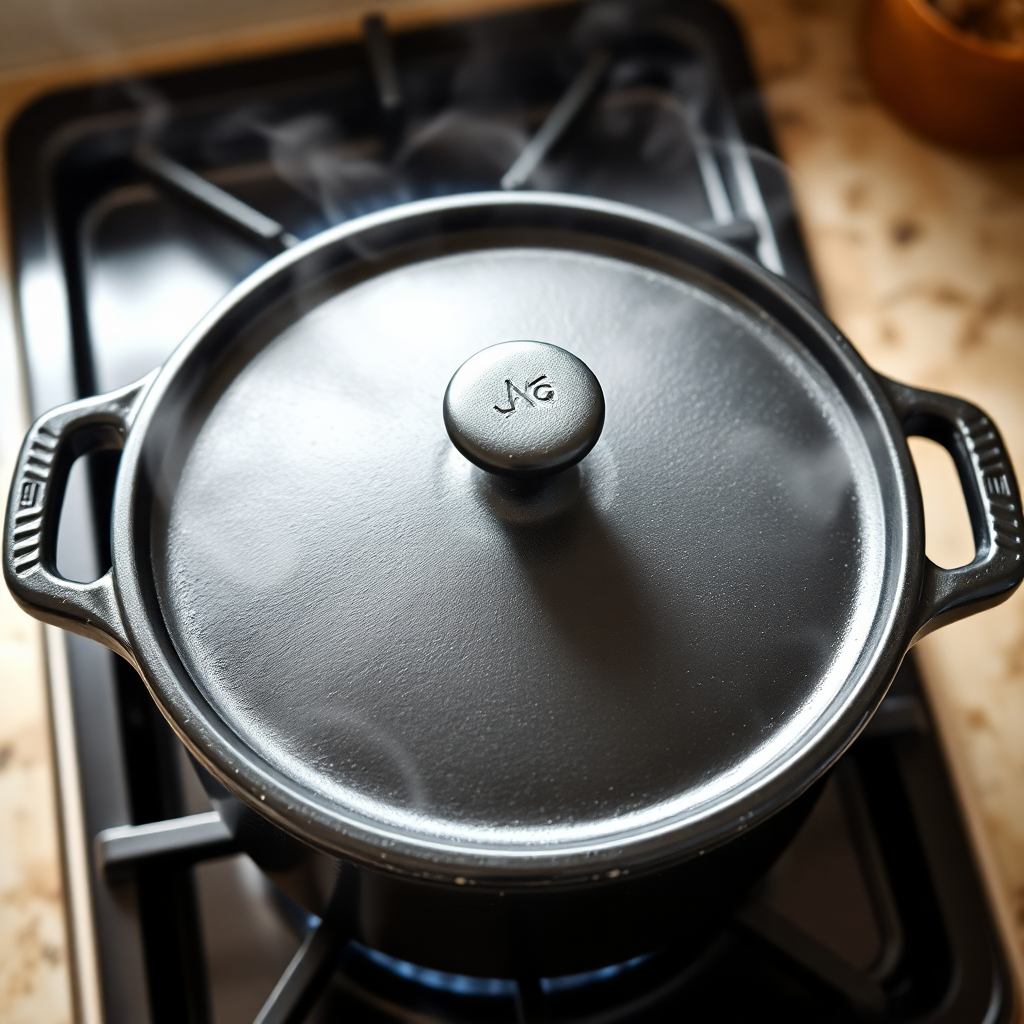
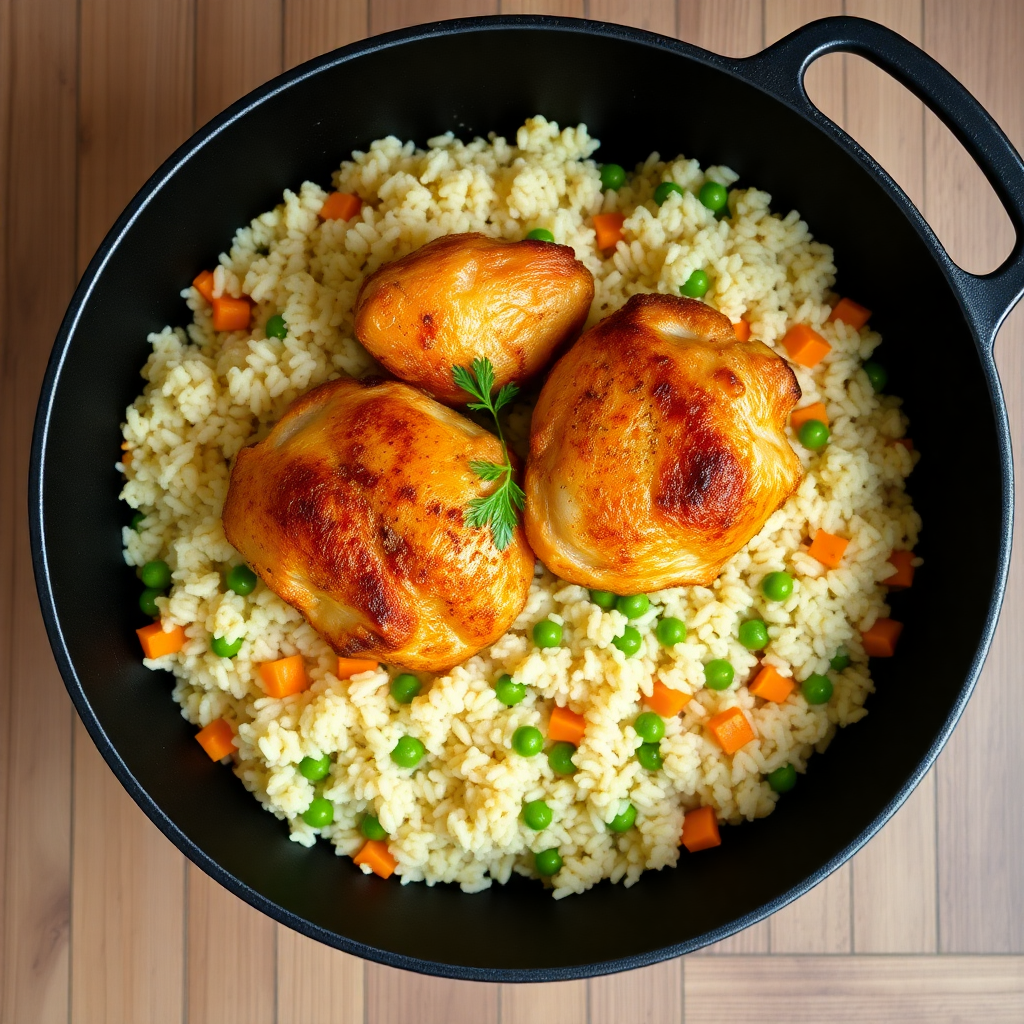
Pour in the chicken broth and stir to combine. Scatter the frozen mixed vegetables evenly over the rice. Place the seared chicken thighs skin-side up on top of the rice — don’t press them in, let the skin stay exposed to the steam so it stays crispy. Cover with a lid, turn the heat to the lowest setting, and simmer for 20 minutes. Do not open the lid — the steam needs to stay trapped inside.
Step 5: Rest, Fluff, and Serve
After 20 minutes, turn off the heat. Do not remove the lid — let the pan sit for 5 minutes (the residual heat finishes cooking the rice evenly). Then remove the lid, use a fork to fluff the rice — scoop from the bottom up so the chicken-flavored rice from the bottom mixes with the top. Serve by scooping rice and one chicken thigh per person. The chicken skin should still be crispy and the rice should be fluffy and fragrant.
Pro Tips for the Best Results
Sear the chicken before the rice, every time. Chicken thighs need to develop a crispy skin before simmering. The crispy skin serves two purposes: it locks in the meat juices (so the chicken stays juicy after simmering), and the fat rendered from the skin stays in the pan and flavors the rice. If you skip searing and just simmer raw chicken in the rice, you get “soy sauce boiled chicken” instead of “one-pot chicken and rice.”
Toasting the rice is the secret step. Stirring the rice in oil for 1 minute before adding liquid coats each grain in fat. The fat coating does two things: it prevents the grains from sticking together (fluffy, separate rice), and the high heat gives the rice a slightly nutty, toasted flavor. It takes 1 minute and the difference is noticeable.
Don’t lift the lid during simmering. This is the iron rule of rice cooking. The trapped steam circulates inside the covered pan, maintaining a steady 212°F, and the rice absorbs water and cooks evenly. Every time you lift the lid, steam escapes, the temperature drops, and the rice cooks unevenly. You will smell the chicken and rice aroma wafting from the lid edge — that is how you know it is working. Resist lifting.
The 5-minute rest matters. After turning off the heat, leave the lid on for 5 minutes. In this time, the surface moisture in the rice redistributes, the starch finishes gelatinizing, and the texture goes from slightly wet to perfectly fluffy. Skipping the rest results in rice that is a little wet and sticky. Rested rice is dry and separate.
Chicken broth determines the flavor ceiling. About 80% of the rice’s flavor in this dish comes from the broth. Homemade broth (from simmered chicken bones) has the most umami. Boxed broth is the convenient second choice. Water is the last choice — if you use water, add 1 teaspoon of chicken bouillon or 1 chicken bouillon cube to compensate. The difference between water and real broth is dramatic.
Frequently Asked Questions
Can I use boneless chicken thighs?
Yes, but the texture and flavor are different. Boneless thighs cook faster (reduce simmer time to 15 minutes) but they don’t release as much flavor into the rice because there are no bones. If using boneless, add 1 teaspoon of chicken bouillon to the broth to compensate for the lost bone flavor. Bone-in thighs are the first choice.
The rice is undercooked. How do I fix it?
Most likely causes: the lid was lifted (steam escaped), the heat was too high (bottom burned but top uncooked), or there wasn’t enough liquid. Fix: add 2 to 3 tablespoons of hot water or broth, cover, and simmer on the lowest heat for 5 more minutes. Next time: don’t lift the lid, use the lowest heat, and use the ratio of 1 cup rice to 2 cups liquid.
Can I make this in a rice cooker?
Yes. Sear the chicken and sauté the onion, garlic, and rice in a skillet on the stove. Then transfer everything (including the chicken on top) to the rice cooker, add the broth, and run the normal rice cycle. The rice cooker controls temperature more precisely than a stovetop pan. The only step you can’t do is keep the chicken skin crispy — the steam softens it.
Is this recipe good for meal prep?
Very good. One-pot chicken and rice keeps in the refrigerator for 3 to 4 days and reheats well in the microwave for 2 minutes. The rice texture stays the same after reheating, though the chicken may be slightly drier (still good). Make a double batch, portion it out, and you have lunch and dinner covered for the work week. Freezing is not recommended — the rice texture suffers after thawing.
Nutrition Information (Per Serving, about 1/4 of recipe)
| Nutrient | Amount |
|---|---|
| Calories | 420 kcal |
| Protein | 28 g |
| Fat | 18 g |
| Carbohydrates | 38 g |
| Fiber | 2 g |
| Sodium | 480 mg |
Data source: USDA FoodData Central
More Quick Meals You’ll Love
- 15-Minute Chicken Stir Fry — A quicker stovetop chicken dinner
- Easy Dinner Recipes for Family — Five family dinner ideas
- 5-Ingredient Pasta Dinner — A one-pot pasta alternative
- Homemade Stir Fry Sauce — A master sauce to speed up dinner