Step 1: Load Wet Ingredients, Flour, and Baking Powder: Pour in the milk and oil first, then add the flour. Sprinkle the baking powder, salt, and sugar over the flour — stir the baking powder lightly into the flour so it's evenly distributed, not clumped in one spot. If you're using apple cider vinegar, add it with the milk.
Step 2: Lock the Pan into the Machine: Seat the pan and confirm the kneading paddle is installed. No-yeast dough is thicker and stiffer, so the paddle must be extra secure or it won't turn the batter.
Step 3: Select the Quick Bread / Cake Cycle: Critical: do NOT use the standard yeast bread cycle. Choose "Quick Bread," "Cake," or "Bake" — these cycles only mix and bake, with no fermentation. Set the loaf to 2 lb and the crust to medium. Press start.
Step 4: Mix and Bake, About 1.5 Hours: The machine mixes the ingredients into a thick batter (not a smooth dough ball), then goes straight to baking. With no proofing segment, the whole process is shorter than a yeast loaf. Through the viewing window you'll see the batter slowly set and color.
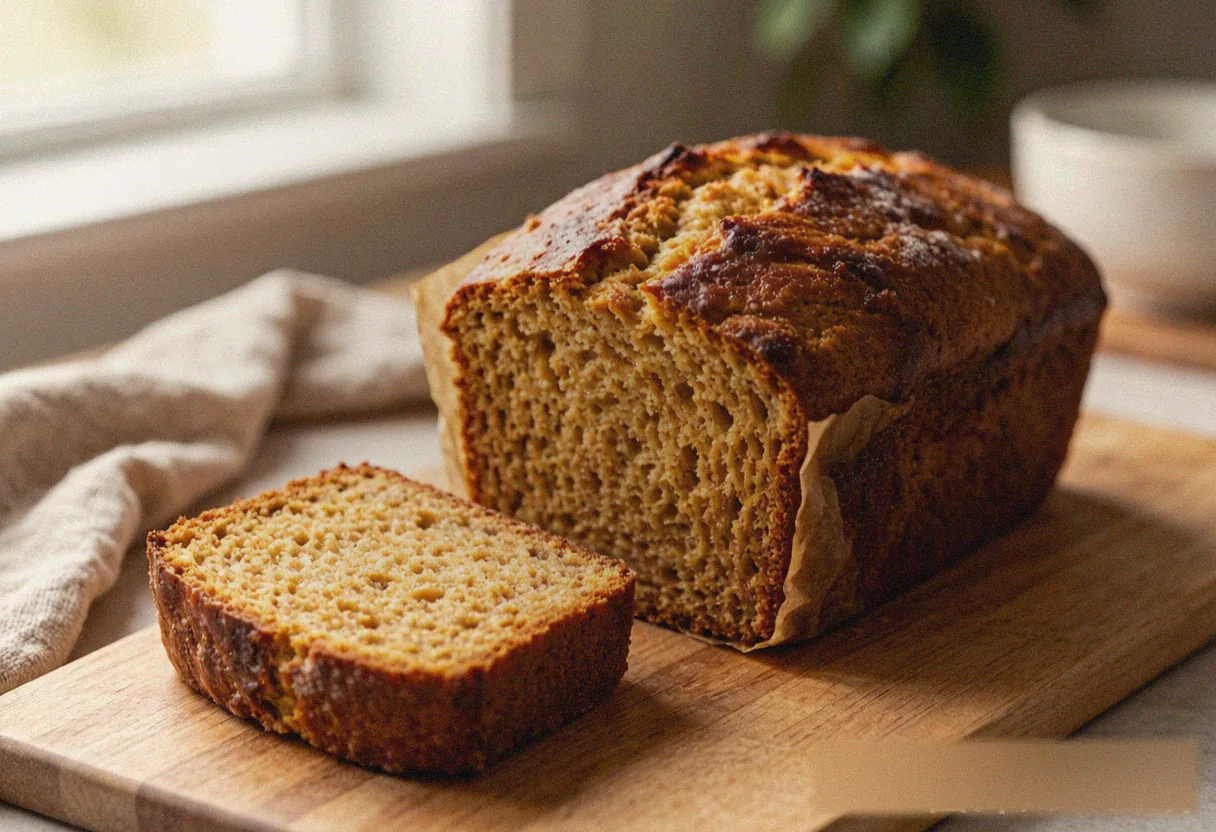
Step 5: Unmold and Cool: The moment the cycle ends, lift the pan out and invert to release the loaf. No-yeast bread is wetter and softer than yeast bread, so cool it for at least 45 minutes before slicing — it collapses more easily when hot. Once cool, slice to reveal a dense, tender crumb without large air pockets.