Step 1: Sauté the Aromatics: Heat 1 tablespoon of olive oil in a large Dutch oven or deep skillet over medium heat. Add the diced onion and cook for 3–4 minutes until translucent and starting to soften. Add the minced garlic and cook for 30 seconds more, stirring constantly so the garlic doesn't burn. The onion and garlic form the flavor foundation of the chili — getting them soft and sweet before anything else goes in the pot ensures the finished chili has depth from the ground up.
Step 2: Brown the Ground Turkey: Add the ground turkey to the pot, breaking it apart with a wooden spoon into small crumbles. Cook over medium heat for 5–6 minutes, stirring occasionally, until no pink remains. Ground turkey is leaner than beef and won't release much fat, so there's no need to drain anything. Keep the crumbles on the small side — smaller pieces absorb more flavor from the spices and sauce than large chunks do.
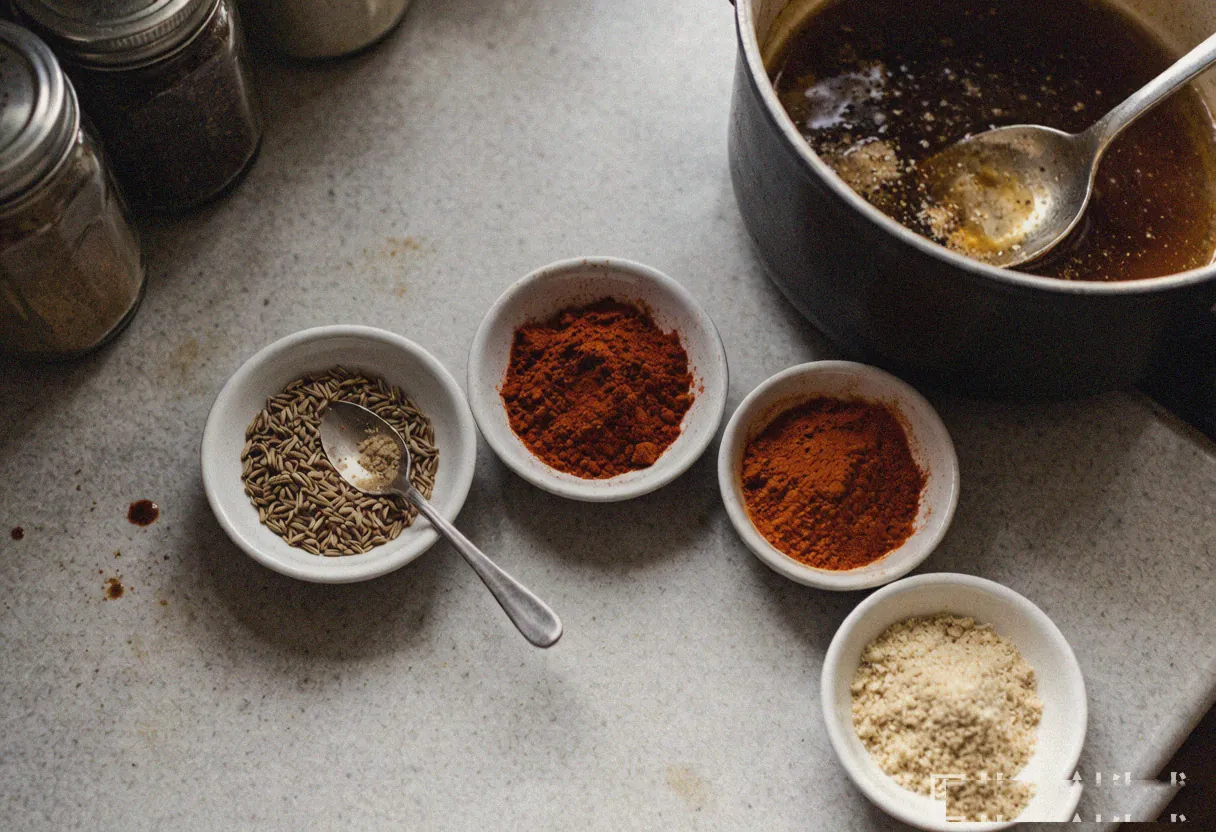
Step 3: Bloom the Spices: Push the cooked turkey to one side of the pot. In the cleared space, add the chili powder, smoked paprika, cumin, dried oregano, and black pepper directly onto the hot surface. Stir the spices in the residual oil for about 15 seconds — this technique is called blooming, and it transforms dry spices from dusty and one-dimensional into fragrant and deeply aromatic. Once you can smell the spices strongly, stir everything together so the turkey is fully coated.
Step 4: Add Tomatoes, Beans, and Simmer: Pour in the diced tomatoes, tomato sauce, drained black beans, and drained kidney beans. Add 1 cup of water and stir everything together until combined. Bring to a boil, then reduce the heat to medium-low. Cover with the lid slightly ajar — you want steam to escape so the chili thickens — and simmer for 15–20 minutes, stirring occasionally to prevent sticking. The color will shift from bright red to a rich, dark reddish-brown as the flavors meld.
Step 5: Taste, Adjust, and Serve: Taste the chili. If it feels like it's missing something, do not reach for the salt. Instead, add 1 teaspoon of rice vinegar or the juice of half a lime — acidity boosts your perception of savoriness without adding a single milligram of sodium. This is one of the most reliable tricks in low-sodium cooking. Ladle into bowls and garnish with fresh cilantro. For a creamy topping, use a dollop of plain Greek yogurt instead of sour cream — same tang, less sodium, more protein.