Low Sodium Vegetable Soup
A bowl of colorful vegetable soup is the ultimate comfort food — low in calories, high in fiber, packed with vitamins, and surprisingly flavorful without heavy salt. Low sodium vegetable soup is ideal for heart-healthy diets, weight management, and anyone who wants to eat well without sacrificing taste.
The trick to making low-sodium soup taste good isn’t salt substitutes. It’s layering flavors: tomato’s natural acidity, herbs’ aromatic depth, and the inherent sweetness of properly simmered vegetables. Together they create a broth that tastes seasoned even when it barely contains any salt.
Why You’ll Love This Recipe
- Less than 250mg sodium per bowl. Vegetables are naturally low in sodium — the only sodium comes from ¼ teaspoon of kosher salt and the vegetables themselves. That’s a third of what you’d find in canned vegetable soup (700–900mg per bowl).
- Vegan and gluten-free friendly. No animal products at all. Serve with whole wheat bread for a complete vegan meal, or skip the bread for a gluten-free version.
- Five colors in one pot. Red tomatoes, orange carrots, green celery and zucchini, white onion — the “eat five colors a day” nutrition advice is checked off in a single bowl.
- Ready in 40 minutes. Ten minutes of prep, five minutes of sautéing, twenty-five minutes of simmering. While the soup cooks, you’re free to do other things. It’s cheaper than frozen soup and infinitely fresher.
Ingredients You’ll Need
- 1 medium onion, diced
- 2 garlic cloves, minced
- 2 carrots, peeled and diced
- 2 celery stalks, diced
- 2 tomatoes, diced (or 1 can 400g diced tomatoes)
- 1 zucchini, diced
- 6 cups vegetable broth (or water + 1 tsp vegetable bouillon powder)
- 1 bay leaf
- 1 tsp dried oregano
- ½ tsp dried basil
- ¼ tsp kosher salt (omit for stricter low-sodium diets)
- ¼ tsp black pepper
- 1 tbsp olive oil
The low-sodium key:** Vegetables contain less than 50mg sodium per 100g — the sodium in this soup comes almost entirely from the salt and broth. Use unsalted vegetable broth or water. With kosher salt, ¼ tsp adds about 290mg sodium total — divided by 4 bowls, that’s only 73mg per bowl from the salt. Tomato’s natural acidity and oregano’s herbal aroma completely replace the need for more salt.
How to Make Low Sodium Vegetable Soup
Step 1: Dice All Vegetables
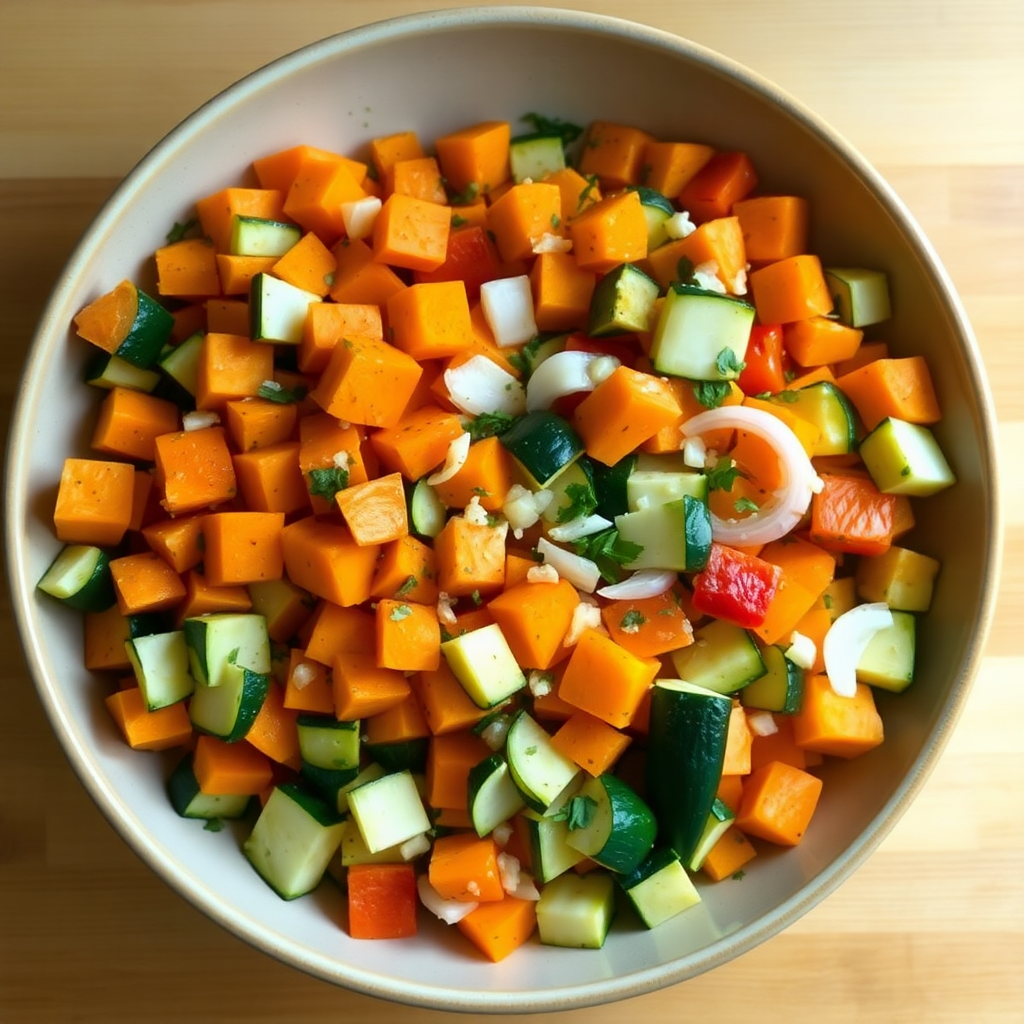
Wash all vegetables and cut into roughly 1cm (½ inch) dice. Carrots, celery, onion, tomatoes, zucchini — keep the sizes uniform so they cook evenly. Small dice is better than large chunks: smaller pieces release more flavor into the broth, and every spoonful captures multiple vegetables.
Step 2: Sauté Onion and Garlic
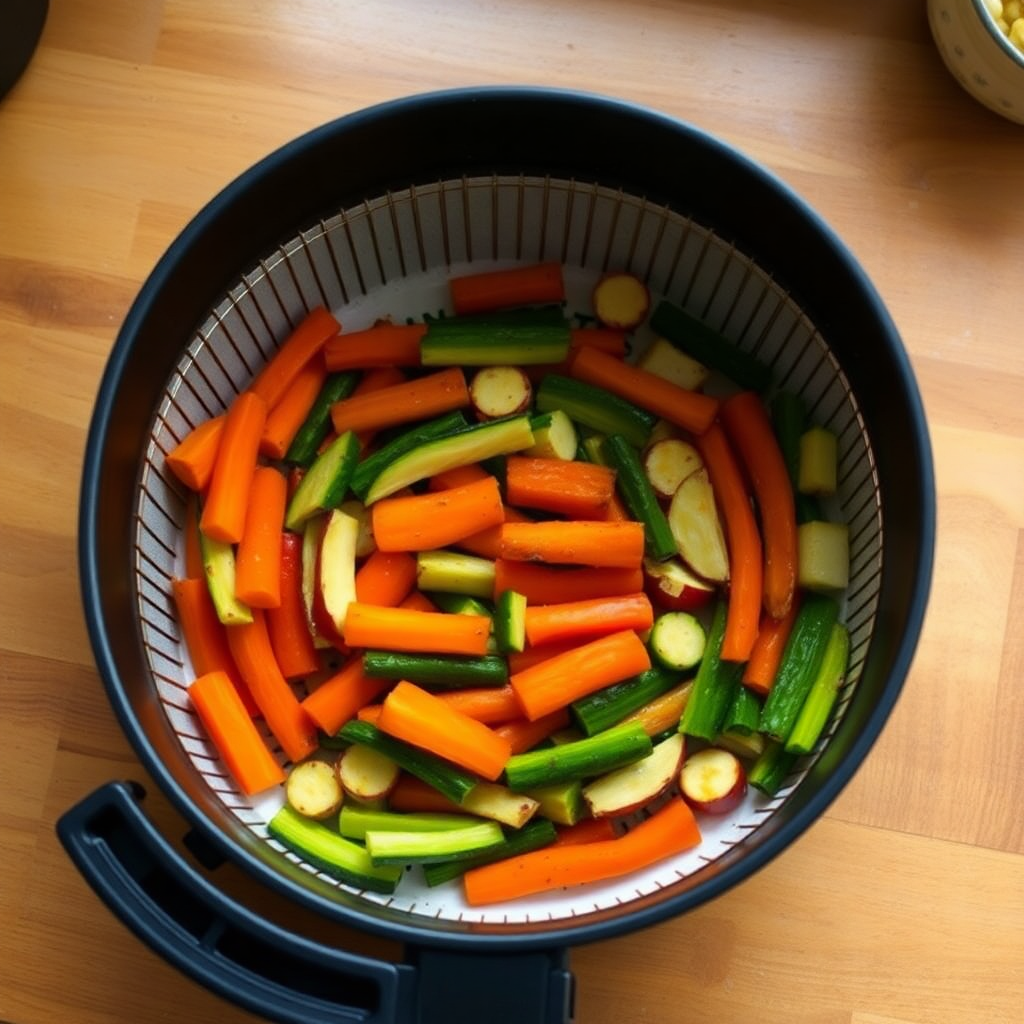
Heat the olive oil in a large pot over medium heat. Add the diced onion and sauté for 3 minutes until translucent. Add the minced garlic and cook for 30 seconds until fragrant. This step builds the flavor foundation — onion and garlic release aromatic compounds into the oil that permeate the entire pot.
Step 3: Add Vegetables and Broth
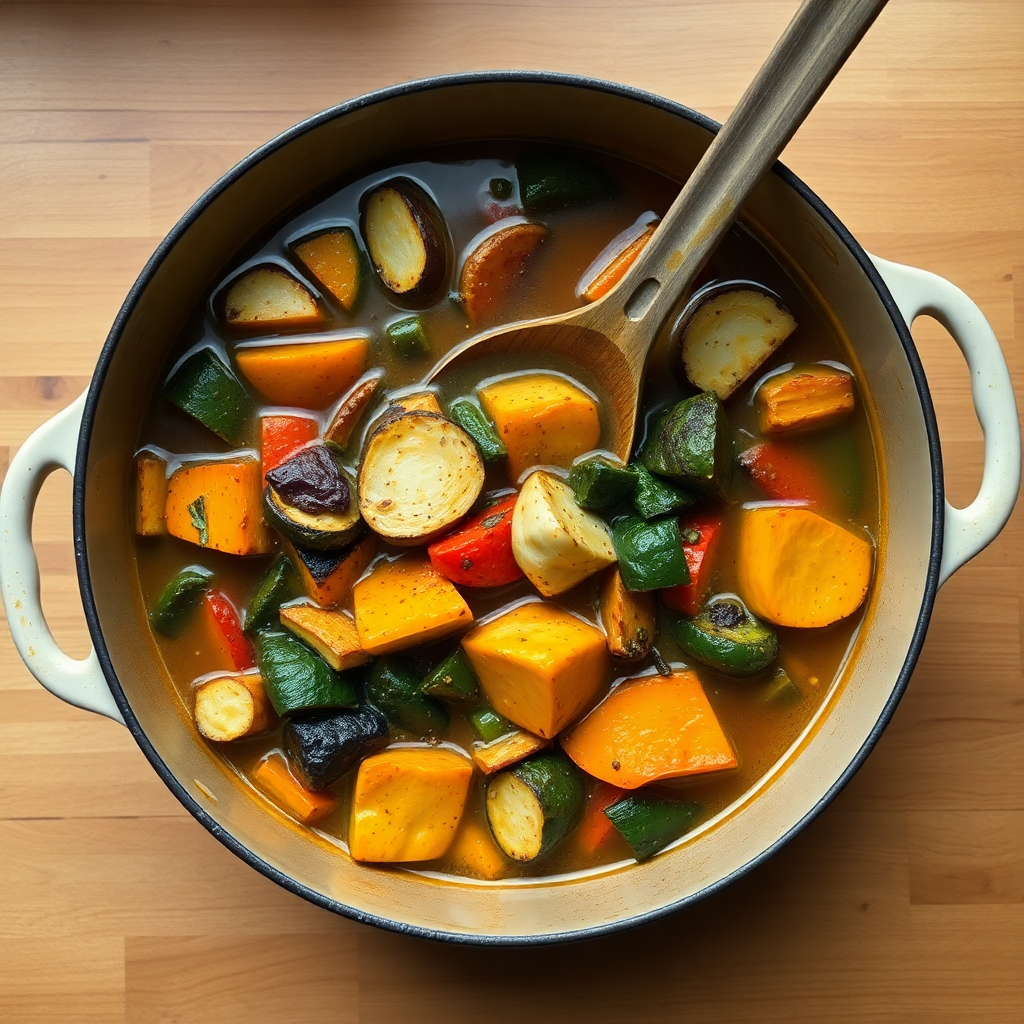
Add the carrots, celery, and tomatoes to the pot. Stir for 2 minutes to coat them in the flavored oil. Pour in the vegetable broth (or water), add the bay leaf, dried oregano, dried basil, salt, and black pepper. Bring to a boil over high heat.
Step 4: Simmer for 25 Minutes
Once boiling, reduce to the lowest heat. Cover with the lid slightly ajar. Simmer for 25 minutes — the vegetables will gradually soften, the tomatoes will dissolve into the broth creating a light reddish hue, and the herbs will release their essential oils. After 25 minutes, add the zucchini dice (zucchini cooks fast and turns mushy if added too early). Continue simmering for 5 more minutes.
Step 5: Serve with Whole Wheat Bread
Turn off the heat. Remove and discard the bay leaf (it’s inedible). Taste — if the soup seems bland, add ¼ teaspoon salt or a few drops of lemon juice to brighten the flavors. Ladle into bowls and serve with a slice of toasted whole wheat bread. Tearing bread and dipping it into the soup is the classic way to eat this.
Pro Tips for the Best Results
Cut vegetables to uniform sizes. 1cm dice is the sweet spot — too small and they dissolve into mush, too large and they don’t cook evenly. Uniformity is the key: if some pieces are bigger than others, the small ones turn to mush while the large ones stay crunchy. Use a sharp knife and take your time — this is the foundation of both appearance and texture.
Add zucchini last. Zucchini is 95% water and has the softest texture of any vegetable in this soup. If you add it at the beginning, it completely dissolves after 25 minutes of simmering — the soup turns cloudy and the zucchini “disappears.” Adding it in the last 5 minutes keeps it intact but still tender.
Tomatoes are the natural seasoning. Tomato acidity stimulates the taste buds, making the soup taste “seasoned” even without salt. Tomatoes also contain high levels of glutamic acid — natural MSG — which provides savory depth. Fresh or canned tomatoes both work; canned tomatoes actually have more intense flavor because the canning process releases more glutamates.
Bay leaf is essential. Bay leaf is the soul of Western-style soups. During simmering, it releases a mild herbal aroma that gives the soup a “simmered for hours” depth. Without bay leaf, the soup tastes like “boiled vegetables.” With it, the soup tastes like “carefully crafted broth.” A small box of bay leaves costs a few dollars and lasts a year — always keep some on hand.
Use acid instead of salt. The biggest challenge of low-sodium cooking is the perception of “blandness.” The solution is acid — lemon juice, apple cider vinegar, or even the natural acidity of tomatoes. Acid stimulates the taste buds the same way salt does, making the soup taste flavorful even when it contains almost no sodium. A squeeze of lemon juice right before serving transforms the entire pot. This is the core technique of professional low-sodium cooking.
Frequently Asked Questions
Can I use other vegetables?
Absolutely. This recipe is a “base version” — you can substitute with any seasonal vegetables. Good additions: pumpkin (sweetness), potatoes (heartiness), cabbage (texture), green peas (protein), or spinach (add in the last 2 minutes). The core principle is: hard vegetables go in first, soft vegetables go in last.
What if I don’t have vegetable broth?
Use water + 1 teaspoon vegetable bouillon powder (look for low-sodium versions). Or just use plain water — the soup will be slightly lighter, but the vegetables’ natural sweetness and the herbs’ aroma are enough to carry the flavor. If using water, add an extra tomato and 1 teaspoon of dried oregano to compensate.
Can I blend it into a creamy soup?
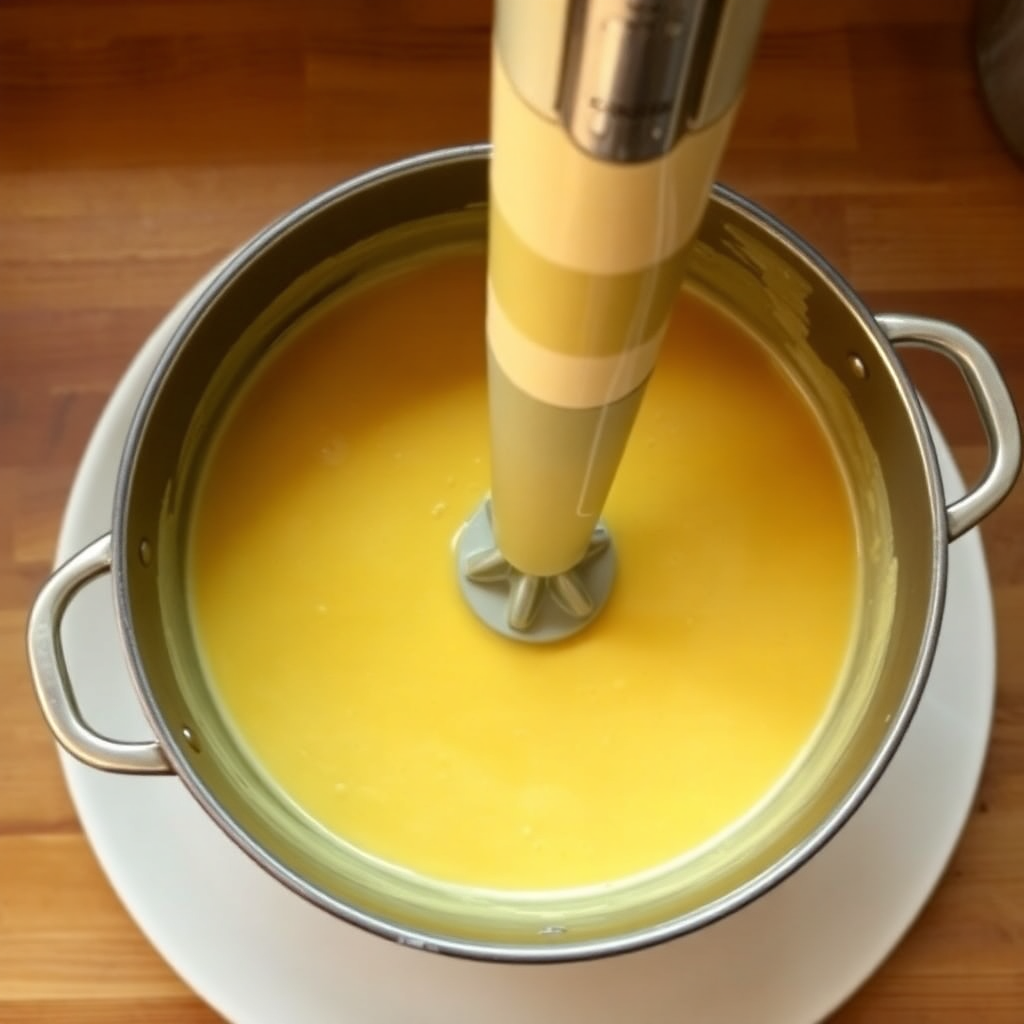
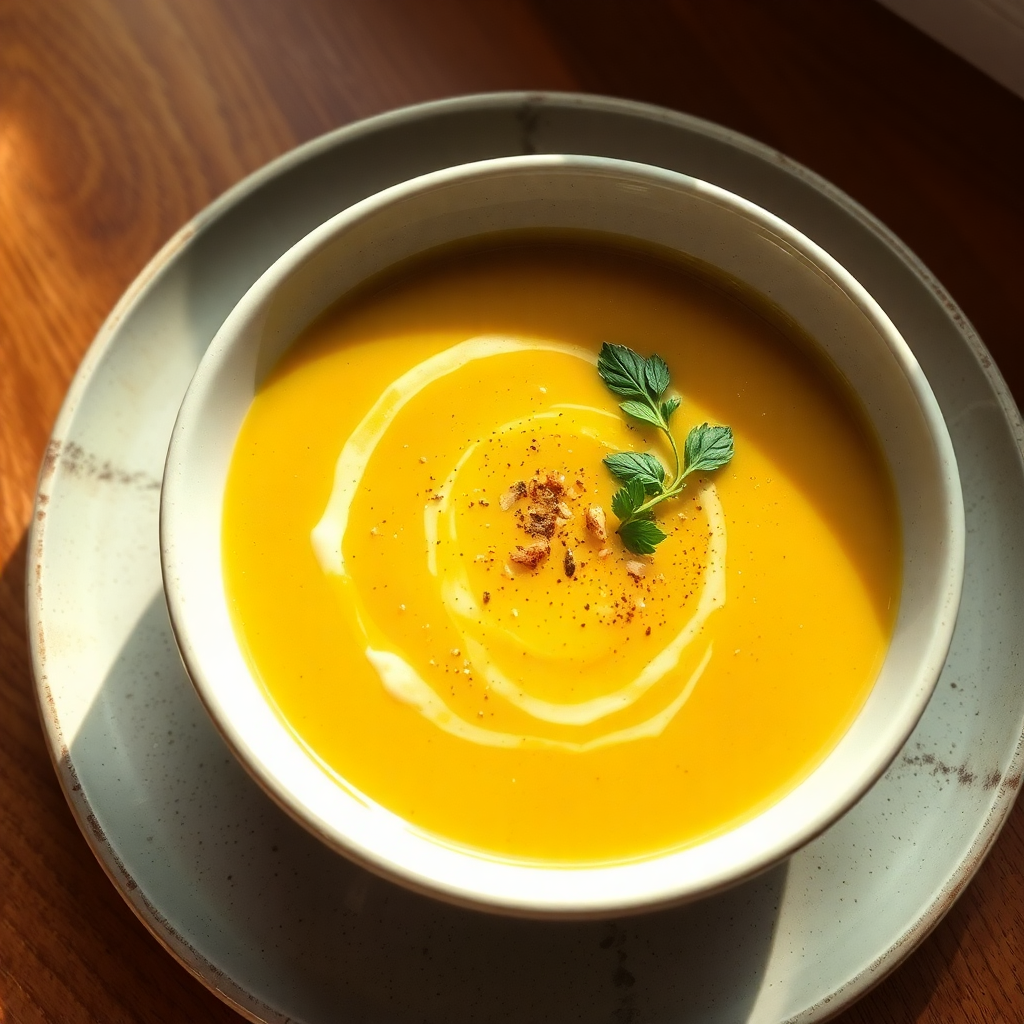
Yes! After cooking, use an immersion blender or stand blender to puree until smooth — this becomes a creamy vegetable soup with completely different character. The texture shifts from “clear broth” to “silky puree,” which pairs beautifully with crusty bread. Note: blending reduces the apparent volume since the vegetable fibers break down, so servings will look smaller.
Is this soup good for weight loss?
Excellent for it. Each bowl is only about 80 calories — almost entirely vegetable fiber and water. A bowl of soup plus a slice of whole wheat bread comes in under 200 calories for a complete meal. The high fiber keeps you full, and there’s no need to worry about overeating. It’s one of the best “soup-as-a-meal” options — healthier, cheaper, and tastier than any meal replacement shake.
More Low Sodium Recipes to Try
If you’re watching your sodium intake, try these:
- Low Sodium Chicken Soup — Heart-healthy chicken soup with clear golden broth
- Homemade Pasta Sauce — Control the sodium in your tomato sauce
- Homemade Stir Fry Sauce — Use low-sodium soy sauce
- Air Fryer Sweet Potato Cubes — Naturally low-sodium side dish
Nutrition Information (Per Bowl, ~¼ Recipe)
| Nutrient | Amount |
|---|---|
| Calories | 80 kcal |
| Protein | 2 g |
| Fat | 3 g |
| Carbohydrates | 12 g |
| Dietary Fiber | 3 g |
| Vitamin A | 1200 mcg |
| Vitamin C | 18 mg |
| Sodium | 230 mg |
_Data source: USDA FoodData Central. Values are approximate._