Low Sodium Chicken Soup
If you’re watching your sodium intake — whether for high blood pressure, heart health, or a doctor’s recommendation — you might think chicken soup is off the menu forever. Low sodium chicken soup proves otherwise. Clear golden broth, tender chicken, sweet crisp vegetables — all without piling on the salt.
The secret isn’t salt substitutes or bland broth. It’s technique: blanching the chicken to remove impurities, simmering gently to keep the broth crystal clear, and letting the natural glutamates from bones and vegetables build a deeply savory flavor that doesn’t need salt to shine.
Why You’ll Love This Recipe
- Only 220mg sodium per bowl. Canned chicken soup packs 800–1,000mg per serving — over 40% of your daily limit. This homemade version uses just ½ teaspoon of kosher salt across the entire pot, bringing each bowl to roughly 220mg. That’s a quarter of the canned stuff, with exponentially better flavor.
- Umami without salt. The savory depth comes from chicken bones and vegetables, which are packed with natural glutamates. Blanching + 40 minutes of gentle simmering = broth that’s clear, sweet, and deeply satisfying. You won’t miss the salt.
- One pot, four bowls. This recipe makes about 4 servings — enough for a family dinner or two days of solo meals. It keeps beautifully in the fridge for 3 days and reheats in minutes.
- Real comfort food. Sick day, cold night, bad mood — a bowl of hot chicken soup is the universal remedy. The low-sodium version lets you enjoy that comfort without any guilt.
Ingredients You’ll Need
- 2 chicken breasts (about 300g, bone-in if possible)
- 1 carrot, cut into chunks
- 2 celery stalks, cut into pieces
- 1 medium onion, cut into large pieces
- 2 garlic cloves, smashed
- 3 slices fresh ginger
- 8 cups water
- 1 tsp black peppercorns (or ½ tsp ground black pepper)
- 2 scallions (white parts for soup, green parts for garnish)
- ½ tsp kosher salt (reduce to ¼ tsp for stricter low-sodium diets)
- 1 tbsp fresh dill or parsley, chopped (optional garnish)
The low-sodium key:** The ½ teaspoon of kosher salt contains about 580mg sodium. Spread across 4 bowls, that’s only 145mg per bowl from the salt itself. Add the natural sodium from chicken (~180mg) and vegetables (~120mg), and you get roughly 220mg total per bowl. If you use regular table salt instead of kosher salt, the sodium doubles — so always choose kosher salt for low-sodium cooking.
How to Make Low Sodium Chicken Soup
Step 1: Prep Chicken and Vegetables
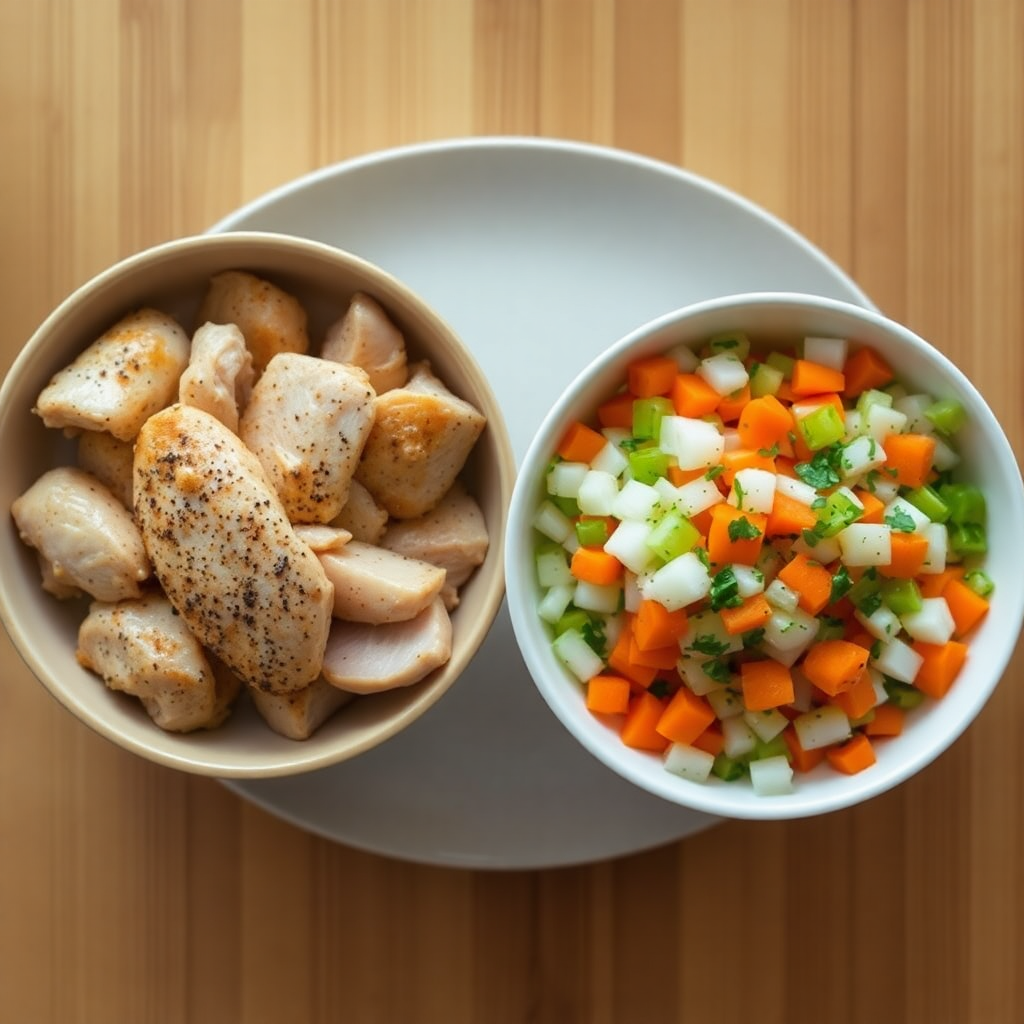
Rinse the chicken breasts. If bone-in, keep the bones — they’re your flavor source. Peel and cut the carrot into rolling chunks, slice the celery, quarter the onion, smash the garlic, and slice the ginger. Nothing needs to be precise here — everything will simmer soft.
Step 2: Blanch the Chicken
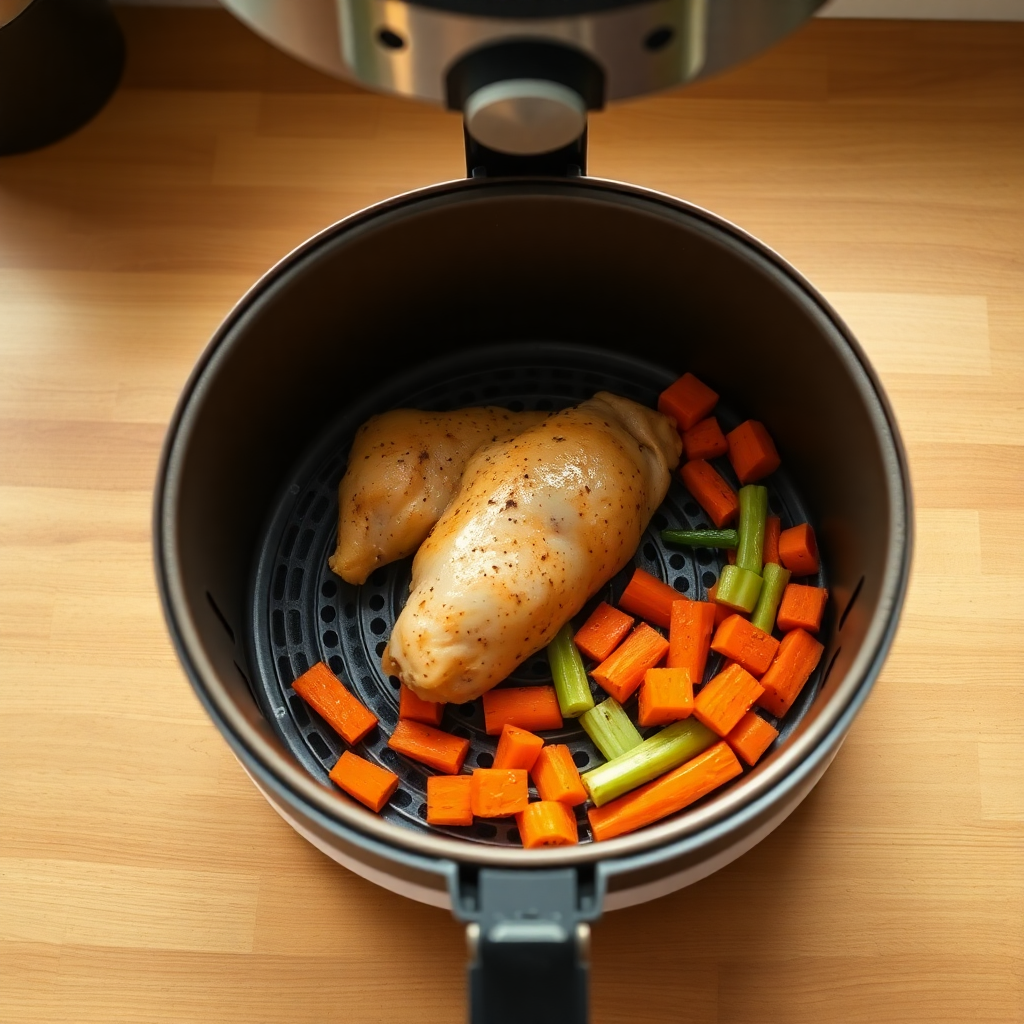
Place the chicken in a large pot and cover with cold water. Bring to a boil over high heat — you’ll see gray foam rise to the surface. This foam is coagulated protein and blood that will make your broth cloudy and fishy-smelling. Remove the chicken, discard the water, and rinse the pot clean. This step is called blanching, and it’s the secret to crystal-clear broth.
Step 3: Add Vegetables and Water
Return the blanched chicken to the clean pot. Add the carrot, celery, onion, garlic, ginger, black peppercorns, and scallion whites. Pour in 8 cups of cold water. Bring to a boil over high heat.
Step 4: Simmer Gently for 40 Minutes
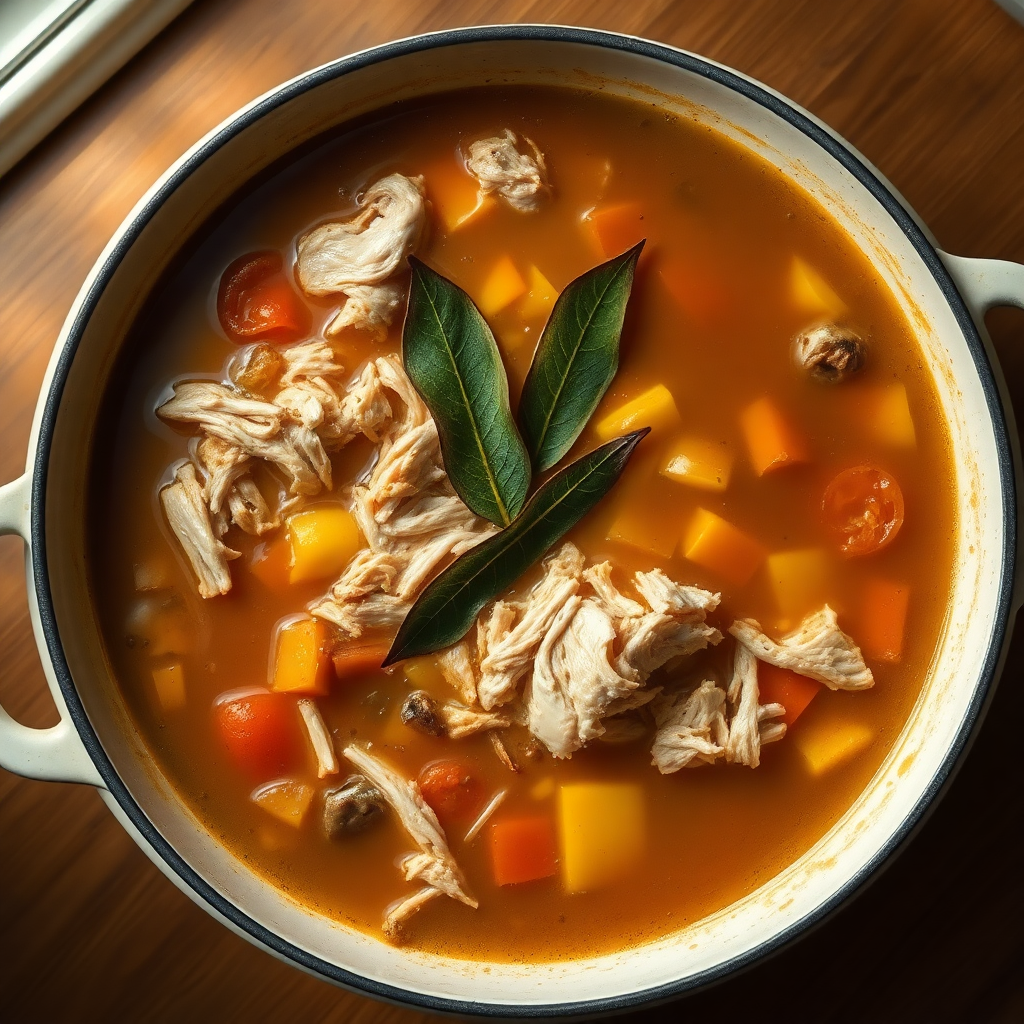
Once boiling, reduce to the lowest heat. Cover with the lid slightly ajar. Simmer for 40 minutes — the surface should barely ripple, not roll. Gentle simmering is the secret to clear broth: high heat emulsifies fat and protein, making it cloudy. Low heat lets impurities sink and keeps the broth golden and transparent.
Step 5: Serve and Garnish
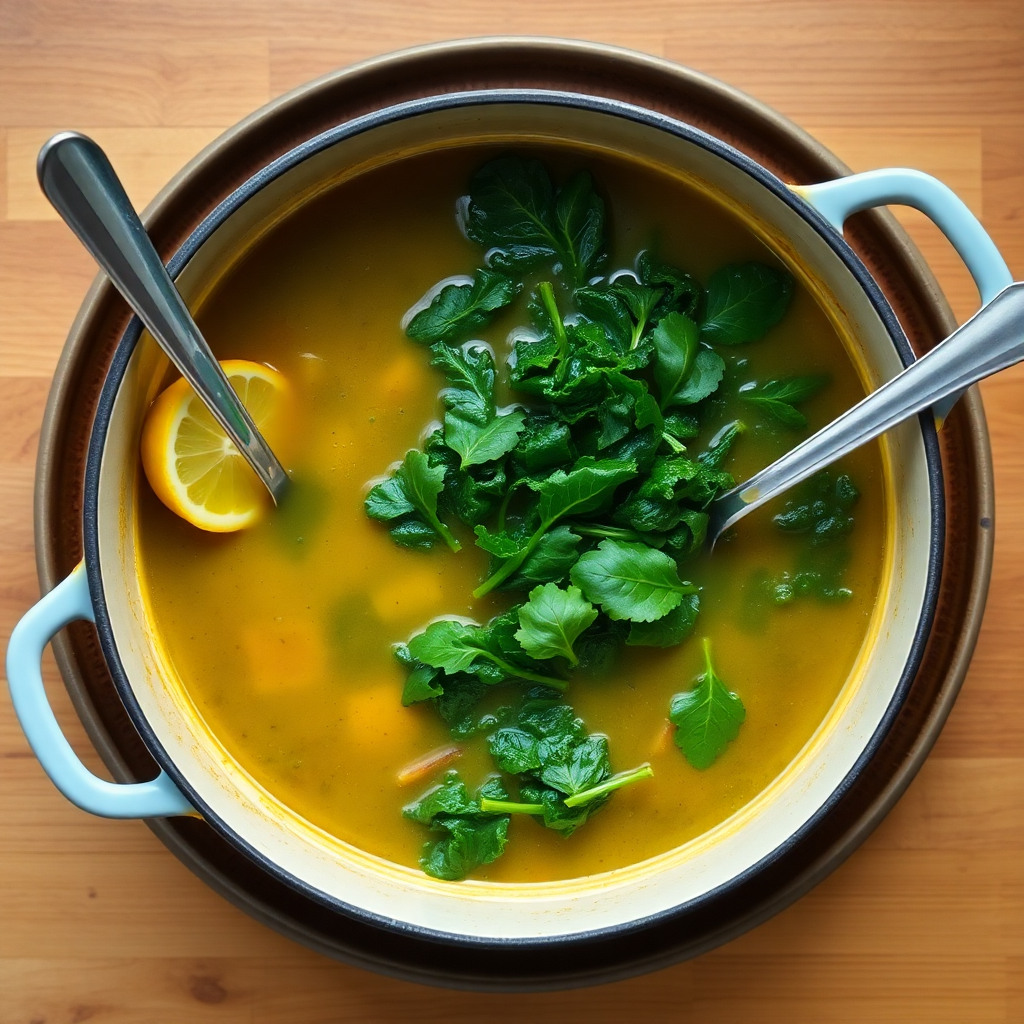
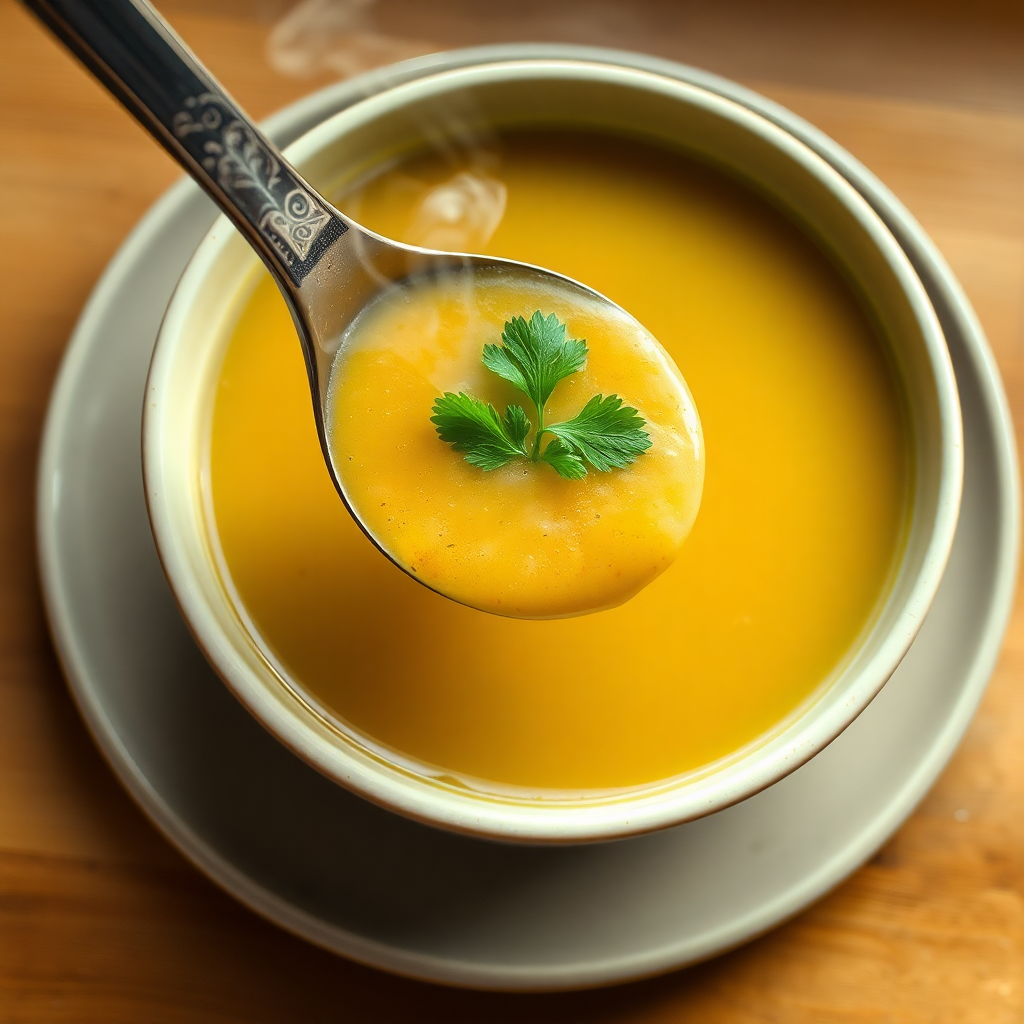
After 40 minutes, pierce the thickest part of the chicken with chopsticks — it should go through easily with clear juices. Remove the chicken, let it cool slightly, then shred into bite-sized pieces. Strain the broth through a fine mesh sieve into another pot (this removes vegetable debris and keeps the soup pristine). Return the shredded chicken to the broth. Taste, and add salt if needed (¼ teaspoon for low-sodium diets). Ladle into bowls and garnish with scallion greens and fresh dill.
Pro Tips for the Best Results
Blanching is non-negotiable for clear broth. Blanching removes surface blood and coagulated proteins, keeping the broth golden and clean. Skip it and you’ll get gray, cloudy, fishy soup. Always start blanching with cold water — not hot — so the chicken heats gradually from the inside out, allowing all the blood to seep out.
Simmer, don’t boil. Boiling causes the broth to roll, which emulsifies fat and protein — giving you a milky, opaque broth (like Japanese tonkotsu ramen). Gentle simmering lets fat and impurities float to the top for skimming — giving you a crystal-clear, golden broth. Both styles have merit, but for low-sodium soup, clarity matters: clear broth has a purer flavor that doesn’t need salt to taste good.
Bone-in chicken is more flavorful. If possible, use bone-in chicken breasts or thigh bones. Bones contain collagen and glutamic acid, which release into the broth during simmering — this is natural MSG. Pure boneless chicken breast lacks depth and needs more salt to compensate.
Vegetables provide natural sweetness. Carrots and onions contain natural sugars that dissolve into the broth during simmering — this is one reason the soup tastes good without salt. If the broth seems bland, don’t reach for the salt shaker. Try adding another carrot or half an onion and simmering 10 more minutes. The natural sweetness makes the soup taste more seasoned than it is.
Ginger is the secret weapon. Three slices of fresh ginger provide a spicy aromatic kick that completely replaces salt’s role in “seasoning” the broth. Ginger stimulates the tongue, making you perceive the soup as flavorful even without salt. This is Asian low-sodium wisdom — using ginger, scallion, and pepper instead of salt to build flavor.
Frequently Asked Questions
Is the sodium really that low?
It depends on your salt choice. With kosher salt: ½ tsp ≈ 580mg sodium + chicken ~180mg + vegetables ~120mg = ~880mg total, divided by 4 bowls = ~220mg per bowl. With regular table salt: ½ tsp ≈ 1,170mg sodium + chicken 180mg + vegetables 120mg = ~1,470mg total, ~370mg per bowl. Both are far below canned soup (800–1,000mg per bowl). Kosher salt is strongly recommended for the best low-sodium results.
Can I use a whole chicken?
Yes, and it’s even better. Half a chicken (about 1kg) with bones and skin has the richest flavor. Extend the simmering time to 60 minutes. After cooking, remove all the meat for shredding and discard the bones and skin (too much skin makes the broth greasy). Whole chicken broth is significantly more savory than breast-only broth.
The soup tastes too bland. What do I do?
Don’t add salt right away. Try these first: ① Add 2 more ginger slices and simmer 10 minutes; ② Add 1 teaspoon low-sodium soy sauce (more umami than plain salt); ③ Add ¼ teaspoon white pepper; ④ Drizzle in a few drops of sesame oil. The key to low-sodium cooking is using acid, spice, and aroma to replace salt — lemon juice, vinegar, pepper, ginger, and garlic are all excellent allies.
Can I freeze this soup?
Absolutely. Chicken soup freezes beautifully. Cool completely, then transfer to freezer-safe bags or containers and freeze for up to 3 months. Reheat directly from frozen in a pot over low heat. For best quality, freeze the broth and shredded chicken separately — chicken texture degrades slightly after freezing, but the broth alone stays perfect.
More Low Sodium Recipes to Try
If you’re watching your sodium intake, try these:
- Low Sodium Vegetable Soup — Another heart-healthy soup, packed with colorful vegetables
- Homemade Pasta Sauce — Control the sodium in your tomato sauce
- 15-Minute Chicken Stir Fry — Use low-sodium soy sauce for a quick dinner
- Air Fryer Salmon Fillet — Naturally low-sodium seafood
Nutrition Information (Per Bowl, ~¼ Recipe)
| Nutrient | Amount |
|---|---|
| Calories | 120 kcal |
| Protein | 18 g |
| Fat | 3 g |
| Carbohydrates | 6 g |
| Dietary Fiber | 2 g |
| Sodium | 220–370 mg |
| Potassium | 350 mg |
_Data source: USDA FoodData Central. Values are approximate._