15-Minute Chicken Stir Fry
When the workday ends and the takeout menu is already in your hand, 15-minute chicken stir fry changes the equation. This is faster than delivery, healthier than restaurant food, and tastes better than both. One pan, six ingredients, and dinner is on the table before the delivery driver would even be leaving the restaurant.
The secret is high heat and fast movement. The wok or skillet does the work — you just slice, toss, and sauce. Bell peppers stay crisp, broccoli keeps its crunch, and chicken develops those savory browned edges that only come from proper stir-frying.
Why You’ll Love This Recipe
- Fifteen minutes, genuinely. From slicing the chicken to plating the finished stir fry, the entire process takes fifteen minutes. That assumes you are moving with purpose, but it is a realistic fifteen minutes — not the kind where half the time is spent waiting for water to boil.
- One pan, minimal cleanup. One skillet or wok handles the entire recipe. No side pots, no separate saucepans, no pile of dishes in the sink. Cook, plate, and wash one pan. That is the kind of weeknight math everyone can appreciate.
- Complete protein and vegetables in one dish. Chicken delivers more than 25 grams of protein per serving. Bell peppers and broccoli add vitamins, fiber, and color. One dish is a complete meal — no sides required, though rice on the side is never a bad idea.
- Takeout flavor with home-cooked control. The high heat gives you the same “wok hei” (breath of the wok) that makes takeout so addictive. But you control the oil, the salt, and the ingredients. Using low-sodium soy sauce cuts the sodium to about half of what you get from a typical takeout order.
- 10.5 ounces chicken breast, sliced into thin strips
- 1/2 red bell pepper, cut into strips
- 1/2 yellow bell pepper, cut into strips
- 1 cup small broccoli florets
- 2 cloves garlic, minced
- 1 small piece fresh ginger, minced (about 1 teaspoon)
- 2 tablespoons cooking oil, divided
Ingredients You’ll Need
For the stir fry sauce (mix ahead):
- 2 tablespoons low-sodium soy sauce
- 1 tablespoon oyster sauce
- 1 teaspoon cornstarch
- 1/2 teaspoon granulated sugar
- 2 tablespoons water
For the chicken marinade:
- 1 teaspoon low-sodium soy sauce
- 1 teaspoon cornstarch
- A few drops of cooking oil
Slice the chicken against the grain. Chicken breast has long muscle fibers. Slicing with the grain gives you stringy, tough pieces. Slicing against the grain (perpendicular to the fiber direction) shortens those fibers and gives you tender, bite-sized strips. Freeze the chicken for 15 minutes beforehand — the firmer texture makes it much easier to slice thinly and evenly.
How to Make 15-Minute Chicken Stir Fry
Step 1: Slice the Chicken and Marinate
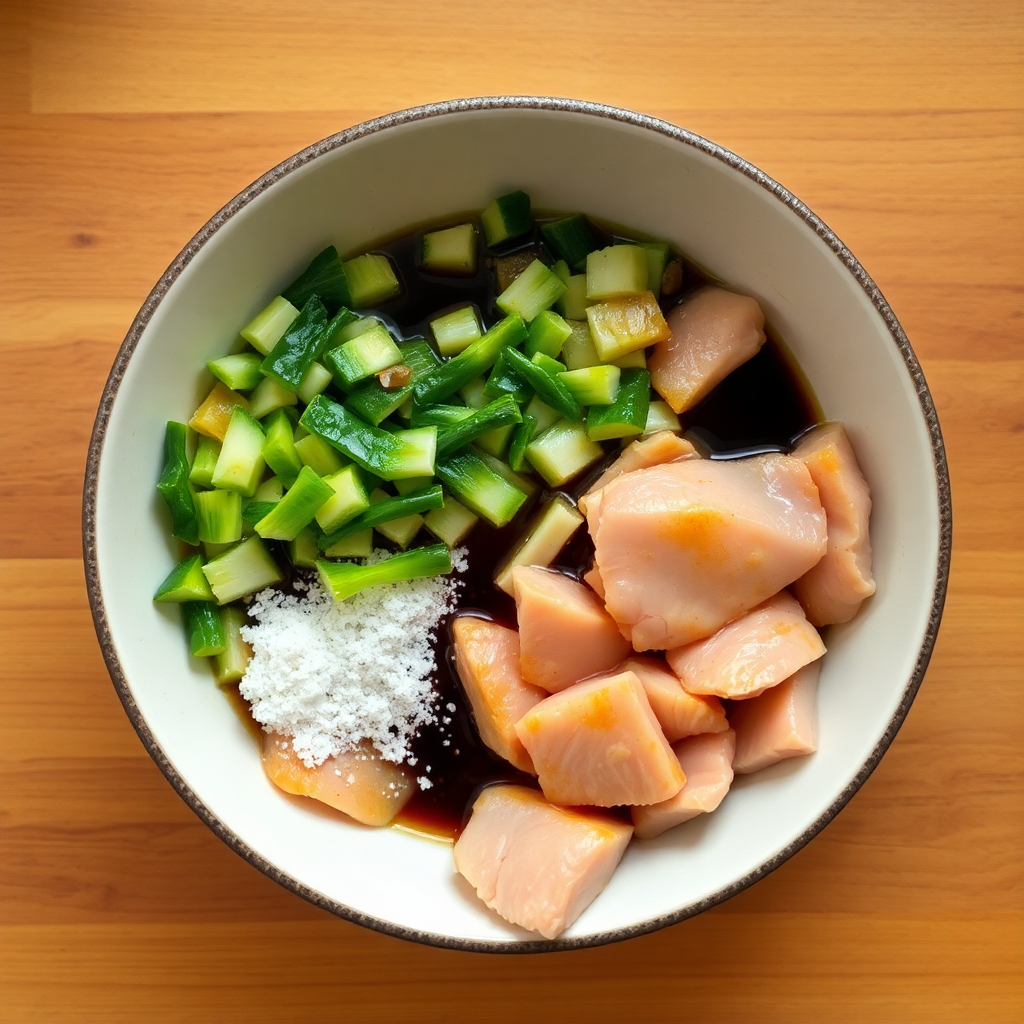
Slice the chicken breast into thin strips about 1/4 inch thick, cutting against the grain. In a small bowl, toss the chicken with 1 teaspoon soy sauce, 1 teaspoon cornstarch, and a few drops of oil. Let it sit for 5 minutes while you prep the vegetables. The cornstarch forms a thin protective coating that locks in juices and keeps the chicken tender.
Step 2: Sear the Chicken Over High Heat
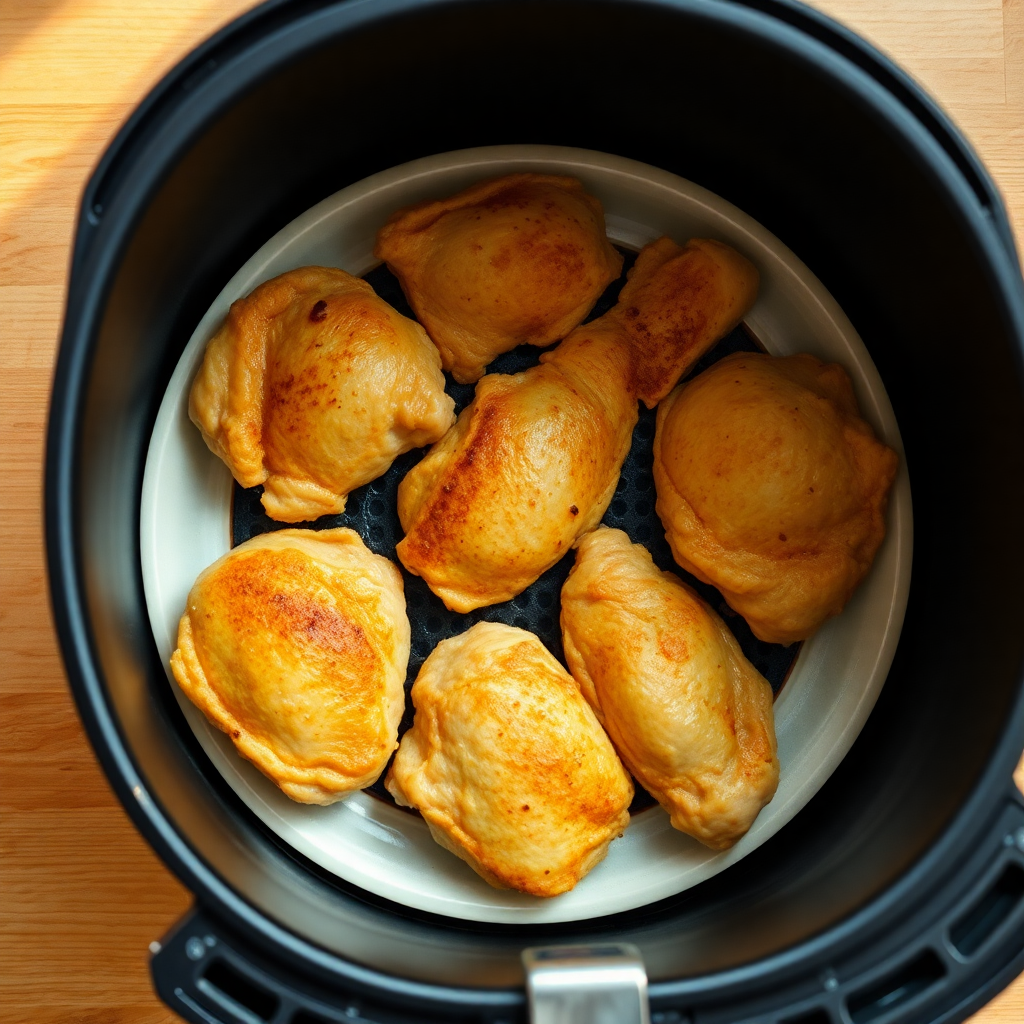
Heat a wok or large skillet over high heat until it just begins to smoke. Add 1 tablespoon of oil. When the oil shimmers, add the chicken in a single layer. Let it sear for about 2 minutes without moving it — this develops browning and flavor. Flip and cook for another minute until the chicken is mostly white and just barely pink inside. Remove to a plate. It will finish cooking later when added back to the pan.
Step 3: Stir-Fry the Vegetables
Add the remaining 1 tablespoon of oil to the same pan — no need to wash it. Add the minced garlic and ginger and sizzle for 10 seconds until fragrant but not browned. Add the bell pepper strips and broccoli florets. Stir-fry over high heat for 2 to 3 minutes. The vegetables should look brighter in color, slightly wrinkled at the edges, and still crisp — not soft or mushy.

Step 4: Pour in the Stir Fry Sauce
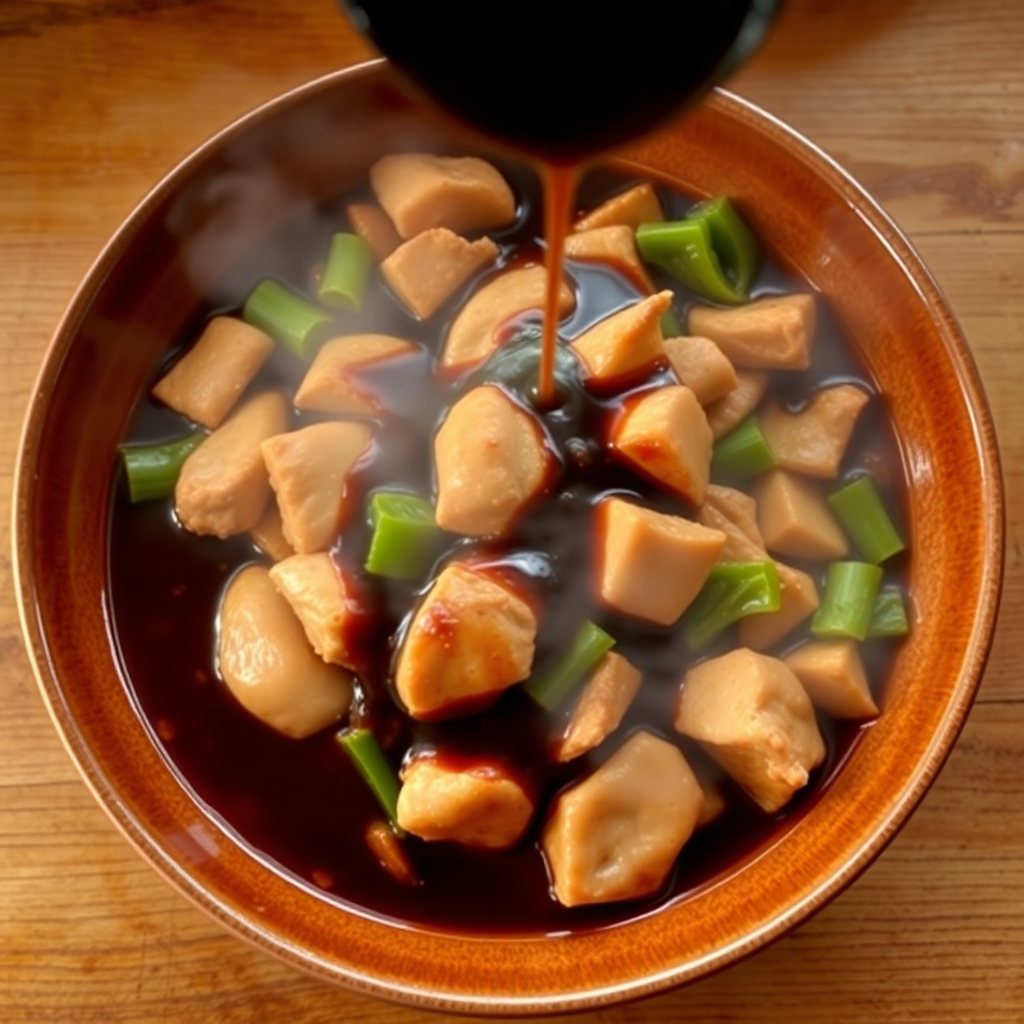
Give the pre-mixed sauce a quick stir — the cornstarch settles at the bottom — and pour it evenly over the vegetables. Stir-fry for 30 seconds. The sauce hits the hot pan and thickens almost immediately, turning glossy and coating every piece of chicken and vegetable. You will see the moment it transforms from “dry-fried” to “glossy and sauced.”
Step 5: Plate and Serve
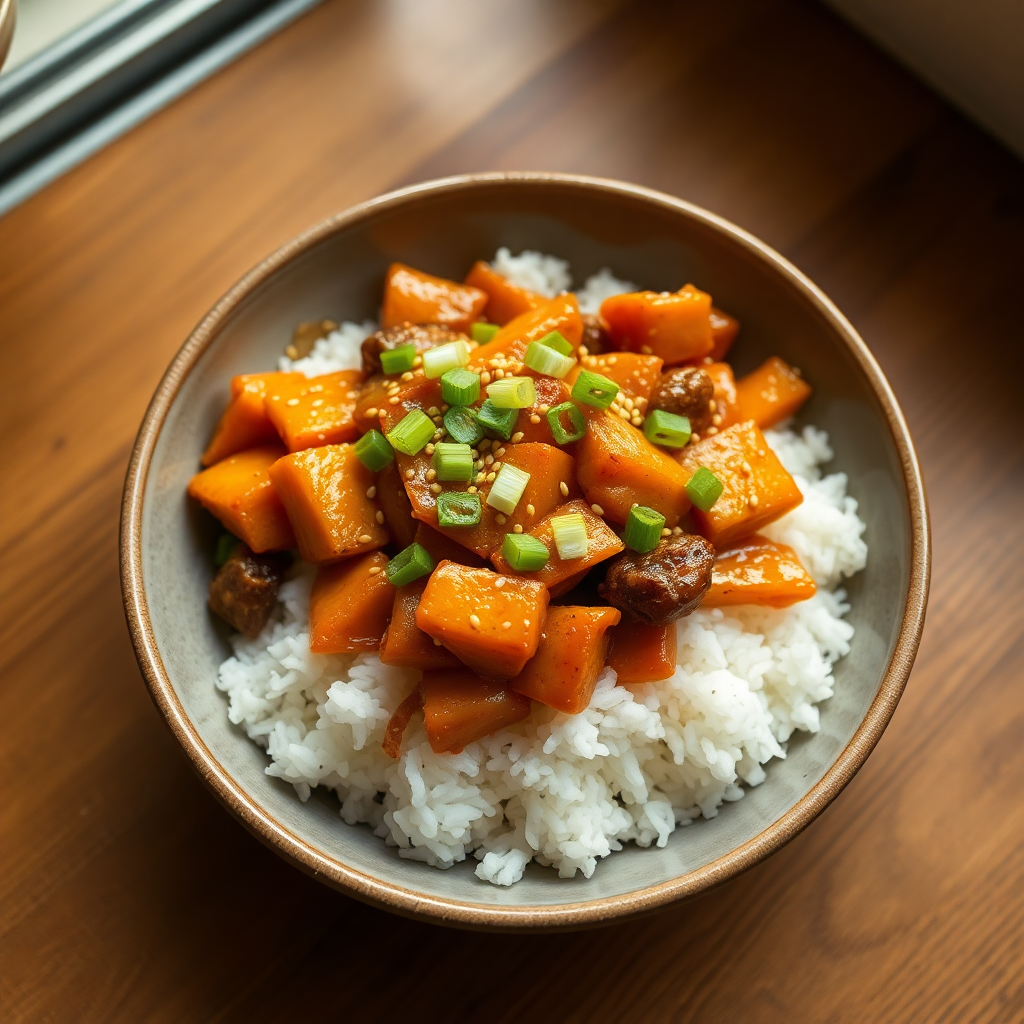
As soon as the sauce coats everything, turn off the heat and plate immediately. Arrange the stir fry so the red, yellow, and green colors show — presentation matters even for a weeknight dinner. Serve hot over steamed rice. The glossy sauce drips into the rice and makes every bite flavorful.
Pro Tips for the Best Results
High heat is everything. Stir-frying is defined by high heat — the pan should be at least 400°F. On a home gas stove, use the highest burner setting and let the pan get visibly hot before adding oil. On an electric stove, use the highest power setting. If the heat is too low, vegetables steam instead of sear, chicken releases water instead of browning, and the whole dish tastes flat.
Do not overcook the chicken on the first pass. Cook the chicken in two stages: sear it until about 70 percent done, remove it, then add it back at the end to finish in the sauce. If you cook it all the way through on the first pass, it will be overcooked by the time the sauce goes on. Seventy percent done means white on the outside, barely pink on the inside — the residual heat finishes it later.
Add vegetables in order of hardness. If you use multiple vegetables, start with the hardest ones (broccoli, carrots) and end with the softest (bell peppers, bean sprouts). This way the hard vegetables get enough time to cook while the soft ones stay crisp. Blanching broccoli in the microwave for 1 minute before adding it to the wok also speeds things up.
Mix the sauce ahead every time. Have all the liquid ingredients plus cornstarch plus water mixed in a small bowl before you turn on the stove. There is no time to measure and pour individual bottles once the wok is hot — things will burn while you are fumbling with soy sauce bottles. Mix once, pour once, 3 seconds and done.
Cornstarch is the secret weapon. That 1 teaspoon of cornstarch in the sauce is what transforms it from a thin, pooling liquid into a glossy coating that clings to every surface. Without it, the sauce runs to the bottom of the plate and the food tastes under-seasoned. With it, every piece of chicken and vegetable glistens and tastes complete.
Frequently Asked Questions
Can I use chicken thighs instead of chicken breast?
Yes, and many people prefer thighs because they stay juicier and are harder to overcook. Thighs have more fat, which means more flavor but also more calories. Use boneless, skinless thighs and cut them into small pieces. The cooking time is the same. Breast meat is leaner and higher in protein, which makes it the better choice for anyone watching calories or fat intake.
What if I don’t have a wok?
A large skillet works, though it is not quite the same. A wok’s curved shape concentrates heat at the bottom and gives you room to toss ingredients without spilling. A skillet has a flat bottom and lower sides, which means ingredients spread out more and tossing is harder. Use the largest skillet you have, don’t overcrowd it, and use a spatula to keep things moving rather than tossing.
Can I prep the ingredients ahead of time?
Absolutely, and it makes a big difference. Slice the chicken and marinate it up to a day ahead — store it covered in the refrigerator. Chop the vegetables 2 to 3 hours ahead and store them in airtight containers in the fridge. When it is time to cook, you turn on the stove and start stir-frying immediately. Do not mix the sauce ahead with cornstarch — the starch settles and clumps. Mix the sauce right before cooking.
Is this recipe good for meal prep?
It is excellent for meal prep. Chicken stir fry keeps in the refrigerator for up to 3 days and reheats well in the microwave for about 2 minutes. The vegetables will be slightly softer after reheating but the flavor stays the same. Make a double batch and pack it for lunch — add a portion of rice and you have a complete meal ready to go.
Nutrition Information (Per Serving, about 1/3 of recipe, without rice)
| Nutrient | Amount |
|---|---|
| Calories | 220 kcal |
| Protein | 28 g |
| Fat | 8 g |
| Carbohydrates | 10 g |
| Fiber | 3 g |
| Sodium | 580 mg |
Data source: USDA FoodData Central
More Quick Meals You’ll Love
- 10-Minute Lunch Ideas — Five even faster lunch options
- Garlic Butter Shrimp — A seafood stir fry ready in the same time
- 5-Ingredient Pasta Dinner — A pasta version of a quick weeknight meal
- Homemade Stir Fry Sauce — Make a batch ahead and stir fry even faster