⚠️ Kitchen Safety
- Stovetop and oven surfaces get very hot — use oven mitts and keep pot handles turned inward to avoid knocks.
- Keep a clean, dry workspace; watch sharp knives and hot oil to prevent cuts and burns.
- Always read your appliance manual before first use.
⚠️ Kitchen Safety
- Stovetop and oven surfaces get very hot — use oven mitts and keep pot handles turned inward to avoid knocks.
- Keep a clean, dry workspace; watch sharp knives and hot oil to prevent cuts and burns.
- Always read your appliance manual before first use.
Sheet Pan Salmon
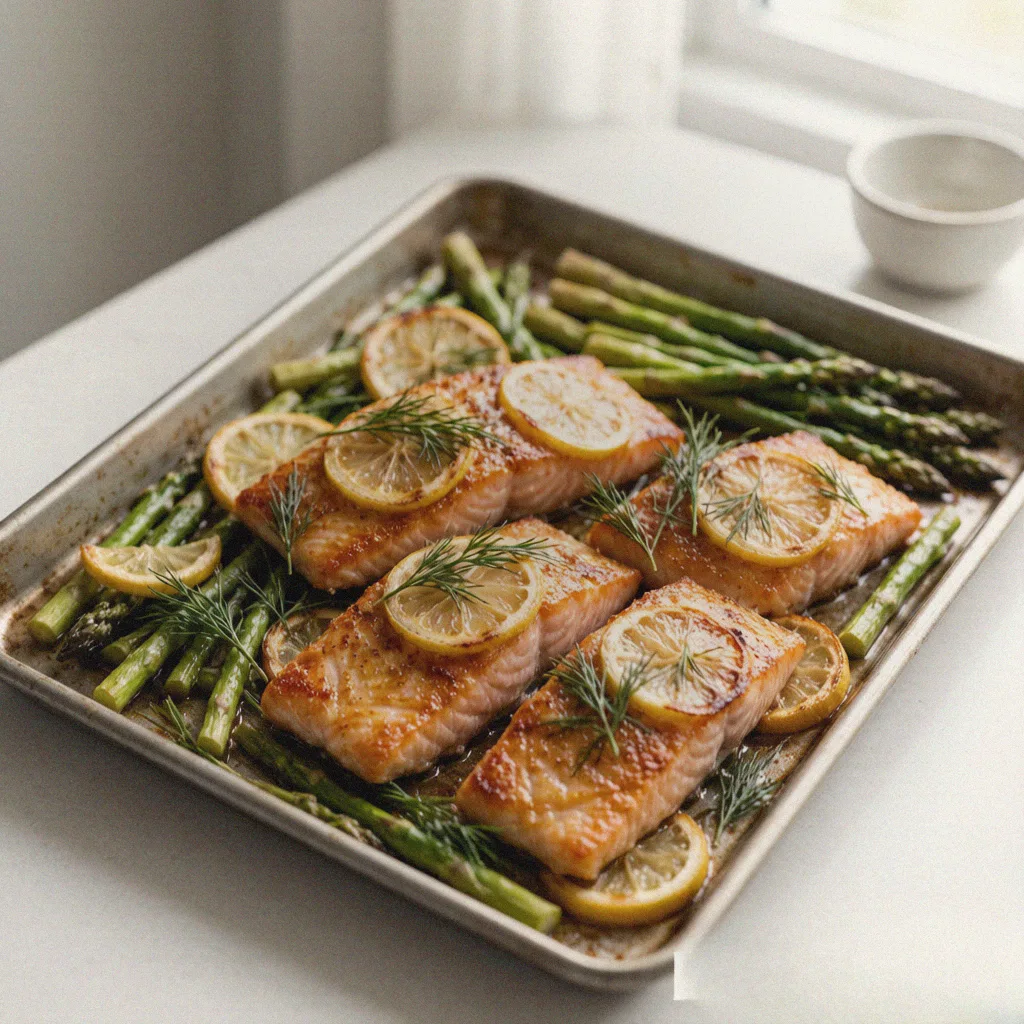
Sheet pan salmon is the oven dinner that almost never fails: one salmon fillet, a few asparagus spears, a couple of lemon slices, all on one pan, and 20 minutes later you have a complete, good-looking, healthy dinner. It is also our family’s favorite “one and done” weeknight fix — you wash a single sheet pan and you are done.
Why You’ll Love This Recipe
- One pan, done: protein and veggies roast together, no second pan, barely any cleanup.
- 20 minutes to the table: from preheat to plate in 20 minutes, perfect for busy nights.
- Health first: rich in omega-3, low in oil and salt, flavor from lemon and dill.
- Hard to mess up: salmon’s fat keeps it forgiving, so even beginners rarely dry it out.
Ingredients You’ll Need
| Ingredient | Amount (2 servings) |
|---|---|
| Salmon fillets (skin on) | 2 pieces (~250g each) |
| Asparagus | 1 bunch (~200g), woody ends trimmed |
| Lemon | 1, sliced thin |
| Olive oil | 1.5 tbsp |
| Fresh dill (or dried dill) | 1 tbsp chopped / 1 tsp |
| Garlic | 2 cloves, sliced |
| Black pepper | to taste |
| Salt | 1/4 tsp |
Substitution tip: Swap asparagus for broccoli or green beans (adjust time slightly); swap salmon for cod (minus 3 minutes, cooks faster); for a salt-free version, skip the salt and use lemon zest for aroma.
How to Make Sheet Pan Salmon
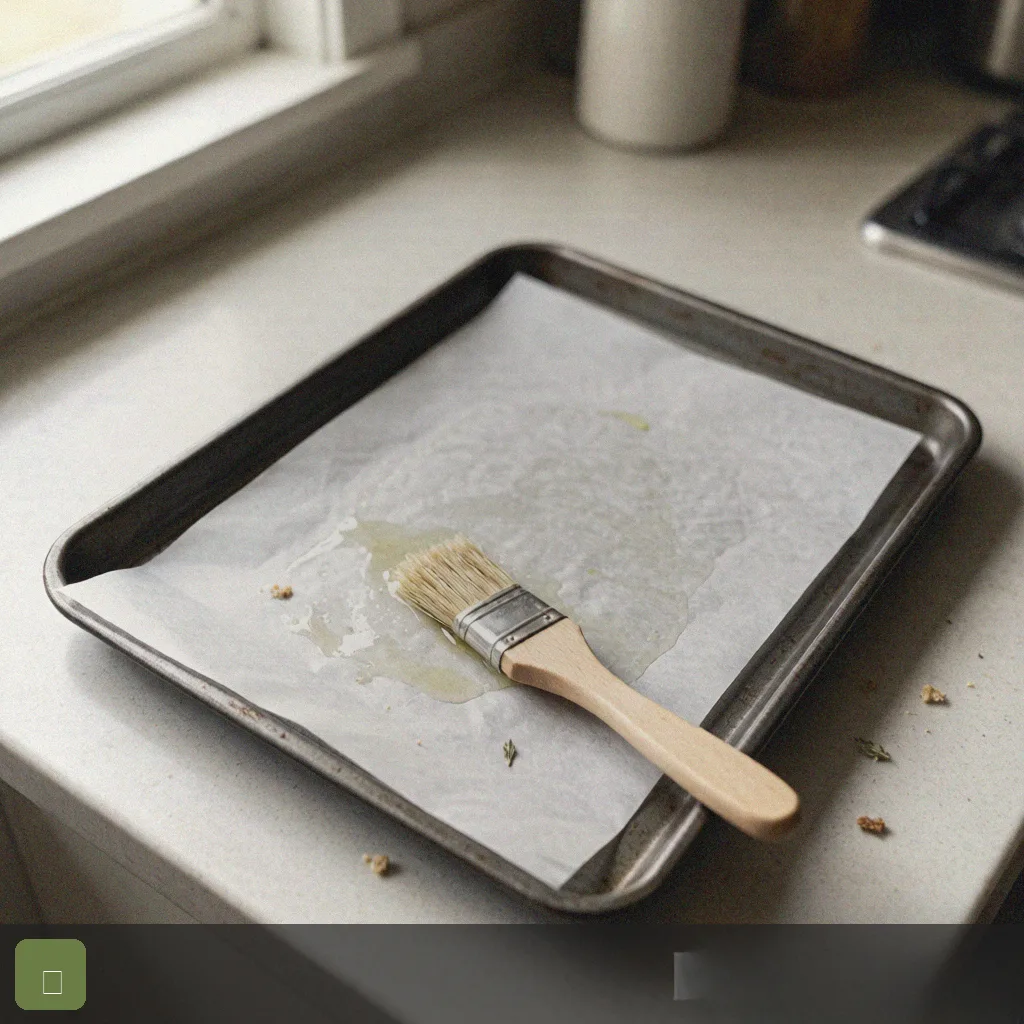
Step 1: Preheat and prep the pan
Set the oven to 200°C (400°F) and preheat. Line the sheet pan with parchment and brush lightly with oil to prevent sticking. This step makes cleanup almost zero.
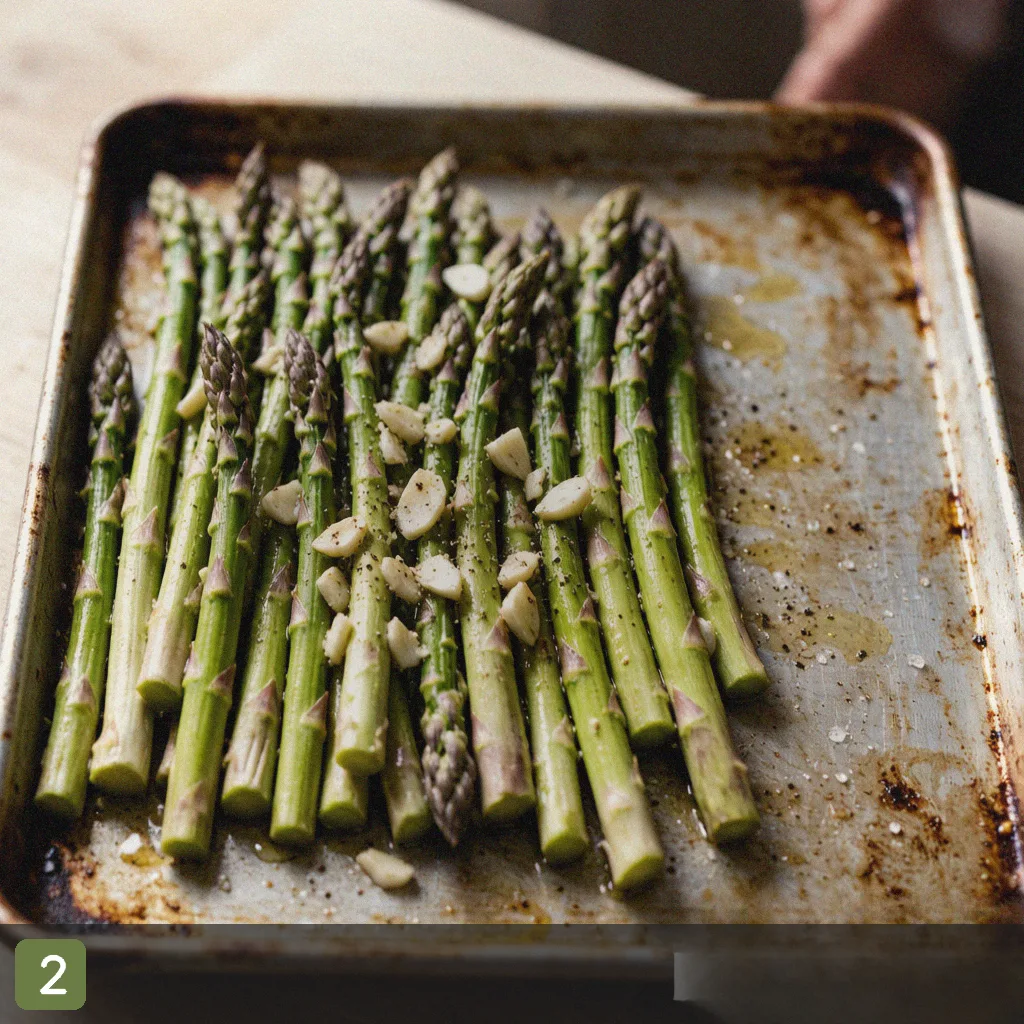
Step 2: Arrange the vegetables
Lay asparagus on one side of the pan, drizzle with a little olive oil, and add black pepper and sliced garlic. Toss so every spear is coated. A single layer is what gives the veggies char instead of steaming.
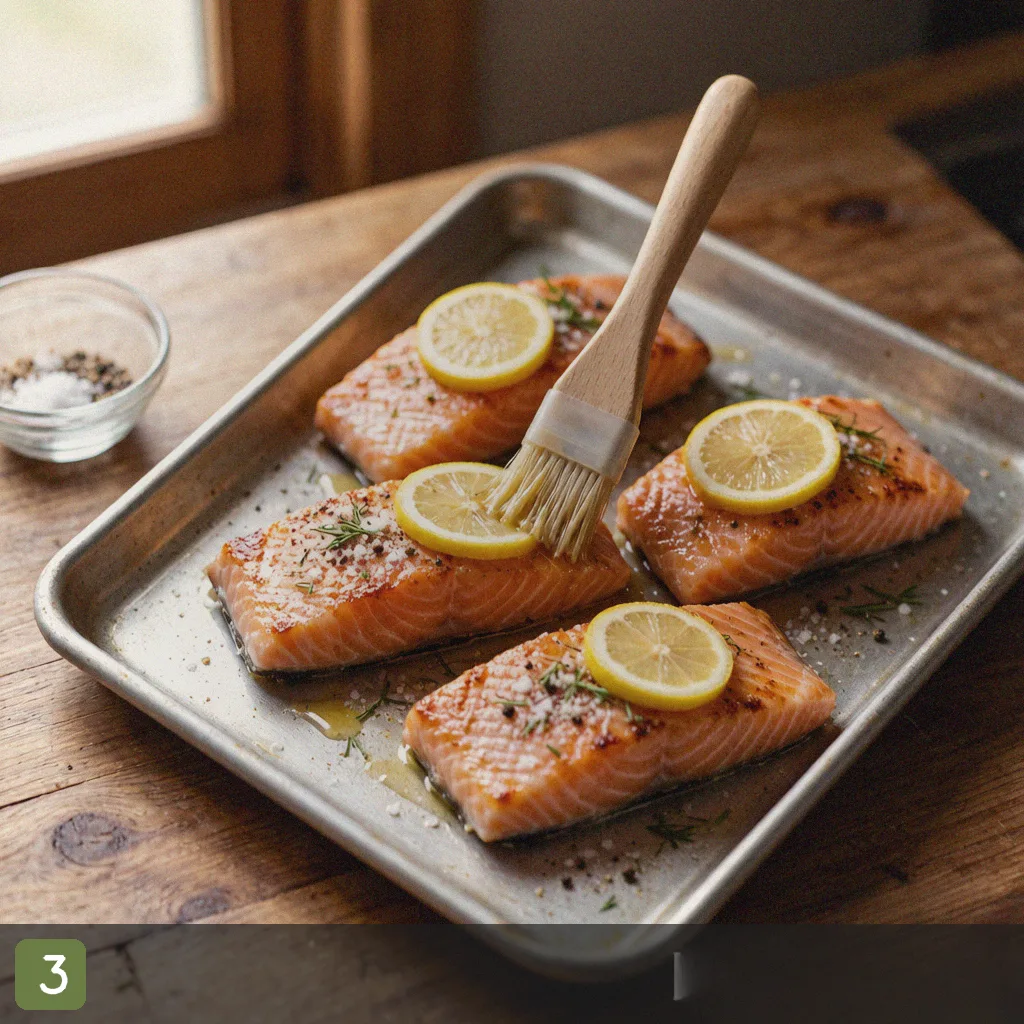
Step 3: Add the salmon
Place the salmon skin-side down on the other side of the pan. Brush the top with olive oil, then season with salt, black pepper, and dill. Lay two lemon slices on top of each fillet.
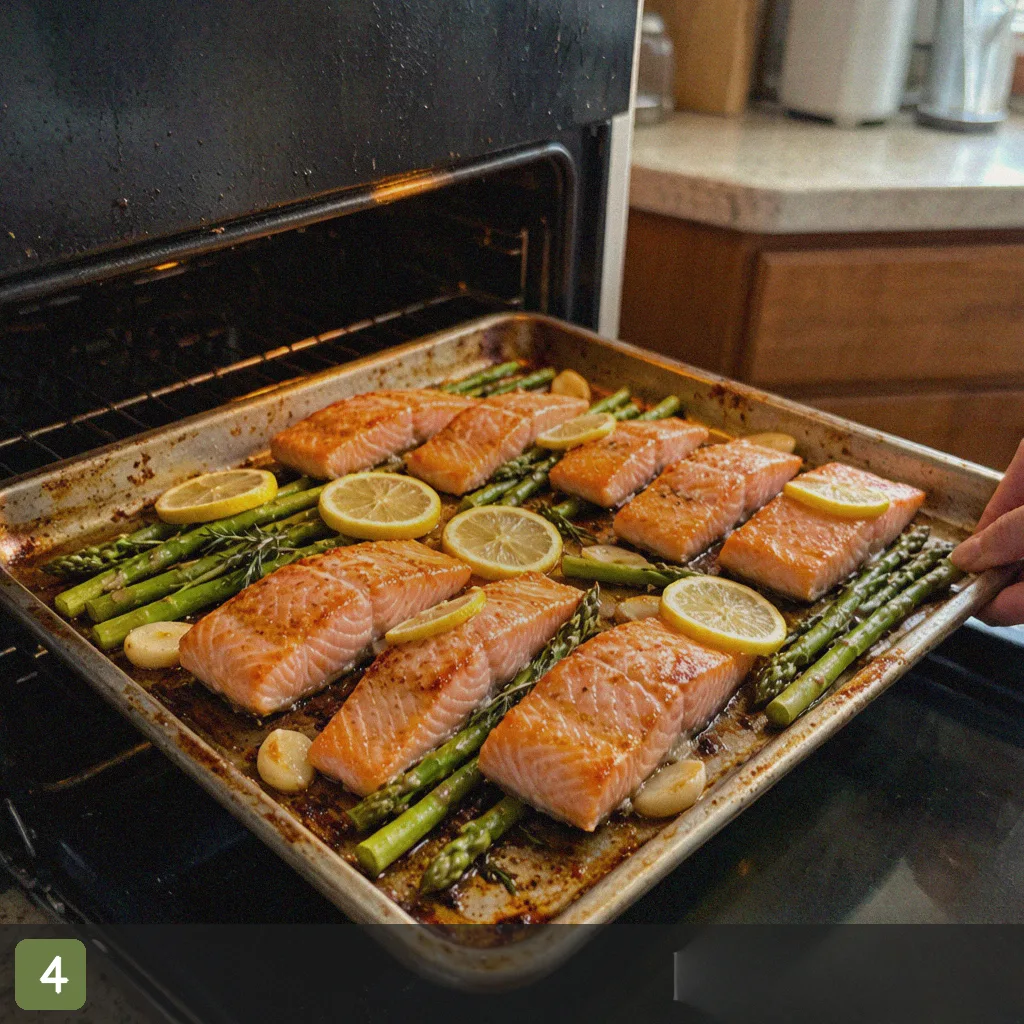
Step 4: Roast
Roast at 200°C for 12–14 minutes. At 12 minutes the edges turn opaque while the center is still slightly translucent — that is the sweet spot; for well done, go to 14 minutes. When the center reaches 63°C/145°F (the FDA minimum safe temperature for fish), the salmon is fully cooked. Pregnant women, people with weakened immune systems, and children should eat it cooked to fully done.
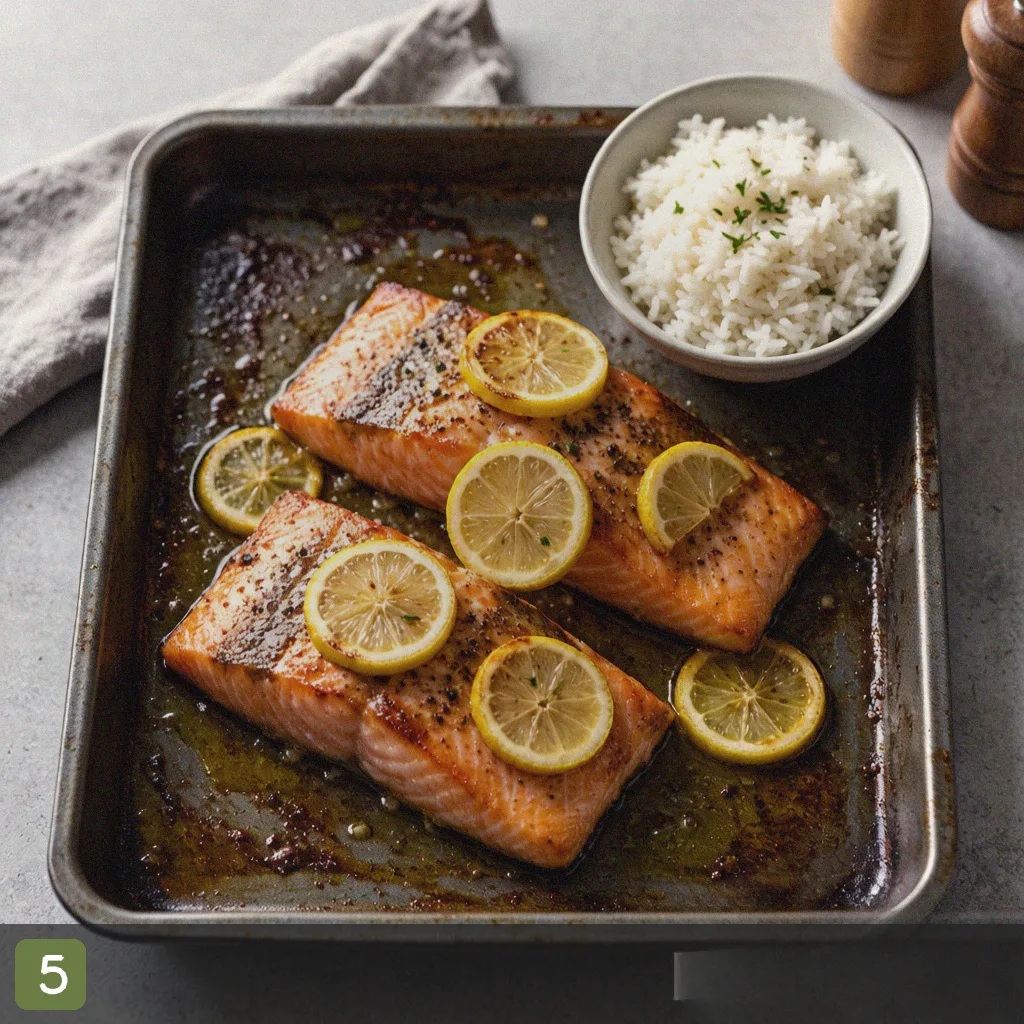
Step 5: Rest and serve
Out of the oven, squeeze fresh lemon over the top and rest 2 minutes so the fish firms up. Serve straight from the pan with rice or a salad.
Pro Tips for the Best Results
- Oil the veggies first: asparagus dries out without oil; a coating is what gives it that roasted, nutty edge.
- Skin-side down: the skin against the pan locks in juice, keeping the top tender.
- Do not overcook: pull it when the center is just translucent; residual heat finishes it, and overcooking turns it dry.
- Lemon in two stages: lay slices on before roasting for aroma, squeeze fresh after for brightness.
- Different speeds, one pan: if veggies lag behind the fish, roast them 4 minutes first, then add the salmon.
Frequently Asked Questions
Q: How done should the salmon be?
A: 50–52°C (125°F) at the center is medium-rare tender; 63°C (145°F) is fully cooked. By eye, edges cooked and center slightly translucent is the spot.
Q: Can I use frozen salmon?
A: Thaw fully and pat dry before roasting, or the released water steams the fish instead of roasting it.
Q: How do I make this even lower in sodium?
A: Skip the salt and season with lemon zest, dill, and black pepper — salmon’s natural umami is plenty.
Q: What should I serve it with?
A: Brown rice, quinoa, or roasted potatoes all work; for something lighter, a mixed salad.
Q: Can I marinate it ahead?
A: Marinate the fish 30 minutes in olive oil and dill for more flavor, but do not go past 1 hour or the texture tightens.
More Quick Meals to Try
Sheet Pan Salmon
Ingredients
Method
- Step 1: Preheat and prep the pan: Set the oven to 200°C (400°F) and preheat. Line the sheet pan with parchment and brush lightly with oil to prevent sticking. This step makes cleanup almost zero.
- Step 2: Arrange the vegetables: Lay asparagus on one side of the pan, drizzle with a little olive oil, and add black pepper and sliced garlic. Toss so every spear is coated. A single layer is what gives the veggies char instead of steaming.
- Step 3: Add the salmon: Place the salmon skin-side down on the other side of the pan. Brush the top with olive oil, then season with salt, black pepper, and dill. Lay two lemon slices on top of each fillet.
- Step 4: Roast: Roast at 200°C for 12–14 minutes. At 12 minutes the edges turn opaque while the center is still slightly translucent — that is the sweet spot; for well done, go to 14 minutes. When the center reaches 63°C/145°F (the FDA minimum safe temperature for fish), the salmon is fully cooked. Pregnant women, people with weakened immune systems, and children should eat it cooked to fully done.
- Step 5: Rest and serve: Out of the oven, squeeze fresh lemon over the top and rest 2 minutes so the fish firms up. Serve straight from the pan with rice or a salad.