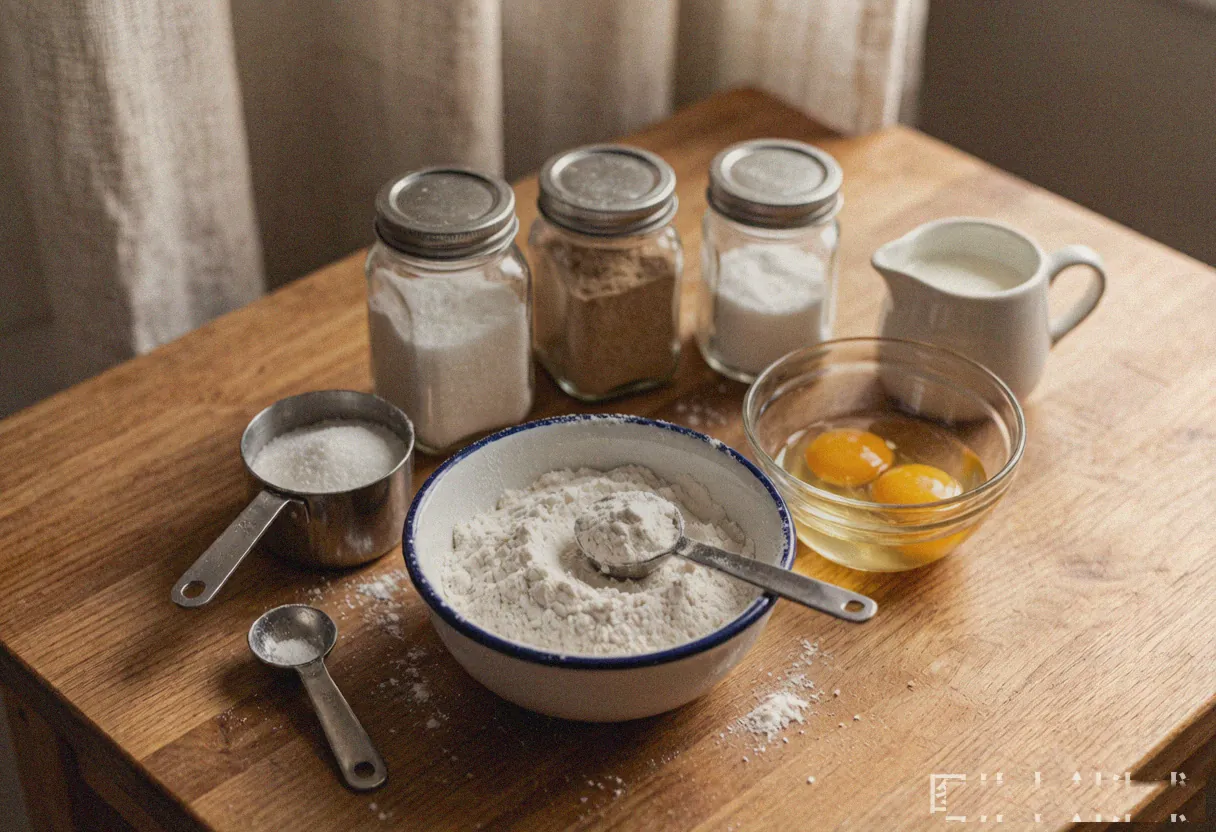
Step 1: Load the Pan: Add ingredients in the correct order: warm milk first, then the room-temperature eggs, then the melted and cooled butter, then the flour, then sugar and salt in opposite corners, and finally the yeast in a small well in the center of the flour. Select the "Sweet Bread" cycle, loaf size 1.5 pounds, crust color "Medium." The sweet bread cycle is designed for enriched doughs — it kneads longer (to develop gluten against the interference of fat and sugar) and ferments at a slightly lower temperature (enriched doughs rise more slowly).
Step 2: Watch the Kneading — and Don't Panic: For the first 5 minutes of kneading, the dough will look like a wet, separated disaster — a pale sludge that shows no sign of coming together. This is completely normal. High-butter doughs resist gluten formation because fat coats the flour proteins and prevents them from linking up. The machine's paddle needs time to mechanically force the butter into the flour. Around the 8–10 minute mark, the transformation happens suddenly: the wet mass tightens, smooths out, and becomes a glossy, elastic ball. If after 10 minutes it's still genuinely wet and soupy, add 1 tablespoon of flour. If it's dry and stiff, add 1 tablespoon of milk.
Step 3: Let It Rise: Close the lid and let the machine complete the fermentation cycle. Brioche dough rises more slowly than lean dough because fat and sugar both inhibit yeast activity — this is expected and accounted for by the sweet bread program's extended cycle. By the end of the first rise, the dough should have doubled in volume, with a puffy, slightly domed top and a pale golden tinge from the egg yolks. The machine will automatically punch down and begin the second rise, which takes another 30–45 minutes.
Step 4: Bake: The machine shifts into the bake cycle automatically — roughly 50–60 minutes for this program. Brioche browns faster than lean bread because of its high sugar and egg yolk content, which is why the "Medium" crust setting is the right choice. If through the viewing window you notice the crust darkening too quickly (deep brown at the 30-minute mark), lay a sheet of aluminum foil loosely over the top of the bread pan — this shields the surface from the upper heating element without affecting the bake.
Step 5: Cool Completely Before Slicing: When the machine beeps, remove the pan immediately and turn out the loaf. Brioche emerges from the machine extraordinarily soft — almost cake-like in its fragility. It requires a longer cooling period than lean bread: at least 45 minutes on a wire rack. The butter inside the loaf is still liquid at this point, and the crumb has no structural integrity until the butter re-solidifies. Cut too soon and the loaf will compress under the knife, the crumb will turn gummy, and the slice will tear rather than cut. When properly cooled, a slice of brioche shows a fine, even, golden-yellow crumb with a silky texture that's visible even before you taste it.