Low Sodium Spaghetti Sauce
Walk down the pasta sauce aisle and pick up any jar. Flip it over. You’ll find 500–900mg of sodium per serving — sometimes more. Pour that over a plate of spaghetti and you’ve consumed nearly half your daily sodium limit before you’ve even thought about parmesan on top. This low sodium spaghetti sauce turns that math around completely: 120mg per serving, made in 25 minutes, and it tastes dramatically better than anything from a jar.
The secret is straightforward. “No salt added” canned tomatoes form the base, fresh garlic and onion build the foundation, and a handful of torn basil leaves at the end gives you a sauce that tastes like Sunday dinner at an Italian grandmother’s house — minus the salt shaker.
Why You’ll Love This Recipe
Health Notice: This recipe is designed for low-sodium diets. The American Heart Association recommends no more than 2,300mg of sodium per day, with an ideal limit of 1,500mg for most adults. Sodium values are estimates based on USDA food composition data. Always consult your healthcare provider before making dietary changes. See our Medical Disclaimer for more information.
- Only 120mg sodium per serving. That’s roughly 75% less than jarred sauce. The reduction comes from a single decision: using no-salt-added crushed tomatoes and tomato paste instead of their regular counterparts. Regular canned tomatoes hide 200–400mg of sodium per can. The unsalted versions? Fifteen to thirty milligrams. It’s the simplest and most impactful swap in the entire recipe.
- Tastes ten times better than jarred. Jarred sauce has a uniform, factory-standard flavor — it’s engineered for shelf stability, not freshness. This homemade version has bright tomato acidity, the sharp bite of fresh garlic, and the sweet, anise-like fragrance of basil that only exists when the leaves were on the plant an hour ago.
- Twenty-five minutes from start to finish. You don’t need to simmer marinara for three hours. Sauté the aromatics, bloom the tomato paste, add the tomatoes, and simmer uncovered for 20 minutes. That’s it. The sauce thickens naturally as water evaporates, concentrating the tomato flavor without any extra work.
- A true multipurpose sauce. Use it on spaghetti tonight, as pizza sauce tomorrow, in lasagna later this week, over baked eggplant, or simply for dipping crusty bread. One batch covers a week’s worth of Italian-inspired meals.
Ingredients You’ll Need
- 2 cans (400g each) no-salt-added crushed tomatoes
- 1 can (170g) no-salt-added tomato paste
- ½ medium onion, finely diced
- 5 garlic cloves, minced
- ⅓ cup fresh basil leaves, torn
- 1 teaspoon dried oregano
- ½ teaspoon black pepper
- Pinch of red pepper flakes (optional, for a barely-there warmth)
- 2 tablespoons olive oil
- ½ cup water
- 1 teaspoon sugar (only if the tomatoes are acidic — see Step 4)
Tomato paste vs. tomato sauce — know the difference. Tomato paste is nothing but concentrated tomatoes with zero added salt. Tomato sauce (in American grocery stores) usually refers to a seasoned, salted product. Ketchup is an entirely different thing. When this recipe calls for “tomato paste,” the ingredient list on the can should read exactly one word: tomatoes.
How to Make Low Sodium Spaghetti Sauce
Step 1: Sauté Onion and Garlic
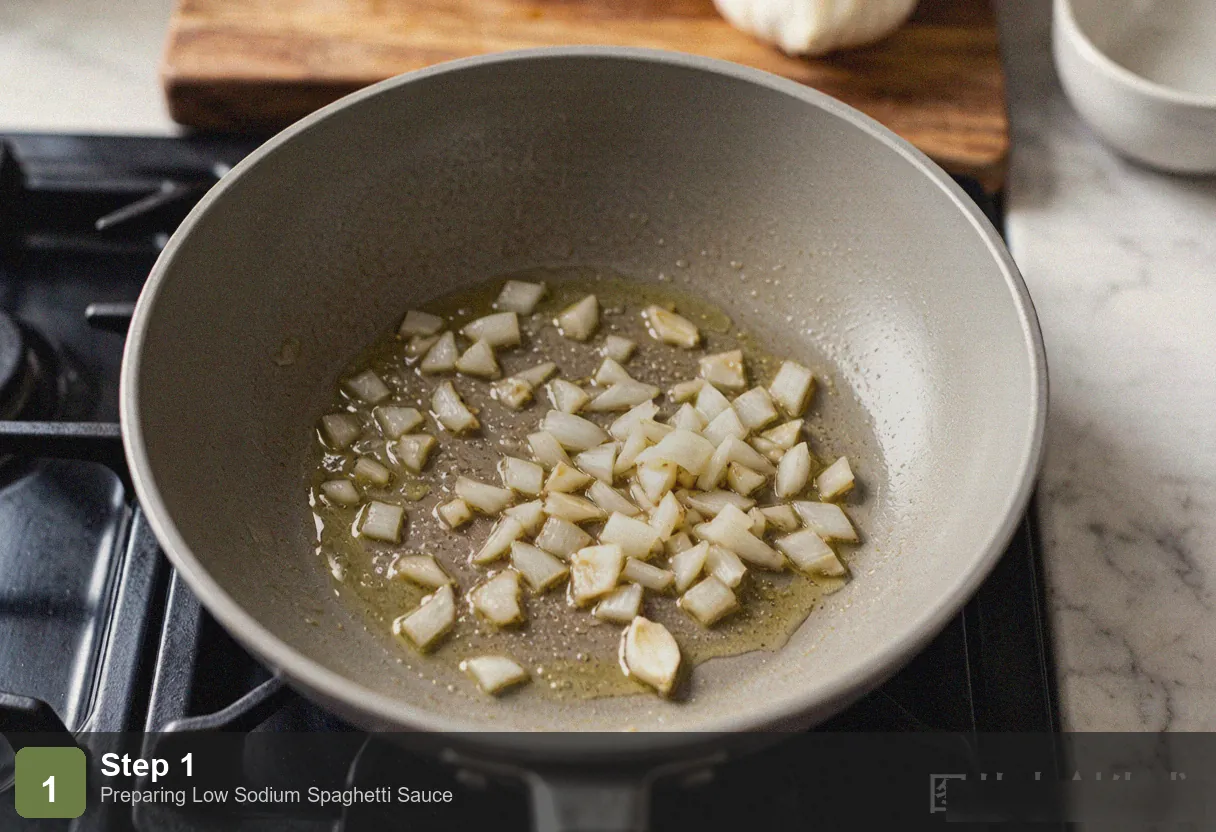
Heat 2 tablespoons of olive oil in a deep skillet or saucepan over medium heat. Add the finely diced onion and cook for 4–5 minutes until translucent and just starting to turn golden at the edges. Add the minced garlic and cook for 30 seconds — no longer. Garlic burns quickly and burnt garlic tastes acrid, which will ruin the entire batch of sauce. The moment it turns fragrant and pale gold, move on.
Step 2: Bloom the Tomato Paste
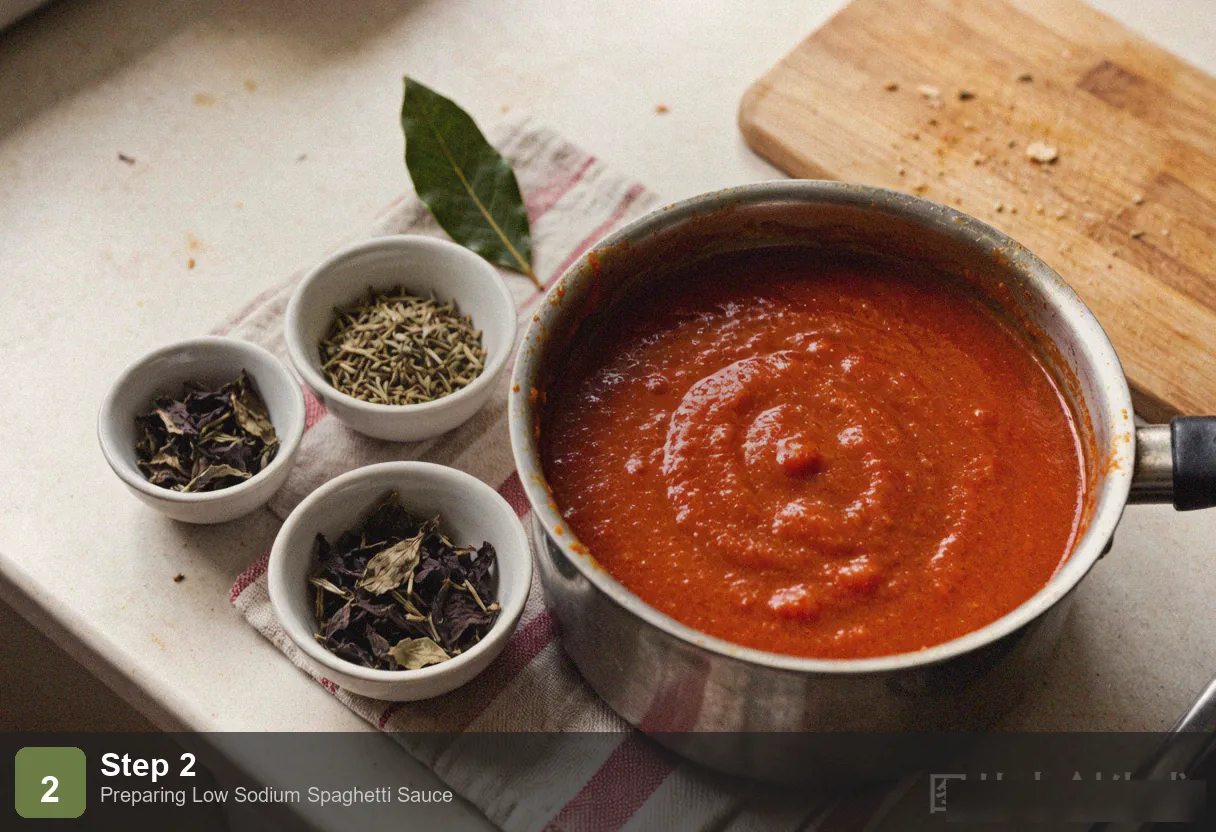
Add the can of tomato paste to the pan, right on top of the onions and garlic. Stir continuously for 1–2 minutes with a wooden spoon. The paste will darken from bright red to deep burgundy, and your kitchen will fill with a rich, caramelized tomato aroma. This step — called blooming the paste — caramelizes the natural tomato sugars and builds a much deeper flavor than simply stirring paste into cold liquid. Skipping it produces a sauce that tastes flat and tinny.
Step 3: Add Crushed Tomatoes and Simmer
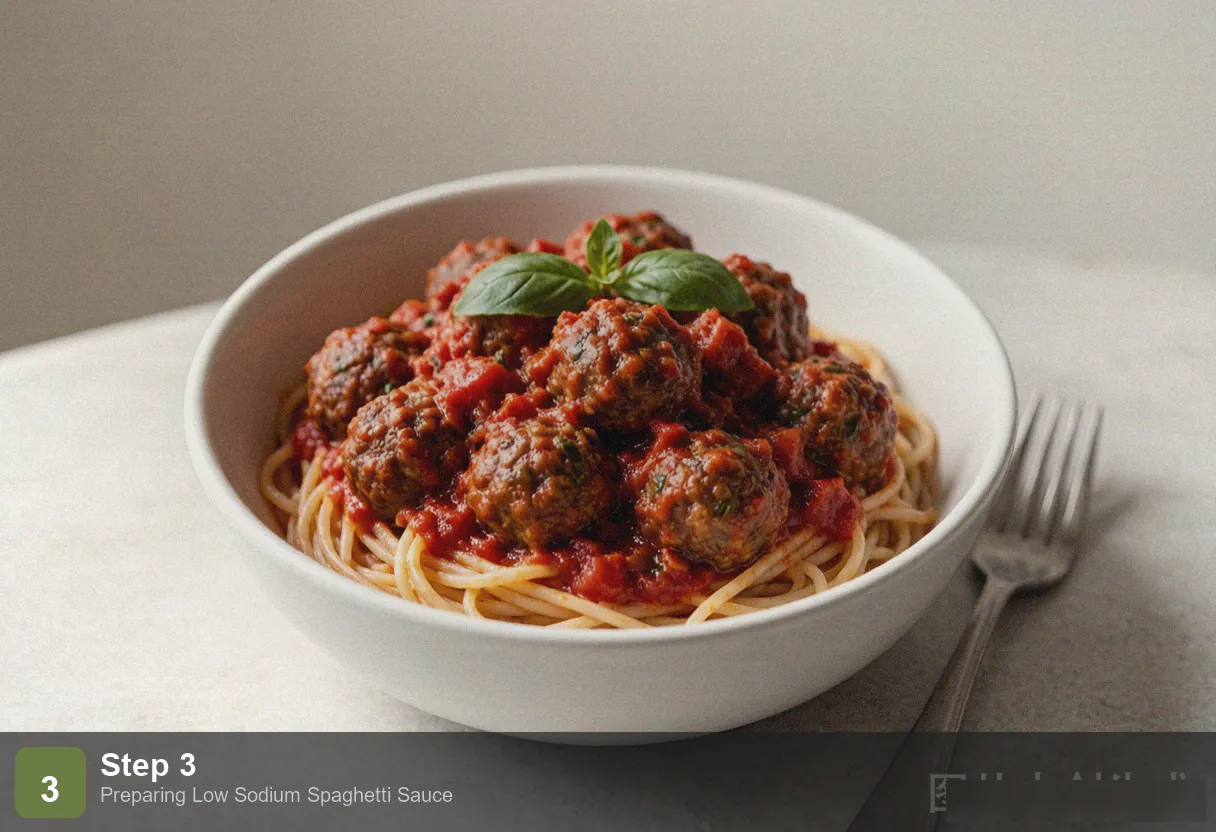
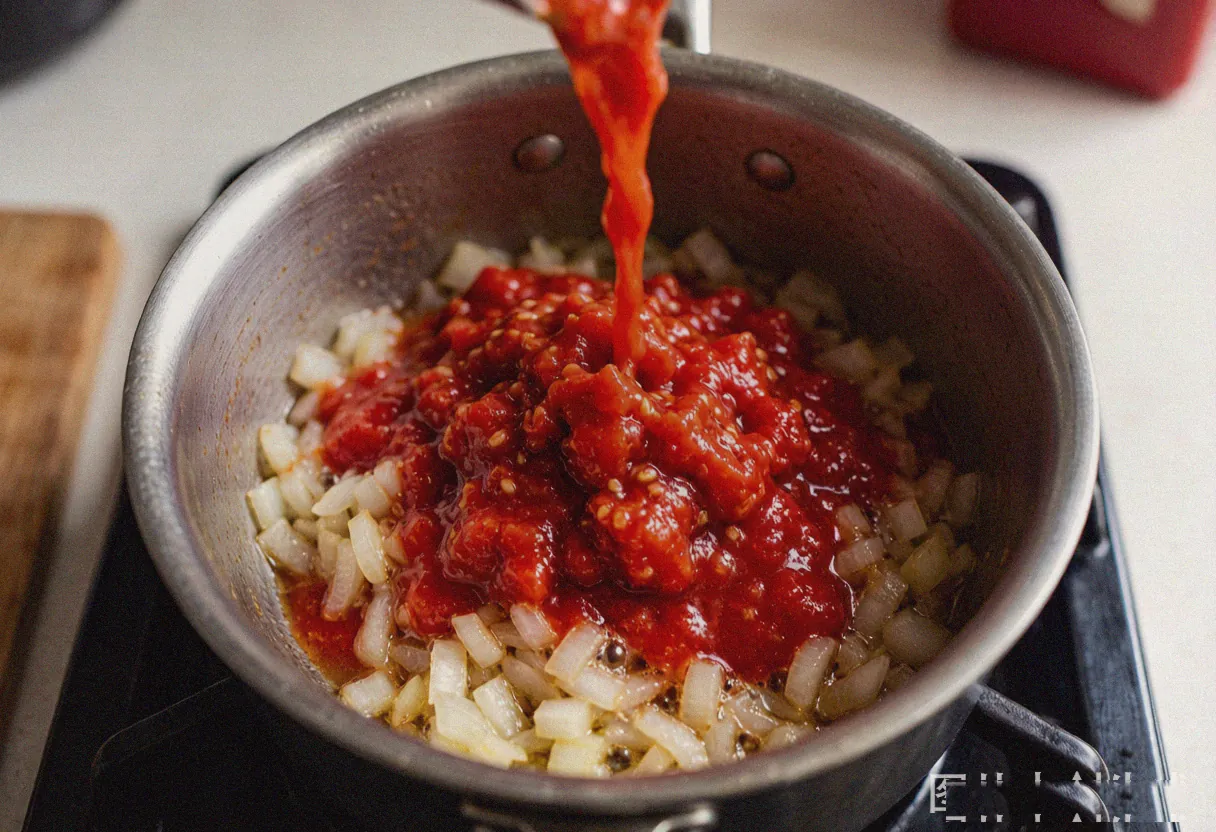
Pour in both cans of crushed tomatoes, add ½ cup of water, the dried oregano, black pepper, and red pepper flakes. Stir until everything is evenly combined. Bring to a boil, then reduce the heat to medium-low. Simmer uncovered — do not cover the pan — for 15–20 minutes, stirring occasionally to prevent sticking. Leaving the lid off allows water to evaporate, which concentrates the tomato flavor and naturally thickens the sauce.
Step 4: Check and Balance Acidity
After 15 minutes, taste the sauce. Depending on the brand of tomatoes and the time of year, canned tomatoes can range from pleasantly tangy to sharply acidic. If the sauce tastes too tart, add 1 teaspoon of sugar and stir it in — this isn’t about making the sauce sweet; it’s about rounding off the sharp edges. Summer tomatoes in season rarely need sugar; winter canned tomatoes often benefit from it. Simmer for another 5 minutes after adding the sugar to let it fully dissolve and integrate.
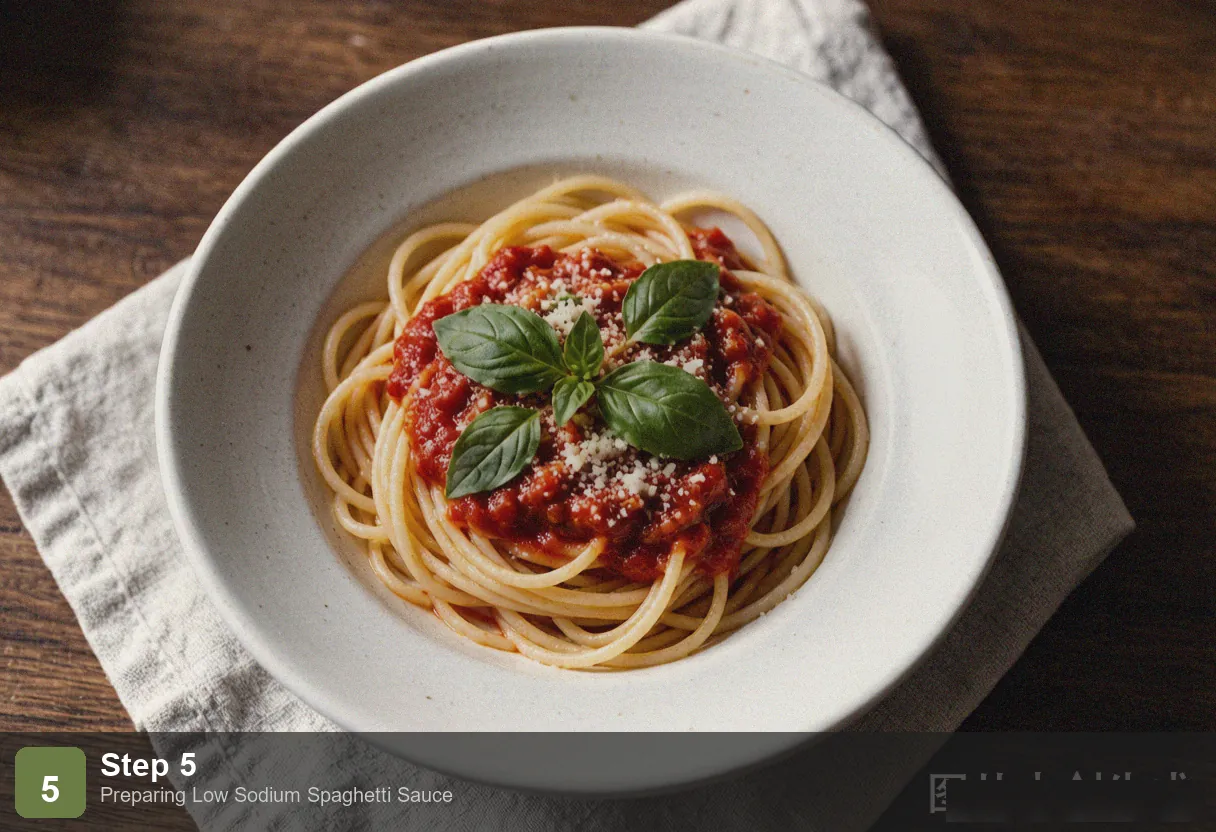
Step 5: Finish with Fresh Basil
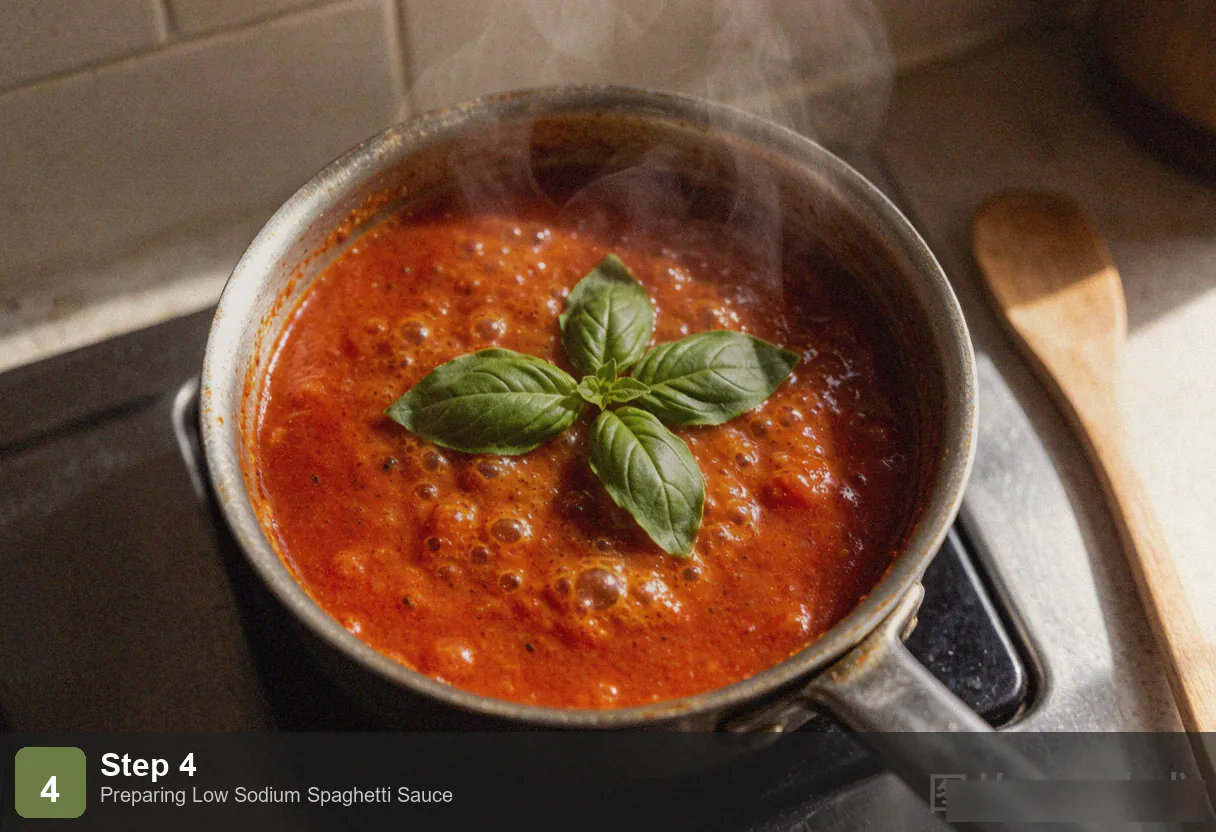
Remove the pan from the heat. Tear the basil leaves directly into the sauce and stir to distribute. Fresh basil must go in at the very end — prolonged heat destroys its volatile aromatic compounds, turning fragrant leaves into tasteless green flecks. Cover the pan and let it sit for 2 minutes off the heat so the basil’s fragrance infuses the sauce. If you prefer a smoother texture, pulse with an immersion blender for 10 seconds, but I recommend leaving some texture — those visible flecks of tomato and herb are the badge of a homemade sauce.
Pro Tips
Fresh basil and dried basil are not interchangeable. Fresh basil has a sweet, complex fragrance with notes of anise and mint. Dried basil loses most of its volatile oils during dehydration, leaving behind a flat, one-dimensional herbiness. If you’re going to buy one fresh herb for this sauce, make it basil. Dried oregano is perfectly acceptable — oregano actually holds up better to drying than basil does.
No-salt-added tomatoes are the foundation this recipe is built on. A regular can of crushed tomatoes contains 200–400mg of sodium. The no-salt-added version has 15–30mg. Across two cans, that’s a difference of up to 770mg of sodium — roughly six times the sodium content of the finished sauce. This single ingredient choice matters more than any other adjustment in the recipe. Hunt’s, Muir Glen, Cento, and Whole Foods 365 all produce no-salt-added lines.
Simmering uncovered is deliberate, not lazy. A lid traps steam, which condenses and drips back into the pan, preventing the sauce from thickening. Without a lid, water evaporates freely and the tomato solids concentrate, giving you a naturally thicker, richer sauce in less time. If you’re in a hurry, you can speed this up by simmering over medium-high heat for the last 5 minutes — but stir constantly, because high heat plus tomato sauce equals scorched bottom.
Frequently Asked Questions
Can I add meat to make a bolognese-style sauce?
Yes. Before adding the onion, brown 200g of lean ground beef or ground turkey in the olive oil. Break it into small crumbles, cook until no pink remains, then proceed with the recipe as written. With meat, the sodium count will rise to roughly 180mg per serving — still dramatically lower than jarred meat sauce — because meat contains naturally occurring sodium.
How long does this sauce keep?
Stored in an airtight container in the refrigerator, it keeps for 5 days. It freezes beautifully for up to 3 months. I recommend freezing in 1-cup portions — that’s enough for two servings of pasta — so you can thaw exactly what you need without defrosting the entire batch. Microwave from frozen for 3 minutes, stirring once.
Can I use fresh tomatoes instead of canned?
Yes, but it takes more tomatoes and more time. You’ll need about 1.5kg of ripe Roma (plum) tomatoes. Blanch them in boiling water for 30 seconds, peel off the skins, remove the seeds, and chop the flesh. Increase the simmering time to 30–40 minutes to cook off the extra water fresh tomatoes contain. The flavor will be brighter and more delicate — but canned tomatoes actually produce a more concentrated, consistent sauce, which is why most Italian restaurants use them.
Can I use this as pizza sauce?
Absolutely. For pizza, pulse the finished sauce with an immersion blender until completely smooth, then simmer over medium heat for an additional 5 minutes to reduce it further. Pizza sauce needs to be thicker than pasta sauce — too much moisture will make the crust soggy.
More Low Sodium Recipes
- Low Sodium Chicken Soup — A classic clear-broth soup built on technique, not salt
- Low Sodium Vegetable Soup — A plant-based low-sodium option
- Low Sodium Chili — Another tomato-based low-sodium dish with smoky depth
- Low Sodium Stir Fry Chicken — A quick low-sodium dinner with Asian flavors
Nutrition (per serving, serves 8)
| Nutrient | Amount | % Daily Value |
|---|---|---|
| Calories | 65 kcal | 3% |
| Protein | 2g | 4% |
| Fat | 3.5g | 4% |
| Carbohydrates | 8g | 3% |
| Fiber | 2g | 8% |
| Sodium | 120mg | 5% |
| Potassium | 350mg | 7% |
| Vitamin C | 15mg | 17% |
Low Sodium Spaghetti Sauce - Homemade Marinara 25 Min
Ingredients
Method
- Step 1: Sauté Onion and Garlic: Heat 2 tablespoons of olive oil in a deep skillet or saucepan over medium heat. Add the finely diced onion and cook for 4–5 minutes until translucent and just starting to turn golden at the edges. Add the minced garlic and cook for 30 seconds — no longer. Garlic burns quickly and burnt garlic tastes acrid, which will ruin the entire batch of sauce. The moment it turns fragrant and pale gold, move on.
- Step 2: Bloom the Tomato Paste: Add the can of tomato paste to the pan, right on top of the onions and garlic. Stir continuously for 1–2 minutes with a wooden spoon. The paste will darken from bright red to deep burgundy, and your kitchen will fill with a rich, caramelized tomato aroma. This step — called blooming the paste — caramelizes the natural tomato sugars and builds a much deeper flavor than simply stirring paste into cold liquid. Skipping it produces a sauce that tastes flat and tinny.
- Step 3: Add Crushed Tomatoes and Simmer: Pour in both cans of crushed tomatoes, add ½ cup of water, the dried oregano, black pepper, and red pepper flakes. Stir until everything is evenly combined. Bring to a boil, then reduce the heat to medium-low. Simmer uncovered — do not cover the pan — for 15–20 minutes, stirring occasionally to prevent sticking. Leaving the lid off allows water to evaporate, which concentrates the tomato flavor and naturally thickens the sauce.
- Step 4: Check and Balance Acidity: After 15 minutes, taste the sauce. Depending on the brand of tomatoes and the time of year, canned tomatoes can range from pleasantly tangy to sharply acidic. If the sauce tastes too tart, add 1 teaspoon of sugar and stir it in — this isn't about making the sauce sweet; it's about rounding off the sharp edges. Summer tomatoes in season rarely need sugar; winter canned tomatoes often benefit from it. Simmer for another 5 minutes after adding the sugar to let it fully dissolve and integrate.
- Step 5: Finish with Fresh Basil: Remove the pan from the heat. Tear the basil leaves directly into the sauce and stir to distribute. Fresh basil must go in at the very end — prolonged heat destroys its volatile aromatic compounds, turning fragrant leaves into tasteless green flecks. Cover the pan and let it sit for 2 minutes off the heat so the basil's fragrance infuses the sauce. If you prefer a smoother texture, pulse with an immersion blender for 10 seconds, but I recommend leaving some texture — those visible flecks of tomato and herb are the badge of a homemade sauce.