Bread Machine Cinnamon Raisin Bread
The most magical thing about bread machine cinnamon raisin bread is the aroma. For three hours while the machine works, cinnamon fragrance drifts from the steam vent and fills the entire house. It’s more comforting than any scented candle.
Soft bread studded with plump raisins and threaded with cinnamon swirls — toast a slice, spread butter on it, and you have a café-quality breakfast. The raisins caramelize slightly from the heat, the cinnamon’s warm spice blends with the butter’s richness, and every bite is sweet, aromatic, and deeply satisfying.
Why You’ll Love This Recipe
- Your house will smell amazing. For three hours, cinnamon aroma fills every room. Better than any candle or diffuser — and at the end, you get bread.
- True one-button bread. All ingredients go into the pan. Select “Sweet Bread,” press start. Three hours later: a complete loaf. Kneading, proofing, and baking are all automatic.
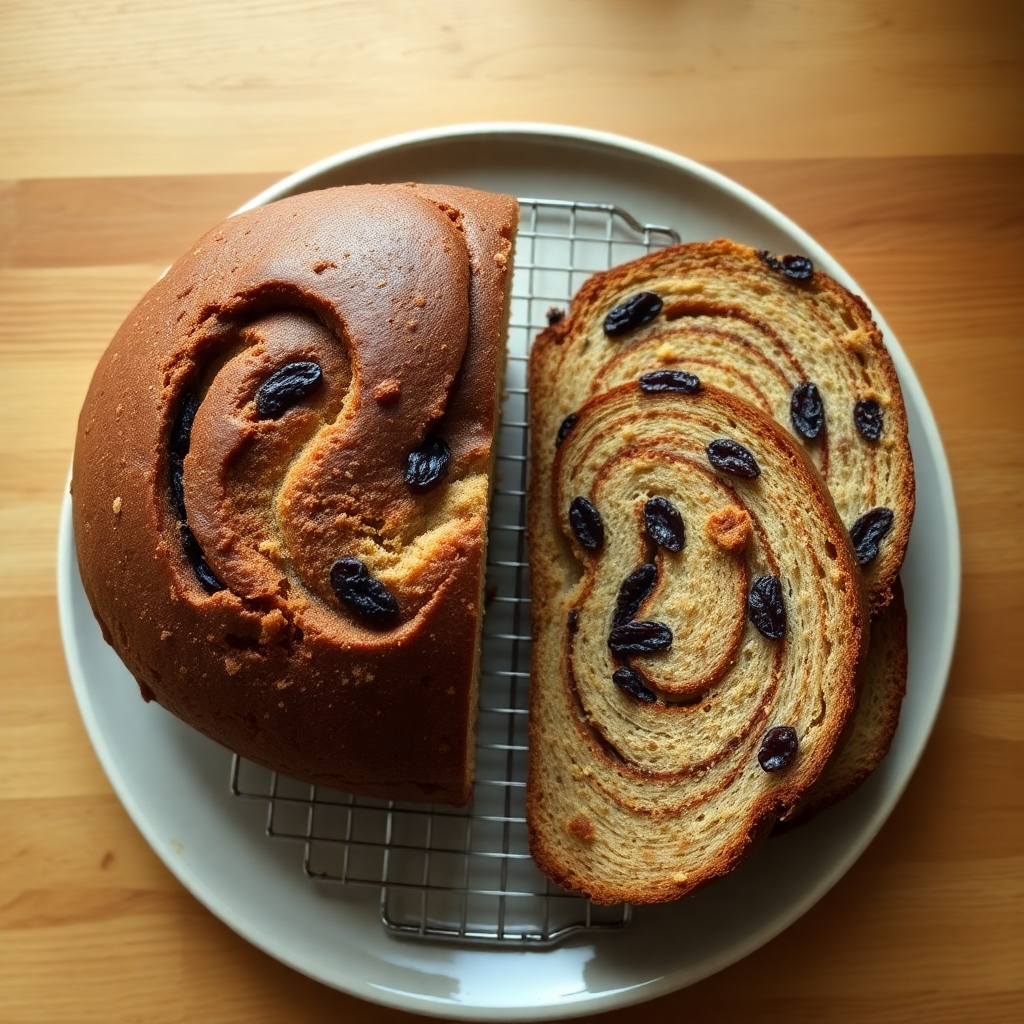
- Beautiful cinnamon swirls. Slice the loaf and you’ll see dark brown cinnamon patterns threading through the crumb — each slice has a unique swirl pattern created naturally during the kneading process.
- The ultimate breakfast. A toasted slice of cinnamon raisin bread with melting butter and a cup of coffee — this is the most luxurious simple pleasure a weekend morning can offer.
Ingredients You’ll Need
- 1 cup warm water (about 40°C / 105°F)
- 3 cups bread flour
- 2 tbsp granulated sugar
- 1 tbsp butter, softened and cut into pieces
- 1 tsp salt
- 2 tsp active dry yeast (or instant yeast)
- 1.5 tsp ground cinnamon
- ¾ cup raisins
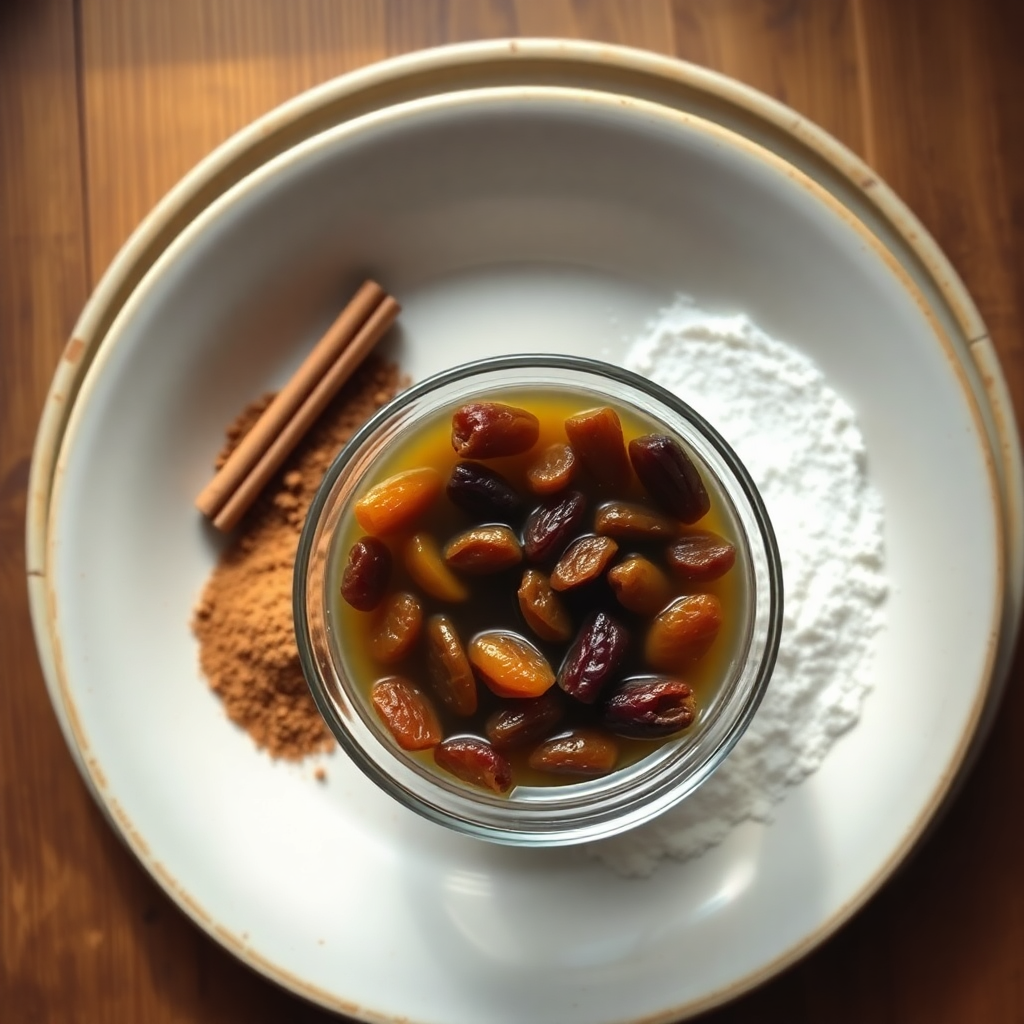
Soak the raisins first.** Raisins absorb moisture from the dough during baking, which can make them dry and hard. Soak them in warm water for 10 minutes, drain well, then add when the machine signals. Soaked raisins stay plump and juicy. For an even better result, soak them in rum — the raisins absorb a subtle, complex flavor that elevates the entire loaf.
How to Make Bread Machine Cinnamon Raisin Bread
Step 1: Add Dry Ingredients to the Pan
Follow your bread machine’s recommended ingredient order (most machines specify liquids first, then dry ingredients). Pour the warm water into the pan, then add the flour, sugar, salt, and yeast. Place the butter in a corner. Add the cinnamon powder directly — it will mix into the dough during kneading, creating even cinnamon flavor throughout.
Step 2: Add Water and Butter
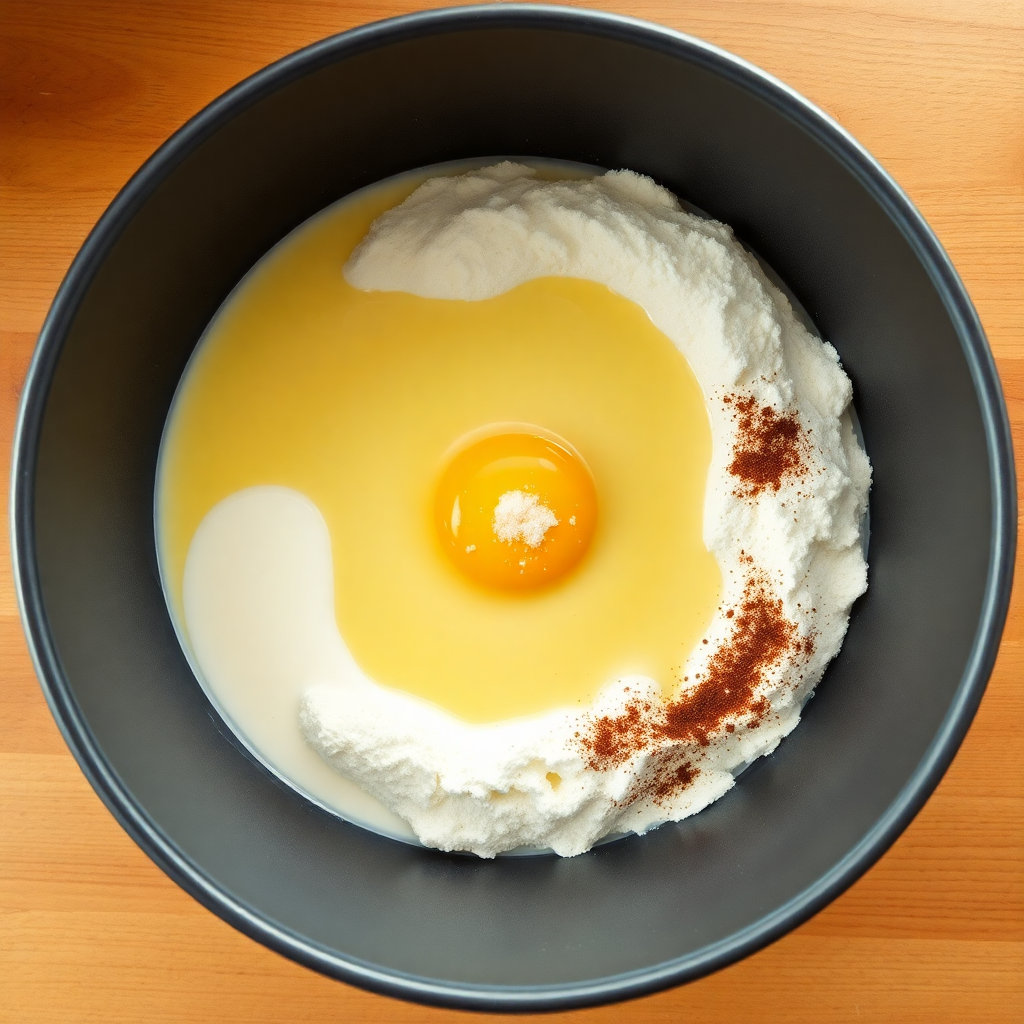
Make sure all ingredients are in the pan. Place the butter in the corner diagonally opposite the yeast — direct contact between salt, butter, and yeast can inhibit fermentation. Confirm the kneading paddle is properly installed.
Step 3: Add Raisins and Cinnamon at the Beep
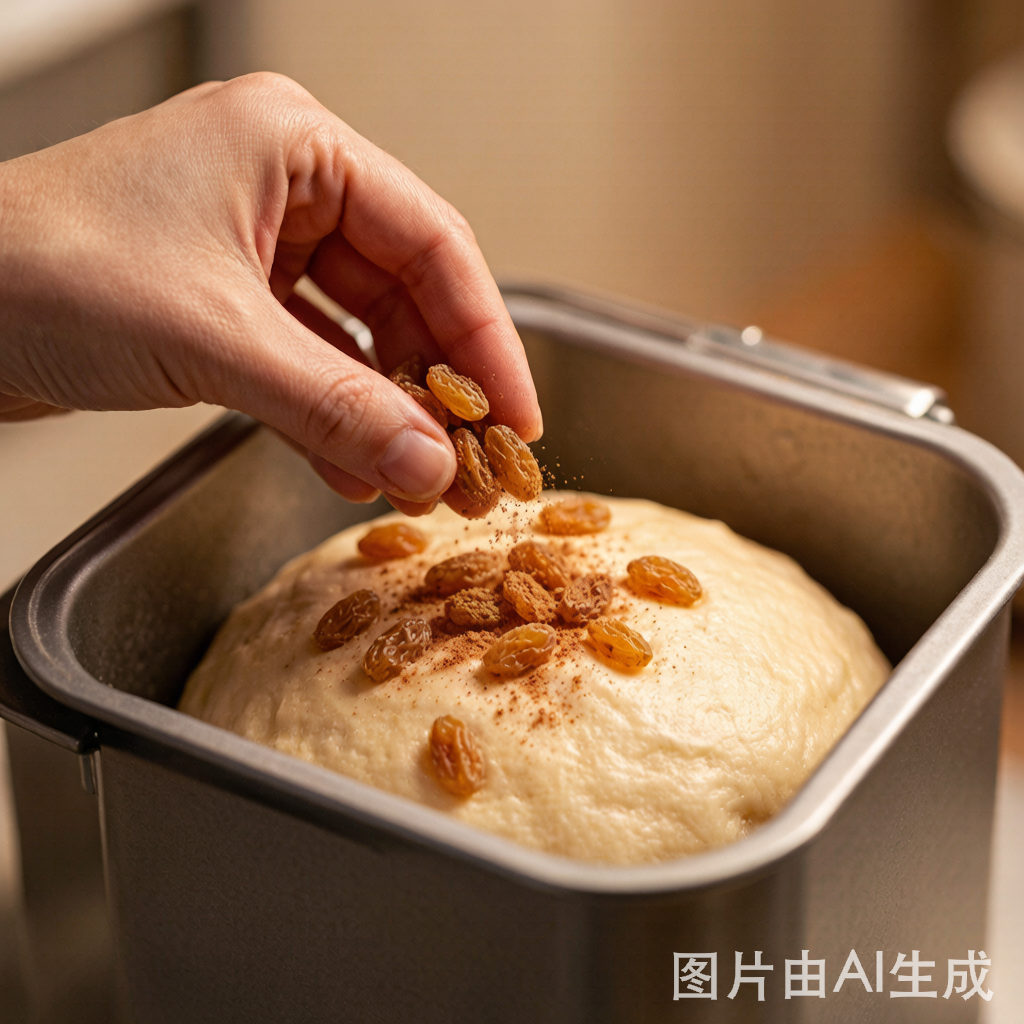
If your bread machine has a fruit and nut dispenser, fill it with the soaked, drained raisins — the machine will add them automatically during the kneading cycle. If not, wait for the add-in beep (usually about 8 minutes into kneading), then open the lid and dump in the raisins. Don’t add them at the beginning — the kneading paddle will pulverize them into paste.
Step 4: Select Sweet Bread Cycle
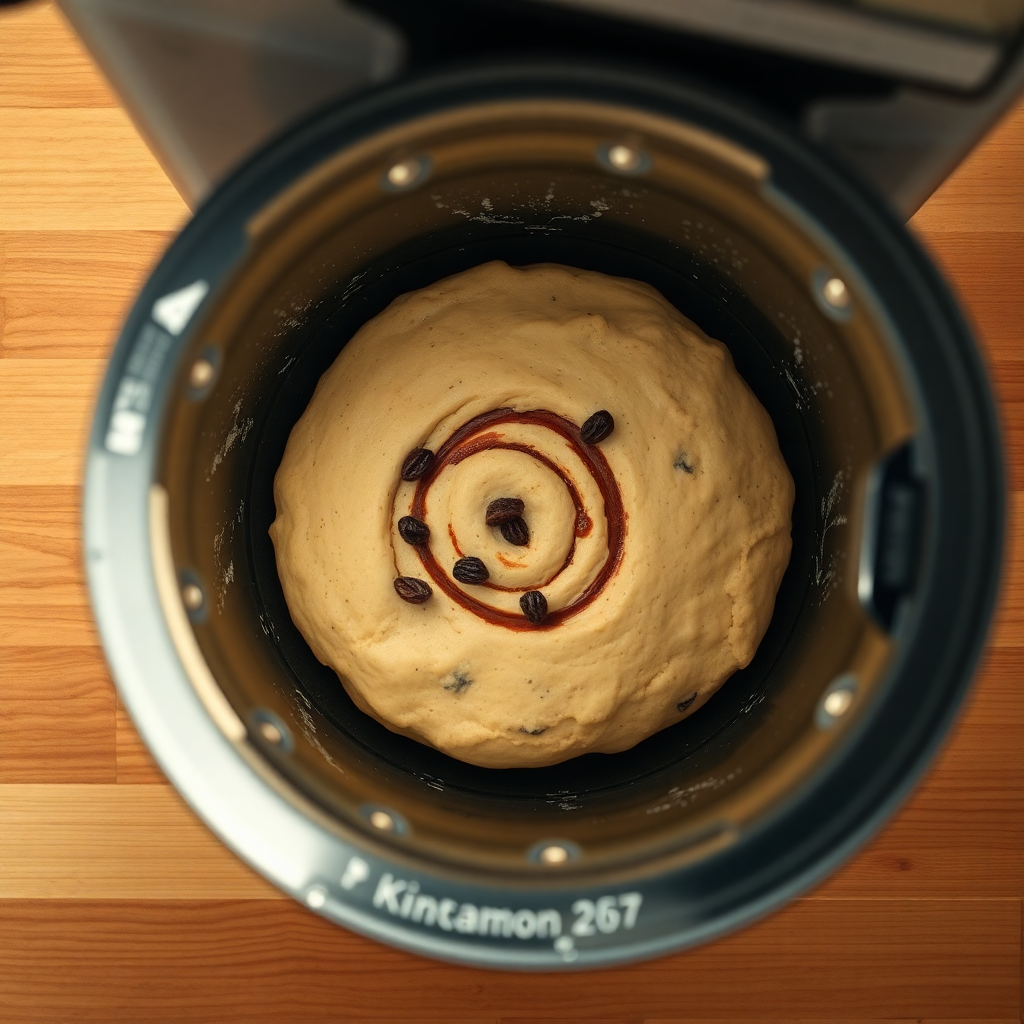
Choose the “Sweet Bread” or “French” cycle. Sweet bread cycles bake at a lower temperature to prevent the sugar from over-browning. Set weight to 2 pounds and crust color to “Medium.” Press start. The machine will automatically complete: kneading (~15 min) → first proof (~40 min) → shaping → second proof (~50 min) → baking (~60 min), totaling about 3 hours.
Step 5: Remove, Cool, and Slice
When the cycle ends, immediately use oven mitts to remove the pan. Invert to release the loaf onto a cooling rack. Cool for at least 30 minutes — sweet bread has a high sugar content and will stick to the knife and deform if cut while hot. Once cooled, slice with a serrated knife to reveal the cinnamon swirl pattern and raisin distribution.
Pro Tips for the Best Results
Add raisins after the beep. If you add raisins at the very beginning, the kneading paddle will spin at high speed for 15 minutes — the raisins will be beaten into paste, and you won’t see a single intact raisin in the finished bread. Bread machines typically beep about 8 minutes into the kneading cycle to signal “add mix-ins.” Adding raisins at this point ensures they’re distributed evenly without being destroyed. If your machine doesn’t have a beep, set a timer for 8 minutes and add them manually.
Cinnamon in the dough vs. cinnamon swirl layers. This recipe adds cinnamon directly to the dough — simple, even, consistent flavor. For a more dramatic visual swirl, you’d need to roll out the dough, sprinkle with cinnamon sugar, roll it up, and return it to the pan — but that requires manual intervention during the cycle. For a true one-button approach, adding cinnamon to the dough is the best choice.
Sweet bread cycle runs cooler. Sweet breads have high sugar content, and sugar burns at high temperatures. If you use the “Basic” cycle (designed for white bread), the crust will over-brown or even burn. The “Sweet” cycle bakes 10–15°C cooler, ensuring a golden — not charred — crust. If your machine doesn’t have a “Sweet” setting, use “Basic” with “Light” crust color.
Raisin choices. Golden raisins (sultanas) are the most common and work best — high sweetness, small size, even distribution. Dark raisins have deeper color and more intense flavor. Dried cranberries are an excellent alternative — their tartness adds another dimension. Whatever dried fruit you choose, the 10-minute warm water soak is essential.
Cool completely before slicing. This rule applies to all bread, but it’s especially critical for sweet bread. High sugar and fat content means the structure is extremely soft when hot — slicing will compress and deform it, and the inside will stick together. Cooling for 30 minutes lets the starch retrograde and fats solidify, giving clean, even slices. Use a serrated knife and saw gently — don’t press down.
Frequently Asked Questions
Can I use all-purpose flour instead of bread flour?
You can, but it’s not recommended. All-purpose flour has 10–12% protein content; bread flour has 12–14%. Lower protein means weaker gluten, which means smaller loaves with a denser texture. If all-purpose is all you have, add 1 teaspoon of vital wheat gluten to compensate. Without it, the bread will be shorter and tighter — the flavor stays the same, but the texture is different.
My bread didn’t rise. What went wrong?
The most common cause: dead yeast. Check the expiration date — old yeast loses its rising power. Test it by dissolving in warm water with a pinch of sugar; if it bubbles after 10 minutes, it’s alive. If not, buy fresh yeast. Other causes: water temperature too high (above 45°C / 113°F kills yeast), or salt came into direct contact with the yeast (salt inhibits yeast activity).
The raisins all sank to the bottom. Is that normal?
This is a normal physical phenomenon — raisins are denser than dough and sink during proofing. To minimize sinking: ① Coat raisins in a dusting of flour before adding (flour helps them “stick” to the dough); ② Add them as late as possible in the kneading cycle; ③ Use smaller raisins (smaller pieces sink more slowly). Even with some sinking, the bread is still delicious — the raisin-dense bottom slices are actually the best ones.
Can I omit the cinnamon?
Yes. If you don’t like cinnamon or have an allergy, making plain raisin bread is also excellent. Without cinnamon, the bread has a milder flavor and the raisin sweetness is more prominent. But cinnamon is the soul of this recipe — I strongly recommend trying it with cinnamon at least once.
More Bread Machine Recipes to Try
If you love bread machine sweet breads, try these:
- Bread Machine Banana Bread — Moist, sweet quick bread
- Bread Machine White Bread — The classic sandwich loaf
- Bread Machine Whole Wheat Bread — Healthy, hearty daily bread
- Bread Machine Pizza Dough — Homemade pizza crust in 90 minutes
Nutrition Information (Per Slice, ~1/12 Loaf)
| Nutrient | Amount |
|---|---|
| Calories | 165 kcal |
| Protein | 4 g |
| Fat | 2 g |
| Carbohydrates | 32 g |
| Sugar | 8 g |
| Dietary Fiber | 2 g |
| Sodium | 190 mg |
_Data source: USDA FoodData Central. Values are approximate._