Bread Machine White Bread
Supermarket sliced bread lasts two weeks on the shelf and tastes like cotton. Bread machine white bread is from another world entirely. Golden crust, snow-white tender crumb, and that unmistakable wheat aroma when it’s fresh out of the machine — this is what “real bread” tastes like.
With just six basic pantry ingredients and one button, you can have a complete sandwich loaf in three hours. The machine handles everything: kneading the dough to develop gluten, proofing it at the perfect temperature, and baking it to golden perfection. All you do is measure and pour.
Why You’ll Love This Recipe
- 6 ingredients, 3 hours, 1 loaf. Flour, water, butter, sugar, salt, yeast — all kitchen staples. Pour them in, press start, and three hours later you have a complete loaf of bread.
- Texture that destroys supermarket bread. Fresh white bread has a warm, tender crumb that springs back when you press it. Spread butter on a slice while it’s still warm and watch it melt — that moment alone is worth the price of the bread machine.
- The best sandwich bread you’ll ever make. Once cooled and sliced, this bread makes sandwiches that actually have chew, wheat flavor, and structure. Store bread goes flat when you press it; this bread holds its own.
- Extremely cost-effective. A homemade white loaf costs about $1–2 in ingredients. A comparable artisan loaf from the bakery costs $5–8. If you eat bread daily, the savings pay for the bread machine within months.
Ingredients You’ll Need
- 1 cup + 2 tbsp warm water (about 40°C / 105°F)
- 3 cups bread flour
- 2 tbsp butter, softened and cut into pieces
- 2 tbsp granulated sugar
- 1.5 tsp salt
- 2 tsp active dry yeast
Bread flour is non-negotiable.** The soft, elastic texture of white bread comes from the gluten network. Bread flour’s 12–14% protein content forms strong gluten — after kneading, you can stretch the dough into a thin, translucent membrane (the windowpane test). This is what gives the bread its fluffy, springy texture. All-purpose flour has less protein, weaker gluten, and produces a tighter, shorter loaf. If you plan to bake regularly, buy a large bag of bread flour dedicated to bread making.
How to Make Bread Machine White Bread
Step 1: Add All Ingredients to the Pan
Follow your bread machine’s recommended ingredient order. Most machines want liquids first: pour the warm water and add the butter to the pan, then add the flour. Make a small well in the flour and add the yeast. Place the salt and sugar in separate corners. Ensure the yeast doesn’t directly touch the salt or water.

Step 2: Insert Pan into the Machine
Lock the pan into the bread machine until it clicks into place. Check that the kneading paddle is properly seated — if the paddle isn’t secure, it will detach during kneading and the dough won’t mix evenly.
Step 3: Select the Basic Bread Cycle
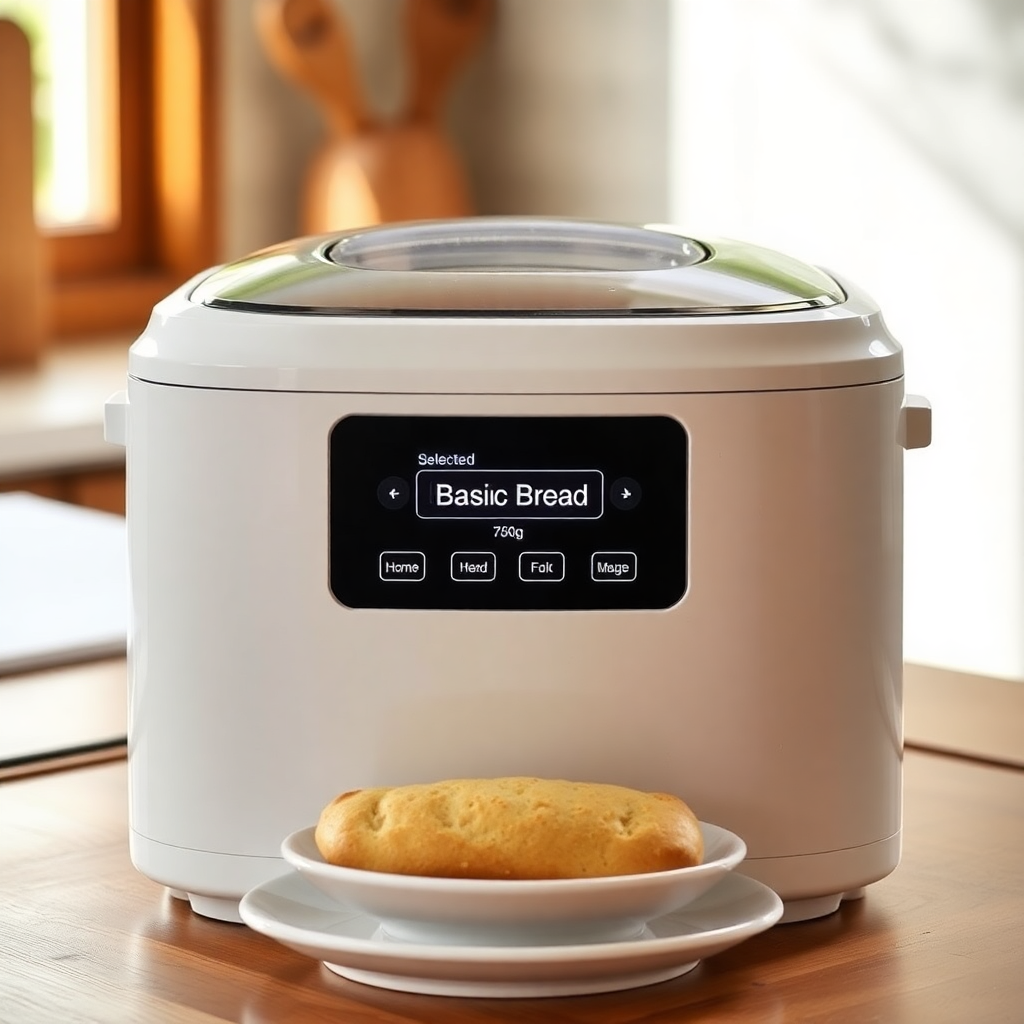
Choose the “Basic” or “White Bread” cycle. This cycle includes the full process: kneading → first proof → shaping → second proof → baking, totaling about 3 hours. Set the weight to 2 pounds and crust color to “Medium.” Press start.
Step 4: Let the Machine Work
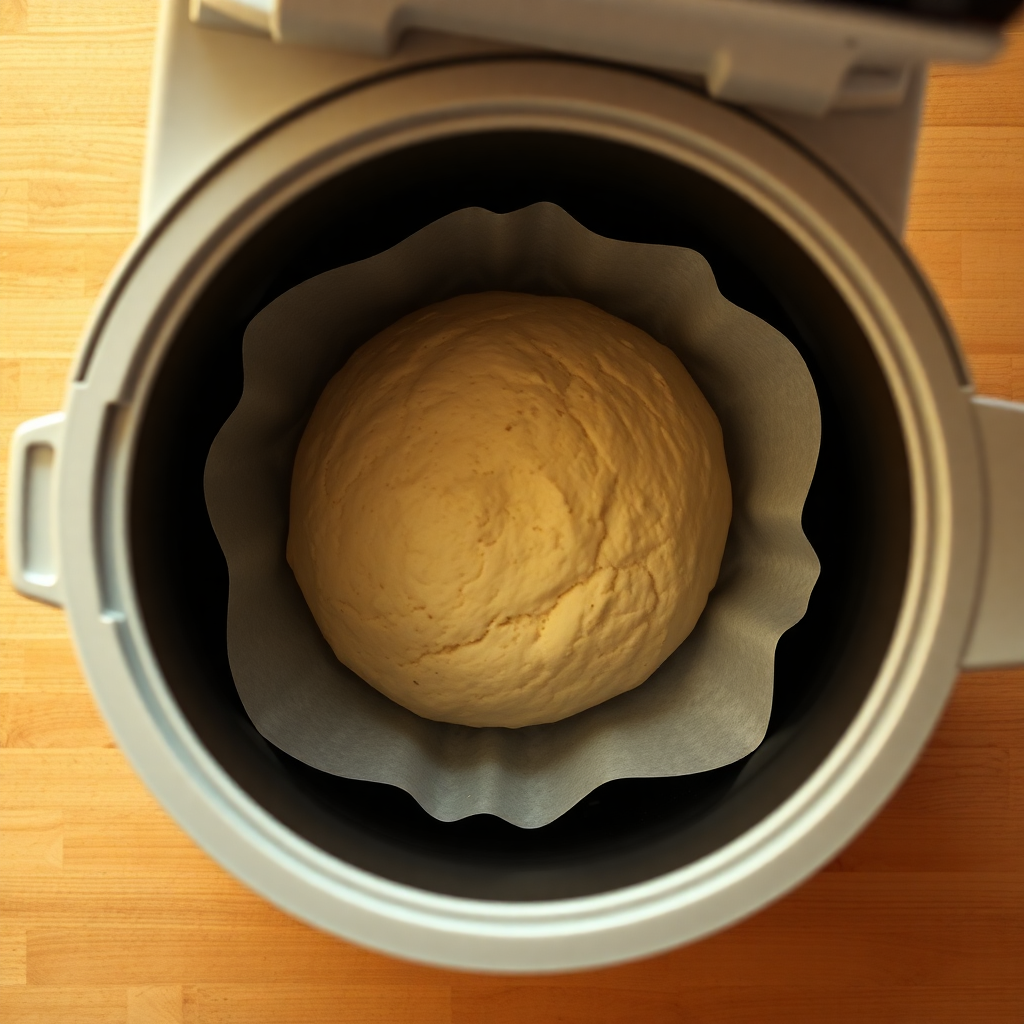
Don’t open the lid during the cycle — temperature and humidity fluctuations will disrupt proofing. Through the viewing window, you can watch the dough transform from a pile of loose flour into a smooth dough ball, gradually expanding to nearly fill the pan, then setting and turning golden during the bake phase. The machine controls temperature and timing automatically throughout.
Step 5: Remove, Cool, and Slice
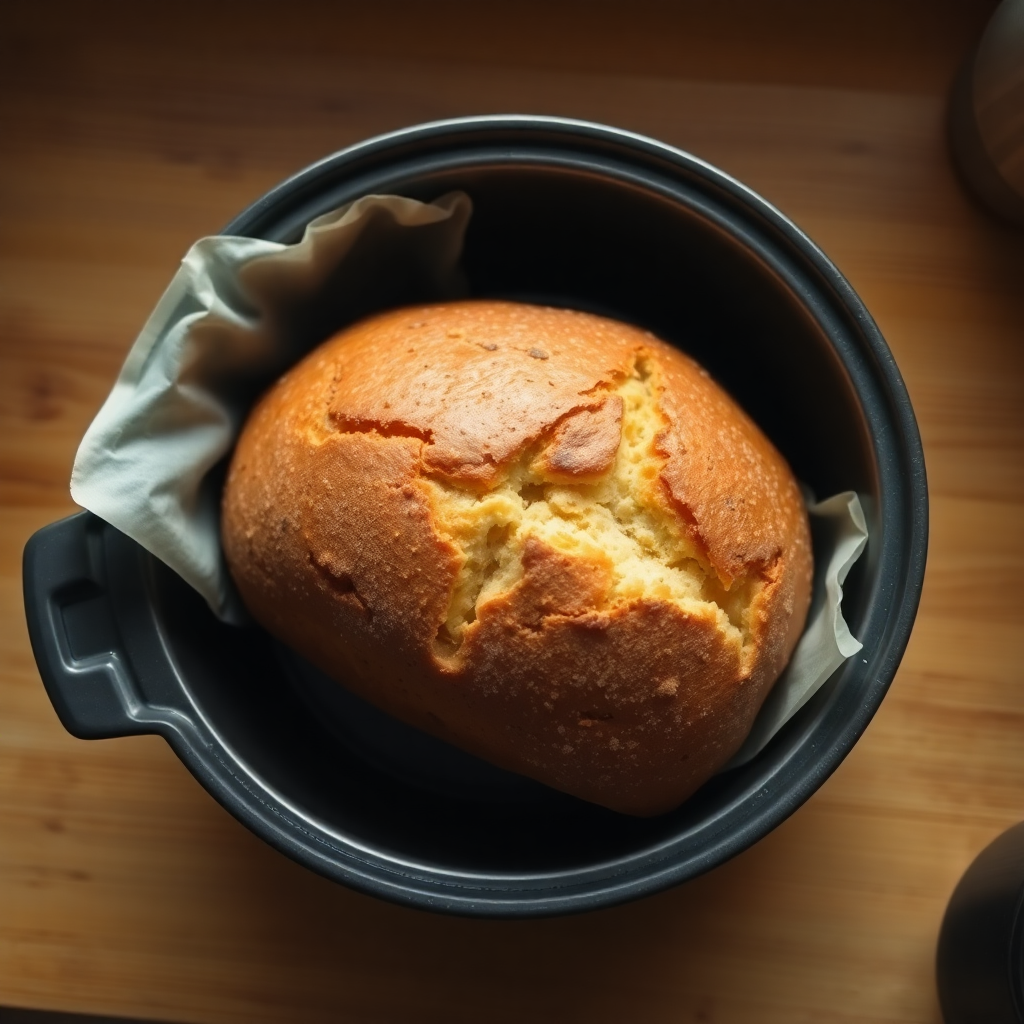
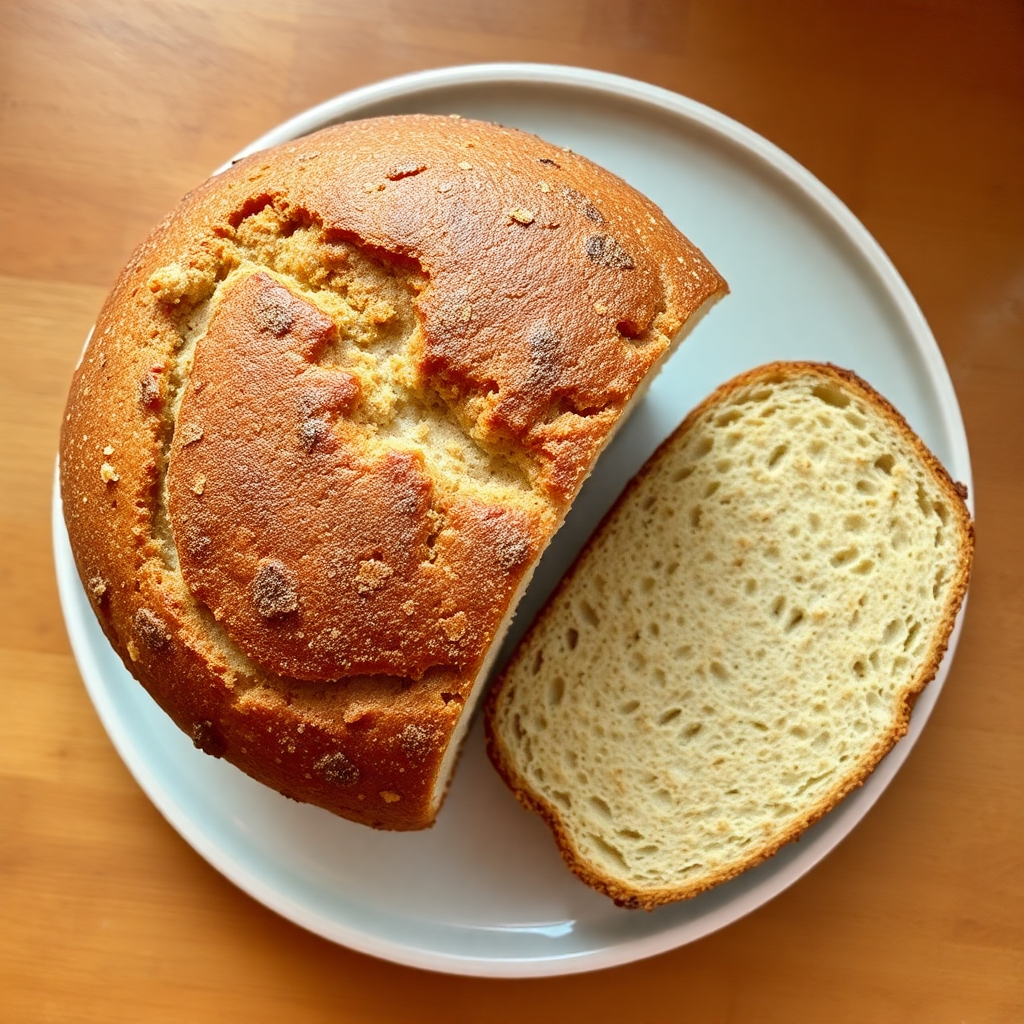
When the cycle ends, immediately use oven mitts to remove the pan. Invert to release the loaf — if it sticks, run a silicone spatula around the inside edge. Cool on a wire rack for at least 30 minutes. Once cooled, slice with a serrated knife to reveal the square cross-section and soft white crumb. A perfect white bread slice has uniform small air pockets, springs back when pressed, and doesn’t stick to the knife.
Pro Tips for the Best Results
Ingredient temperature affects proofing. The bread machine’s heating element maintains proofing temperature, but the ingredients’ starting temperature matters too. In winter when the kitchen is cold, use warm water (40°C / 105°F). In summer’s heat, use room temperature or even slightly cool water. The ideal dough temperature is 26–28°C (79–82°F) — too warm and the dough proofs too fast with less flavor; too cool and it proofs slowly and may not rise enough.
Check gluten after kneading. About 15 minutes into the cycle (after kneading, before the first proof), you can quickly open the lid to check: pinch off a small piece of dough and gently stretch it between your fingers. If it forms a thin, translucent membrane without tearing (the windowpane test), the gluten is fully developed and ready for proofing. If it tears immediately, the dough needs more kneading — this is rare in a bread machine but can happen with low-quality flour.
Don’t open the lid. Opening the lid during proofing or baking is the cardinal sin of bread machine bread. During proofing: temperature drops = insufficient proofing = small loaf. During baking: temperature drops = loaf collapses. The bread machine is designed to be a sealed environment. Trust it — except for one quick moisture check during early kneading (see below), keep the lid closed.
Check dough moisture. The one time you should open the lid is 5 minutes into kneading — check the dough’s consistency. It should form a soft, smooth ball that’s tacky but not sticky. If the dough is too dry (crumbling into pieces), add 1 tablespoon of water. If too wet (sticking to the pan walls and not forming a ball), add 1 tablespoon of flour. Different flour brands absorb different amounts of water, so minor adjustments may be needed. After adjusting, the machine continues kneading — no need to restart.
Cool before slicing. This rule matters more for white bread than any other type. Fresh-out-of-the-machine white bread has an internal temperature above 90°C (194°F) — the structure is essentially liquid. Slicing now will collapse it into a gummy mass. Cool at least 30 minutes, preferably 1 hour. Fully cooled white bread slices cleanly, with uniform air pockets and no sticking. Patience is the dividing line between good bread and ruined bread.
Frequently Asked Questions
The top of my loaf sank. What happened?
Top collapse is usually caused by one of two things: ① Over-proofing — the dough expanded beyond the pan’s capacity, then collapsed during baking. Fix: reduce yeast from 2 tsp to 1.5 tsp, or reduce sugar slightly. ② Not removing the bread immediately after baking — the loaf continues “steaming” in the hot pan, causing the top to shrink. Fix: remove and unmold immediately when the cycle ends.
My bread didn’t rise (too short). Why?
Most common cause: dead yeast. Check the expiration date and test with warm water. Other possibilities: water temperature was too high (killed the yeast), salt came into direct contact with the yeast (inhibits activity), or all-purpose flour was used instead of bread flour (insufficient gluten to hold the structure). Ensure: water at 40°C (warm, not hot), yeast on top of flour away from salt, and bread flour.
My bread is too dense (small air pockets). What do I do?
Dense crumb = insufficient proofing or kneading. Bread machines usually knead long enough, so the issue is typically proofing. Possible causes: ① Winter room temperature too low — the machine’s heater can’t keep up with heat loss; ② Not enough yeast. Solutions: ① Move the machine to a warm spot (away from windows and AC vents); ② Increase yeast from 2 tsp to 2.5 tsp.
Can I use this for sandwiches?
Absolutely — this is exactly what bread machine white bread is best for. After cooling, slice to about 1.5cm (½ inch) thickness. Add ham, cheese, and lettuce for a perfect sandwich. Homemade bread makes sandwiches that actually have bread texture and wheat flavor — not “cotton slices.” I recommend making one loaf at a time, slicing it, and freezing in a sealed bag for up to 1 week. Each day, take out what you need and thaw.
More Bread Machine Recipes to Try
If you love bread machine daily bread, try these:
- Bread Machine Whole Wheat Bread — The healthy version of daily bread
- Bread Machine Cinnamon Raisin Bread — Sweet breakfast bread
- Bread Machine Banana Bread — Quick bread option
- Bread Machine Pizza Dough — Friday night pizza
Nutrition Information (Per Slice, ~1/12 Loaf)
| Nutrient | Amount |
|---|---|
| Calories | 140 kcal |
| Protein | 4 g |
| Fat | 3 g |
| Carbohydrates | 25 g |
| Sugar | 2 g |
| Dietary Fiber | 1 g |
| Sodium | 290 mg |
_Data source: USDA FoodData Central. Values are approximate._