Bread Machine Whole Wheat Bread
If you want to switch from white bread to whole wheat for better health, but supermarket whole wheat is either dry as cardboard or loaded with additives — bread machine whole wheat bread is the solution. Real whole grain flavor, naturally sweetened with honey, and baked fresh in your own kitchen.
This isn’t “dyed white bread” — many commercial whole wheat breads are primarily white flour with caramel coloring. Every slice contains the complete wheat berry: bran, germ, and endosperm. The fiber, protein, and B vitamins are all intact. And because you control the ingredients, there are no preservatives, no dough conditioners, no mystery additives.
Why You’ll Love This Recipe
- Real whole wheat bread. 100% whole wheat flour (plus a cup of bread flour for structure) — not white bread disguised with coloring. Every bite delivers complete bran, germ, and endosperm, with all the fiber, protein, and B vitamins nature intended.
- Honey’s natural sweetness. No refined sugar — honey sweetens this loaf, and its floral notes pair perfectly with whole wheat’s nutty character. The sweetness balances the slight bitterness of the bran without being cloying.
- 3.5 hours, one button. Same simplicity as white bread — pour, press, wait. The bread machine’s Whole Wheat cycle automatically adjusts kneading and proofing times for whole grain dough, which needs longer development than white flour.
- 4g fiber per slice. One loaf cut into 12 slices gives you 4g of dietary fiber per slice — four times the fiber of white bread. Two slices a day covers 20%+ of your daily fiber needs.
Ingredients You’ll Need
- 1 cup + 2 tbsp warm water (about 40°C / 105°F)
- 2 cups whole wheat flour
- 1 cup bread flour (improves gluten structure)
- 2 tbsp honey (or granulated sugar)
- 2 tbsp olive oil (or melted butter)
- 1.5 tsp salt
- 2 tsp active dry yeast
- Optional: ¼ cup sunflower seeds, flaxseeds, or rolled oats (for added texture and nutrition)
Why add 1 cup of bread flour?** 100% whole wheat flour produces weak gluten — the bran and germ physically “cut” the gluten strands during kneading. The result is a short, dense, heavy loaf. Adding 1 cup of bread flour (one-third of the total flour) provides extra gluten strength, giving the bread better volume and a lighter texture. It’s a compromise — slightly less “100% whole wheat purity” in exchange for significantly better eating quality.
How to Make Bread Machine Whole Wheat Bread
Step 1: Add All Ingredients to the Pan
Follow your bread machine’s ingredient order. Pour in the warm water and olive oil first, then add the honey (it’s thick — use a spoon to push it into the liquid). Add the whole wheat flour and bread flour. Make a well in the flour for the yeast, and place the salt in a corner.
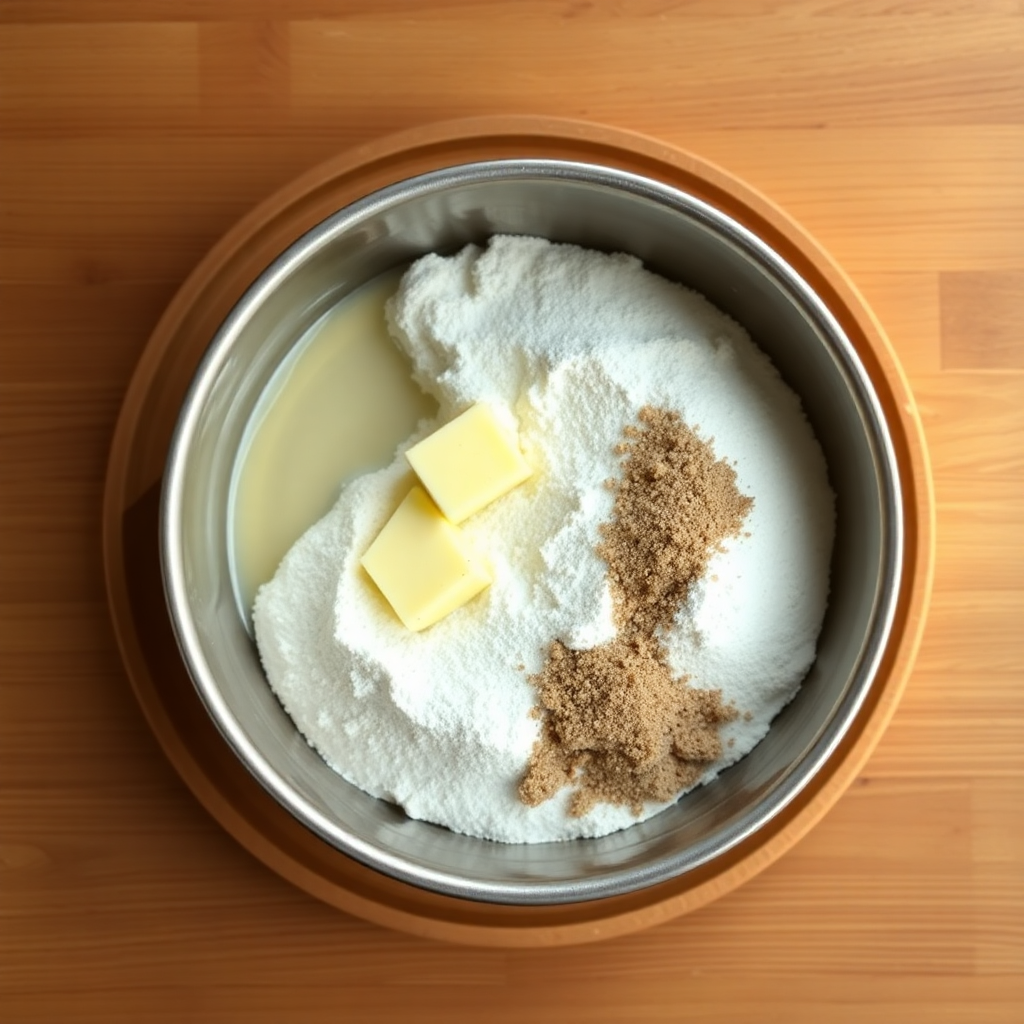
Step 2: Insert Pan into the Machine
Lock the pan into place. Check that the kneading paddle is secure. If adding seeds or oats, wait for the add-in beep during the kneading cycle (same as cinnamon raisin bread — seeds added too early will be crushed by the paddle).
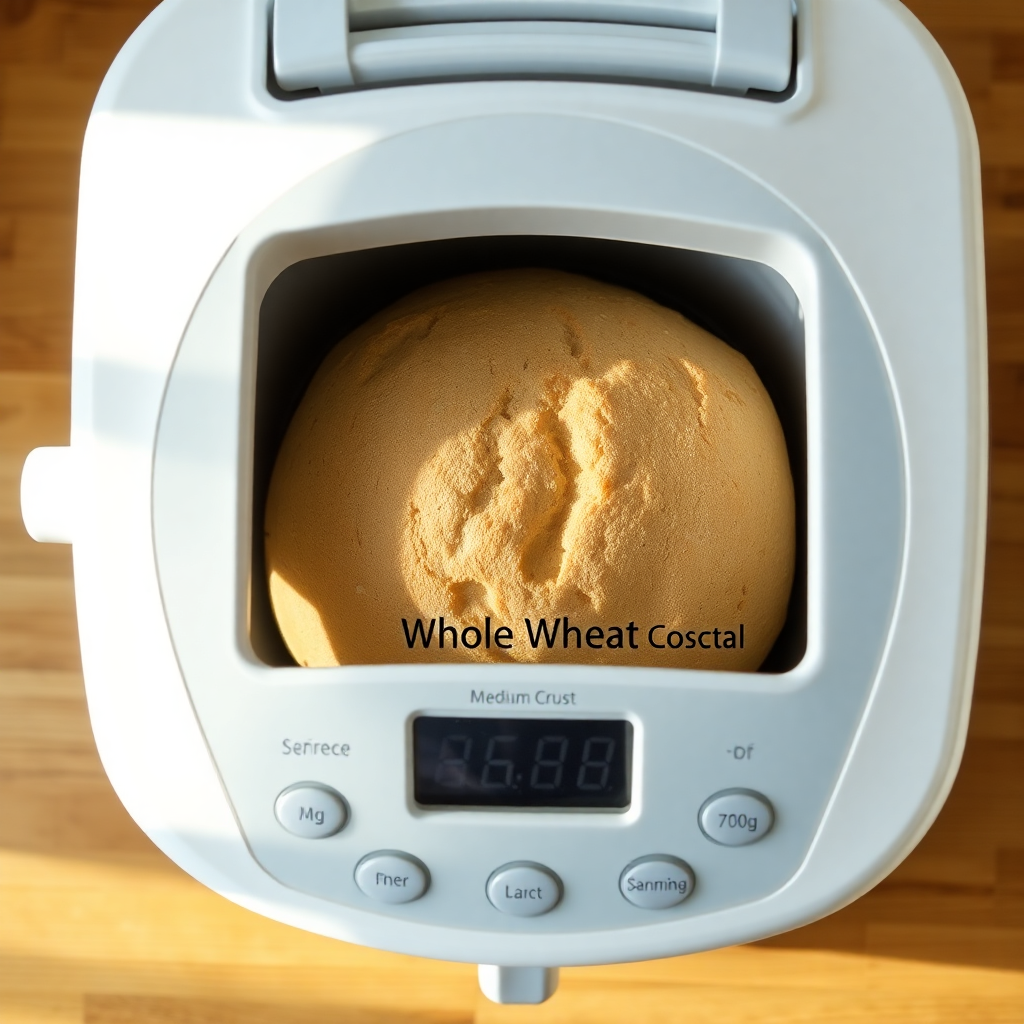
Step 3: Select the Whole Wheat Cycle
Choose the “Whole Wheat” cycle. This cycle has longer kneading time (whole wheat dough needs more kneading to develop gluten) and higher proofing temperature (the bran in whole wheat inhibits yeast activity, requiring a warmer environment). The cycle typically runs about 3.5 hours. Set weight to 2 pounds and crust to “Medium.” Press start.
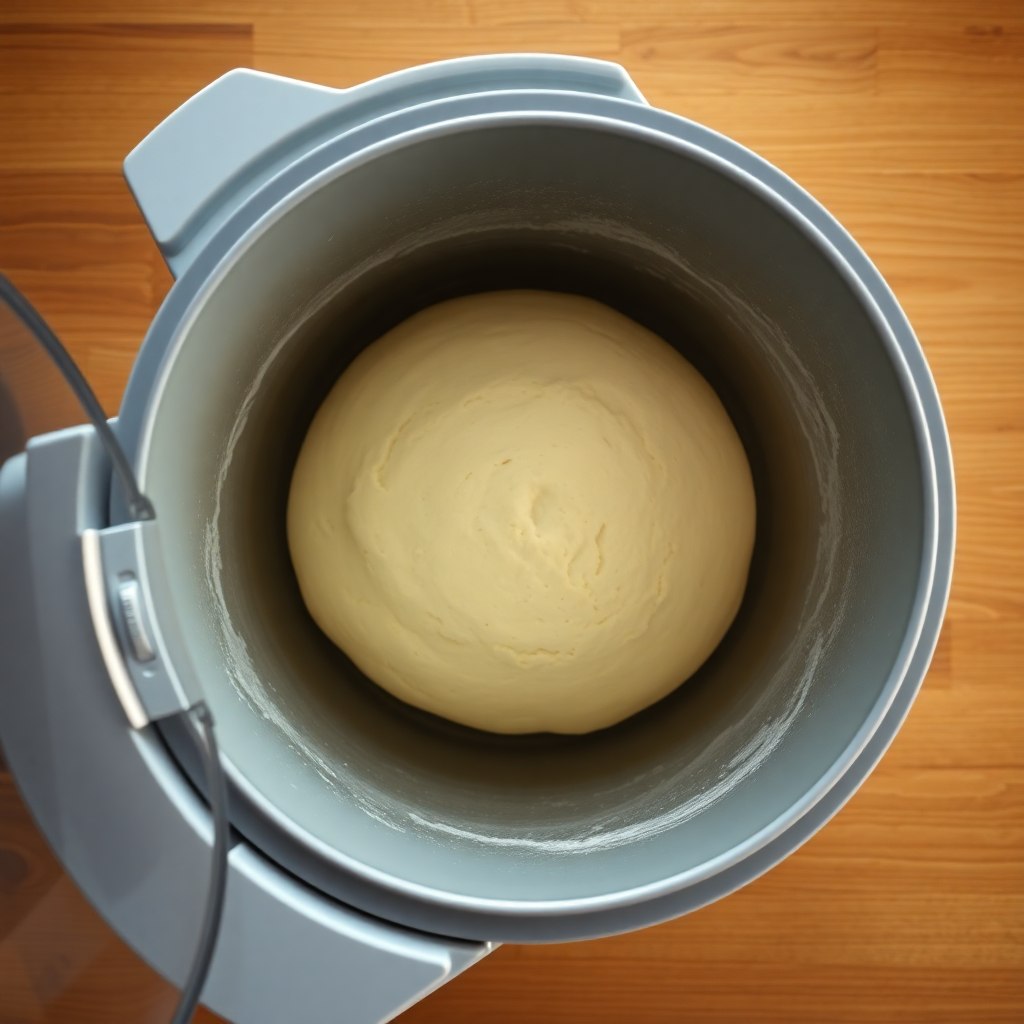
Step 4: Let the Machine Work
Don’t open the lid during the cycle. Whole wheat dough looks brown and rougher than white dough during kneading — this is normal. During proofing, the dough will expand, but not as much as white dough — this is also normal. Whole wheat bread naturally has less volume than white bread. During baking, the crust will turn a deep golden brown.
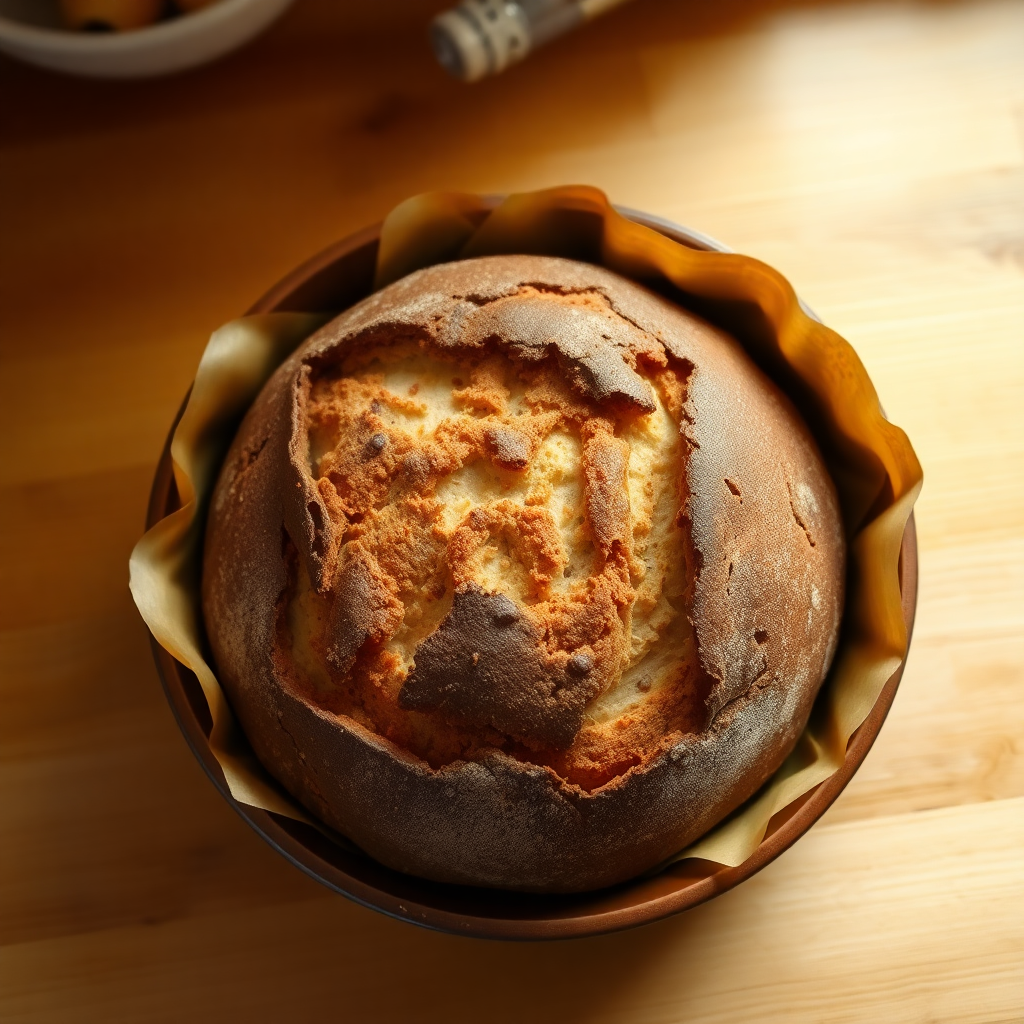
Step 5: Remove, Cool, and Slice
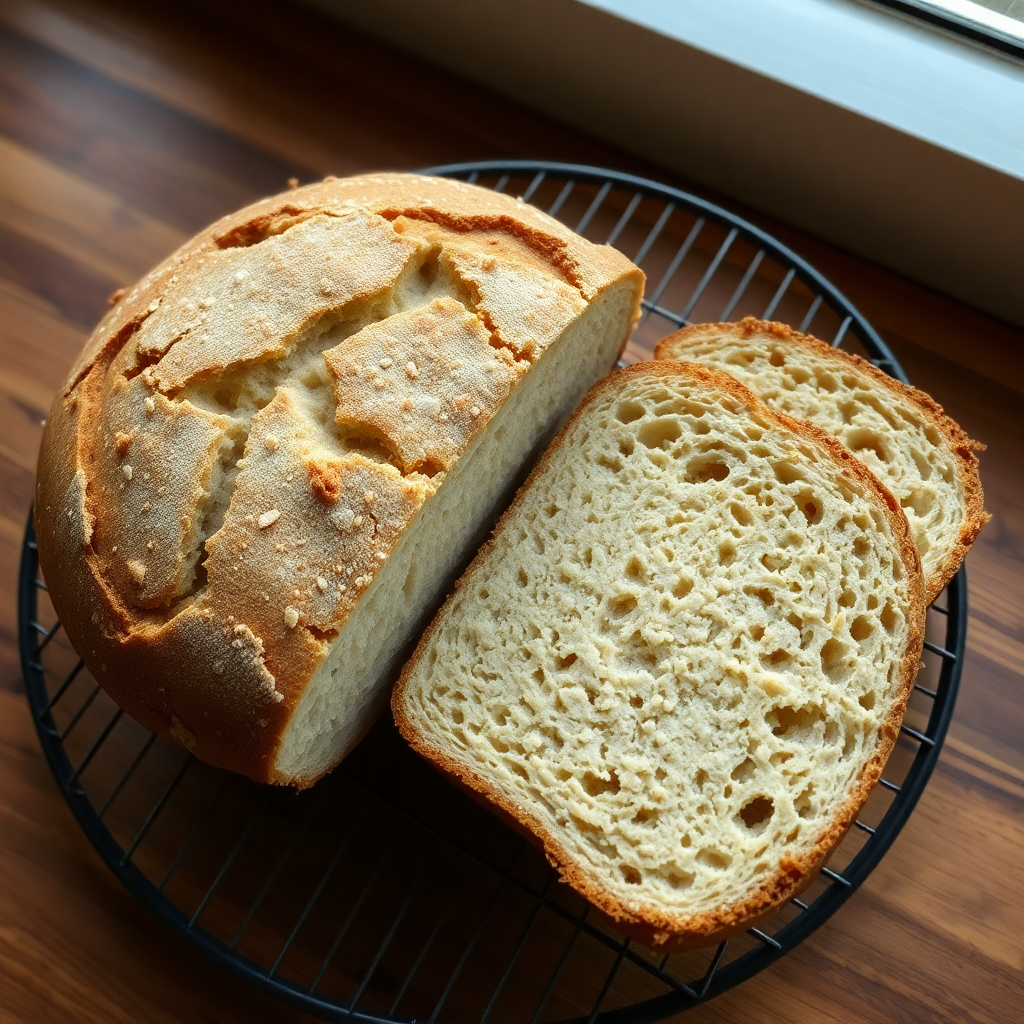
When the cycle ends, immediately remove the pan and unmold the loaf. Cool for at least 30 minutes — whole wheat bread has more fiber and is more prone to crumbling when hot. Once cooled, slice with a serrated knife to reveal the dense, brown crumb and evenly distributed seeds (if using). Perfect whole wheat bread has a tight but not brick-like crumb, slight springiness, and a warm brown color.
Pro Tips for the Best Results
Whole wheat bread is shorter than white bread — that’s normal. Don’t expect whole wheat loaves to match the height of white bread. The bran in whole wheat flour cuts through gluten strands, limiting how much the dough can expand. Whole wheat loaves typically reach 70–80% of the volume of white bread. This isn’t a failure — it’s the physical reality of whole grain. If you want a taller loaf, increase the bread flour ratio (2 cups whole wheat + 1.5 cups bread flour).
You must use the Whole Wheat cycle. Whole wheat dough requires different handling than white dough: ① longer kneading (whole wheat gluten is harder to develop); ② higher proofing temperature (bran inhibits yeast); ③ longer proofing time (whole wheat dough rises more slowly). The Whole Wheat cycle automatically adjusts these parameters. Using the Basic cycle for whole wheat produces a short, dense brick.
Honey is better than sugar. Honey isn’t just a sweetener — it contains enzymes and minerals that actually help yeast fermentation. And honey’s floral sweetness pairs better with whole wheat’s nutty character. Note: honey contains more water than granulated sugar, so when substituting, reduce other liquids by 1 tablespoon for every 2 tablespoons of honey.
Keep whole wheat flour fresh. Whole wheat flour contains the wheat germ, and the germ’s oils can oxidize and go rancid. Check the expiration date when buying. After opening, store in a sealed container in the refrigerator — not at room temperature. Rancid whole wheat flour smells bitter or painty and will ruin the bread. Fresh whole wheat flour has a mild, pleasant nutty aroma.
Vitamin C is the secret weapon. Vitamin C (ascorbic acid) strengthens gluten networks. Adding ¼ of a crushed vitamin C tablet (about 50mg) to whole wheat dough can increase loaf volume by 10–15%. This is a standard technique in commercial bakeries. You don’t need it every time, but if your whole wheat loaves consistently come out short, give it a try.
Frequently Asked Questions
Can I use 100% whole wheat flour?
Yes, but the bread will be shorter and denser. If you insist on 100% whole wheat, make these adjustments: ① add 2 tablespoons extra water (whole wheat absorbs more); ② add ½ teaspoon extra yeast; ③ add ¼ tablet of vitamin C to strengthen gluten. Even with these adjustments, 100% whole wheat bread will have less volume than the blended version — that’s the physical limit of whole grain.
My whole wheat bread is too dense. What do I do?
Some density is normal — whole wheat has high fiber and weak gluten. But “too dense” (brick-like when sliced) usually means insufficient proofing. Solutions: ① Ensure you’re using the Whole Wheat cycle (longer proofing time); ② Check yeast activity; ③ Use 40°C (105°F) water to help fermentation; ④ In winter, move the machine to a warm spot. The ideal whole wheat texture is “dense but springy” — it presses in and slowly springs back, not hard as a rock.
Can I use all-purpose flour instead of bread flour?
Not recommended. All-purpose flour has 10–12% protein — weaker gluten. Whole wheat flour already has weak gluten, and mixing it with all-purpose makes the total gluten strength too low. The bread will be short and dense. Bread flour (12–14% protein) is the “gluten supplement” that whole wheat needs. If all-purpose is all you have, add 1 teaspoon of vital wheat gluten to compensate.
Can I freeze whole wheat bread?
Yes, and I recommend it. Whole wheat flour contains germ oil, which goes rancid faster at room temperature than white flour. Slice the loaf, wrap each slice individually in plastic wrap, and freeze in a sealed bag for up to 1 month. To eat, take out the slices you need and microwave for 20 seconds, or put them straight in the toaster. Toasting from frozen works best — the outside gets crisp while the inside stays soft.
More Bread Machine Recipes to Try
If you love healthy bread machine baking, try these:
- Bread Machine White Bread — The lighter version of daily bread
- Bread Machine Banana Bread — Sweet quick bread
- Bread Machine Cinnamon Raisin Bread — Breakfast sweet bread
- Bread Machine Pizza Dough — Whole wheat pizza crust
Nutrition Information (Per Slice, ~1/12 Loaf)
| Nutrient | Amount |
|---|---|
| Calories | 130 kcal |
| Protein | 5 g |
| Fat | 3 g |
| Carbohydrates | 23 g |
| Dietary Fiber | 4 g |
| Sugar | 2 g |
| Sodium | 290 mg |
_Data source: USDA FoodData Central. Values are approximate._